
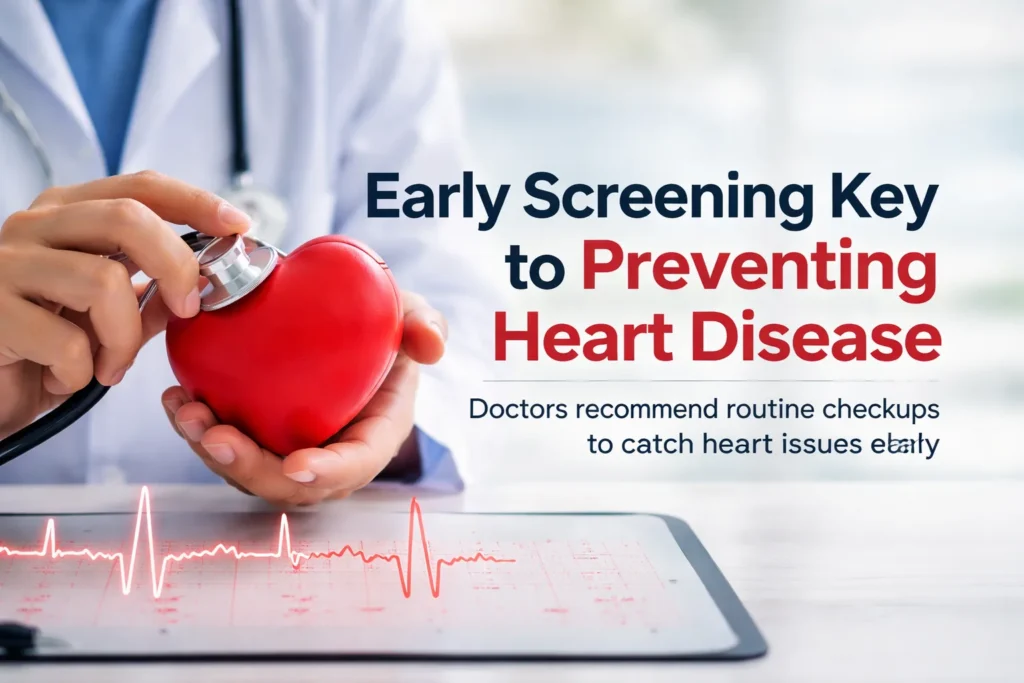

Part 1: The Unseen Crisis in Our Chests
Imagine, for a moment, the human heart not as the simple valentine shape we doodle as children, but as the most sophisticated, relentless, and vital engine ever created. It is a fist-sized muscle that beats approximately 100,000 times each day, pumps 2,000 gallons of blood through 60,000 miles of vasculature, and performs this unimaginable workload without a single conscious command from you. This biological marvel begins its rhythmic labor just a few weeks after conception and, if we are fortunate, continues uninterrupted for eight, nine, or even ten decades.
Now, visualize this extraordinary engine quietly developing microscopic cracks, silent rust, and subtle inefficiencies not in its final decades of service, but in its prime. Picture this degradation starting stealthily in people who feel perfectly healthy—individuals in their twenties and thirties who are climbing career ladders, raising young families, training for marathons, and believing themselves to be at the peak of physical vitality. This is not a scene from speculative fiction; it is the startling, evidence-based reality of modern heart health that cardiologists are confronting daily in hospitals and clinics worldwide.
The traditional narrative of heart disease as an affliction of the elderly has irrevocably shattered. In its place, a more complex and urgent story is emerging—one where cardiovascular risk begins its silent ascent much earlier than previously understood, where gender creates a profound and puzzling disparity, and where geographical location can determine cardiac destiny. This is the story of a generation whose hearts are aging faster than their years, and of the medical community racing to understand why.
I recently sat down with Dr. Anika Sharma, a cardiologist with fifteen years of frontline experience in a major urban hospital. Her observation was blunt and unsettling. “When I completed my fellowship,” she recounted, stirring her tea slowly, “a patient under fifty with significant coronary artery disease was a teaching case. We would present their angiography in a conference, discussing the unusual presentation. Today, it is tragically routine. I now see multiple patients under forty every single month with serious, often multi-vessel disease. Just last week, I catheterized a 33-year-old software engineer—a marathoner, no less—and found a 90% blockage in his left anterior descending artery. His only symptom was a vague, intermittent tightness he attributed to stress and poor posture from long hours at his desk.”
Dr. Sharma’s experience is not an outlier; it is a data point in a terrifying trend. Hospital admission records, national health surveys, and insurance claim databases all tell the same converging story: the demographic profile of cardiac disease is undergoing a seismic shift downward. What was once “premature” heart disease is becoming unsettlingly common. Public health experts have begun to label this phenomenon “the great age paradox”—a era where miraculous medical advancements allow octogenarians to survive and thrive after cardiac events, while a growing cohort of young adults is experiencing first heart attacks and strokes during what should be their most productive years.
This introductory section lays bare the core contradiction of our time: we possess more knowledge about cardiovascular health than any previous generation, yet we are witnessing a paradoxical rise in early-onset disease. The following chapters will dissect this paradox, exploring the critical age when risk diverges, the gender gap that confounds researchers, the lifestyle and environmental factors fueling this silent epidemic, and most importantly, the actionable strategies that can rewrite an individual’s cardiac future. This is a story about the most personal of organs, set against the backdrop of our modern world—a tale of biology, behavior, and the systems we must transform to protect the steady beat at the center of every life.
Part 2: The Pivotal Decade – Demystifying the Age When Heart Risk Truly Begins
For the better part of a century, medical textbooks and public health advisories have presented cardiovascular risk as a straightforward, linear graph: risk increases steadily with each passing year. This model was comforting in its simplicity, suggesting that young adults had little to worry about and that middle age was the appropriate time to begin vigilance. Groundbreaking longitudinal research has now completely upended this comforting fiction, revealing a far more precise—and for some, alarming—timeline of vulnerability.
The revelation came from one of the most comprehensive studies of its kind, published in the Journal of the American Heart Association. Researchers meticulously tracked over 5,100 adults from young adulthood through middle age, following them for more than three decades. By collecting detailed health metrics, lifestyle data, and clinical outcomes at regular intervals, they were able to map the trajectory of cardiovascular risk with unprecedented granularity. What they discovered was not a smooth slope, but a distinct hinge point—a biological crossroads where paths dramatically diverge.
The 35-Year-Old Crossroads: The data revealed a period of remarkable convergence up until approximately age 35. During their twenties and early thirties, men and women, on a population level, exhibited strikingly similar cardiovascular risk profiles. Their rates of hypertension, dyslipidemia, and early metabolic dysfunction were comparable. Then, as if crossing an invisible threshold, the trajectories split. Beginning around the mid-thirties, men’s aggregate risk for cardiovascular disease began to accelerate at a significantly steeper rate than women’s. This divergence was not marginal; it created a gap that widened inexorably through the following decades.
Quantifying the Gap: The study translated this divergence into hard numbers that shocked the medical community. It found that the average man reaches a 5% cumulative risk of a major cardiovascular event (such as a heart attack or stroke) at the age of 50.5. The average woman does not reach this same level of risk until age 57.5—a difference of seven full years. This means a 50-year-old man walks through life with the same statistical heart risk as a 57-year-old woman. When the researchers isolated coronary heart disease—the plaque buildup that leads directly to heart attacks—the gap was even more stark. Men attained a 2% incidence rate of this condition more than a decade earlier than women.
The Mystery of the Persistent Gap: Perhaps the most perplexing finding was that this divergence could not be fully explained by the traditional risk factors clinicians have focused on for decades. While it is true that men historically had higher rates of smoking, hypertension, and uncontrolled cholesterol, these behavioral and clinical gaps have narrowed considerably. Women now smoke at similar rates, and disparities in the management of blood pressure and lipids have lessened. Yet, the seven-year risk gap persists almost unchanged. This stubborn disparity points scientists toward more complex etiologies, suggesting that biological sex differences—perhaps in vascular biology, inflammatory responses, or hormonal interactions—play a far more significant role than previously appreciated.
This pivotal research does more than just redefine a timeline; it redefines the window of opportunity. If risk meaningfully accelerates in the mid-thirties for men, then the critical period for intervention is not middle age, but young adulthood. The decade of the twenties and early thirties transforms from a period of presumed immunity to a crucial foundation-laying phase. It represents the last, best chance to establish the physiological resilience that will determine cardiac health for the next fifty years. This paradigm shift places immense importance on primary care visits at 25, cholesterol screenings at 30, and lifestyle habits formed at 22. The clock, it turns out, starts ticking much earlier than the alarm goes off.
Part 3: The Perfect Storm – Why Young Men Are Uniquely Vulnerable and Often Unaware
The discovery of an accelerated risk timeline for men would be concerning under any circumstance, but it becomes a full-blown crisis when viewed alongside another robust set of data: young men’s profound disengagement from preventive healthcare. This creates a dangerous synergy—a perfect storm where biological vulnerability collides with behavioral avoidance, leaving a massive portion of the population silently progressing toward preventable disease.
The Preventive Care Chasm: Statistical evidence of this disengagement is overwhelming. Studies consistently show that women of reproductive age are over four times more likely than their male peers to have a consistent relationship with a primary care provider and to have attended a preventive medical visit within the past year. This disparity is largely structurally engineered. The healthcare system provides natural, socially sanctioned entry points for young women: annual gynecological exams, contraceptive management, and prenatal care. For young men, no analogous routine exists. Their first encounter with the medical system since a childhood sports physical might be an emergency room visit for an injury or, tragically, for the symptoms of a heart attack.
The Culture of Invincibility: This structural gap is powerfully reinforced by psychosocial factors. Developmental psychology identifies a common cognitive bias in young adulthood known as the “personal fable”—a belief in one’s own uniqueness and invulnerability. In young men, this normal developmental phase is often amplified by cultural narratives that equate masculinity with stoicism, self-reliance, and physical toughness. Acknowledging vulnerability by seeking a doctor for an asymptomatic check-up can feel, on a subconscious level, like a violation of this script. “I’m fine,” becomes not just an assessment, but an identity.
Symptom Dismissal and Atypical Presentation: Even when the body sends signals, they are often ignored or misinterpreted. A 2022 study in the Annals of Emergency Medicine found that men under 45 took an average of 16 hours longer than women of the same age to present to the emergency department after the onset of heart attack symptoms. The reasons are multifaceted. Young men are more likely to attribute chest discomfort to indigestion, muscle strain, or anxiety. Furthermore, heart attacks in the young can present atypically—less “Hollywood heart attack” with crushing chest pain, and more often with severe fatigue, jaw or back pain, nausea, or simply a feeling of profound unease. These subtler signals are easier to rationalize away.
A System Not Designed for Them: The healthcare environment itself can be a deterrent. Clinic hours often conflict with standard work schedules. Waiting rooms filled with magazines and decor that don’t resonate with a young male demographic can feel alienating. Communication styles of some providers may not effectively engage them. Dr. Marcus Chen, who directs a men’s health initiative at a large academic center, frames the challenge clearly: “We cannot scold or shame men into the clinic. We need to innovate. That means workplace-integrated screenings, digital health tools that use gaming elements or track fitness metrics they already care about, and messaging that frames heart health not as ‘disease prevention’ but as ‘performance optimization’—for their careers, their sex lives, their time with their kids.”
The Economic and Social Ripple Effects: The consequences of this blind spot extend far beyond individual health. A cardiovascular event in a man in his forties or fifties is a profound economic shock. It can mean decades of reduced earning potential, disability, and staggering healthcare costs, shifting a family from financial stability to precarity. From a societal perspective, losing a primary breadwinner or a skilled worker to disability represents a significant drain on productivity and community capital. The insurance industry is already responding; life insurance premiums for men in their thirties and forties are beginning to reflect this increased actuarial risk. The price of avoidance, it turns out, is paid not just in hospital bills, but in lifelong financial and social capital.
Addressing the young male heart health crisis therefore requires a dual strategy: first, a public health campaign to rebrand preventive care as an act of strength and responsibility, and second, a systemic redesign to make engaging with healthcare accessible, non-judgmental, and relevant to the lives of young men. The goal is to bridge the chasm before the first symptom appears, turning a silent progression into a managed journey.
Part 4: A Generation at Risk – The Sobering Statistical Portrait of Young Adult Health
While the gender gap presents a stark and specific narrative, the deterioration of cardiovascular health is a broad-based phenomenon affecting an entire generation. To understand the full scope of the crisis, one must look beyond individual stories to population-level data. National health surveys paint a sobering statistical portrait of young adulthood in the 21st century, revealing trends that cut across gender lines and point to deep-rooted environmental and lifestyle drivers.
The following table synthesizes data from the National Health and Nutrition Examination Survey (NHANES) and studies by the National Heart, Lung, and Blood Institute (NHLBI), tracking key cardiovascular risk factors among adults aged 20-44 over a recent decade:
| Risk Factor | Prevalence (2009-2010) | Prevalence (2019-2020) | Percentage Change | Clinical & Societal Implications |
|---|---|---|---|---|
| Obesity (BMI ≥30) | 32.7% | 40.9% | +25.1% Increase | Nearly half of young adults now enter middle age with obesity, a primary driver of insulin resistance, hypertension, and systemic inflammation that directly damages arteries. |
| Diagnosed Diabetes | 3.0% | 4.1% | +36.7% Increase | Type 2 diabetes, once rightly called “adult-onset,” is now a disease of young adulthood, imposing a decades-long burden of microvascular and macrovascular damage. |
| Hypertension | ~9.0% | ~12.0% | +33.3% Increase | High blood pressure, the “silent killer,” is no longer rare in this age group, causing relentless strain on the heart and blood vessels often without a single symptom. |
| Elevated Cholesterol | 40.5% | 36.1% | -10.9% Decrease | A rare bright spot, likely due to public awareness, dietary shifts away from trans fats, and increased appropriate use of statins in high-risk individuals. |
These are not abstract percentages; they translate into a profound human and economic burden. Extrapolated across the U.S. population, these numbers mean that approximately one in five patients treated for heart disease is now under the age of 40, a proportion that has doubled in the last twenty years.
The Drivers of the Downturn: Several interconnected forces are fueling this negative trend:
- The Nutritional Environment: We live in a food landscape dominated by ultra-processed foods—engineered to be hyper-palatable, high in refined carbohydrates, unhealthy fats, and salt, while low in fiber and protective nutrients. These foods promote overconsumption, weight gain, and metabolic dysfunction.
- The Sedentary Transformation: The digital revolution has engineered physical activity out of daily life for many. Work is increasingly desk-based, entertainment is screen-based, and commuting often involves sitting. The World Health Organization’s recommendation of 150 minutes of moderate activity per week is unmet by a majority of adults.
- Chronic Stress and Sleep Deprivation: The “always-on” economy, financial pressures (especially from student debt and housing costs), and social media comparisons create unprecedented levels of chronic psychological stress. This elevates cortisol and adrenaline, which increase blood pressure and promote inflammatory pathways. Compounding this is widespread sleep deprivation, which disrupts hormones that regulate appetite and stress recovery.
- Environmental Toxins: Emerging research points to the potential cardiovascular harms of environmental pollutants like fine particulate matter (PM2.5) in air pollution, certain plastics, and heavy metals, which may contribute to endothelial dysfunction and inflammation.
The Ripple Effects Through Society: The impact of failing young hearts extends beyond hospital walls:
- Economic: The American Heart Association estimates the total annual cost of cardiovascular disease in the U.S. at over $350 billion. A growing share of this is now attributable to managing chronic conditions and disability in younger, working-age adults.
- Military & Public Safety: The Department of Defense has noted with concern the rising rates of cardiovascular risk factors among recruits and active-duty personnel, potentially affecting operational readiness. Similarly, police and fire departments face challenges with early cardiac disability.
- Intergenerational: A young parent managing a chronic heart condition may have less physical and emotional energy for their children, potentially affecting family dynamics and passing on both genetic and behavioral risk factors to the next generation.
This statistical portrait makes one fact undeniable: we are not facing a simple medical problem, but a societal one. The environment we have built—from our food systems to our work cultures to our built environments—is fundamentally at odds with human cardiovascular health. Reversing these trends will require more than prescribing pills; it will require reimagining the default settings of modern life.
Part 5: The Geography of Risk – The Growing Rural-Urban Heart Health Divide
Cardiovascular destiny in America is increasingly written by zip code. While the previous sections outlined demographic and behavioral risk patterns, a parallel and equally disturbing trend is the dramatic geographic divergence in heart health outcomes. Over the past decade, a profound and widening chasm has opened between rural and urban America—a disparity so stark that researchers now speak of “the two cardiovascular nations.”
The Data Behind the Divide: Research presented at the American Heart Association’s Scientific Sessions provided a quantitative snapshot of this growing crisis. Analyzing data from 2010 to 2022, researchers found that cardiovascular death rates among adults aged 25-64 increased by approximately 21% in rural counties. This trend moved in the opposite direction in urban areas for older adults, where mortality rates for those 65 and older actually declined by about 9%. The COVID-19 pandemic acted as an accelerant on existing fissures; in the years following its onset, the increase in cardiovascular deaths was significantly steeper in rural communities compared to urban ones across all age groups.
Deconstructing the Disparity: Why Place Matters for Your Heart
The rural-urban gap is not the result of a single factor, but a toxic synergy of several:
- The Collapse of Rural Healthcare Infrastructure: Rural communities face what experts term “the three D’s”: Distance, Depletion, and Disconnection. Patients often live dozens of miles from the nearest primary care clinic, let alone a cardiologist or a hospital with a cardiac catheterization lab. This distance is compounded by a depletion of resources: rural hospital closures have reached epidemic proportions, creating “cardiac care deserts.” There is also a critical shortage of physicians, with specialist care often completely absent. This infrastructure frailty means delays in diagnosis, interruption in chronic care management, and longer times to reach life-saving intervention during an acute event like a heart attack.
- Concentrated Risk Factors: The burden of modifiable risk factors is disproportionately heavier in rural populations. CDC reports consistently show higher prevalence rates of obesity, Type 2 diabetes, and tobacco use in rural counties. These disparities are linked to socioeconomic factors like higher poverty rates and lower educational attainment, but also to the “food environment.” Rural areas often have limited access to fresh produce (so-called “food deserts”) while being saturated with convenience stores offering cheap, calorie-dense, processed foods.
- Occupational and Environmental Exposures: Rural economies are frequently tied to agriculture, mining, and manufacturing—industries that can involve exposures to dust, chemicals, and irregular shift work, all of which have been linked to increased cardiovascular stress. Furthermore, well water in some regions may have different mineral compositions affecting blood pressure.
- Cultural and Behavioral Nuances: Rural culture often places a high value on self-reliance, stoicism, and privacy. This can translate to a “tough it out” attitude toward symptoms and a reluctance to seek help until a crisis occurs. There may also be deeper distrust of external institutions, including the medical establishment, which can hinder preventive care engagement.
The Urban Paradox: It is crucial to note that urban advantage is not universal. Within cities, stark inequalities mirror the rural-urban divide. Low-income, predominantly minority neighborhoods often have cardiovascular mortality rates that rival or exceed rural averages. These communities grapple with their own set of challenges: environmental stressors like noise and air pollution, the psychological toll of neighborhood violence, “food swamps” overflowing with unhealthy options, and parks that may be unsafe for recreation.
Bridging the Geographic Gap: Solutions must be as layered as the problem:
- Policy & Investment: Sustained federal and state investment is needed to stabilize rural hospitals, expand broadband for telehealth services (a lifeline for specialist consultation), and create loan forgiveness programs to attract providers to underserved areas.
- Innovative Care Models: Mobile health units that bring screenings and basic care to remote communities, community paramedicine programs where EMS personnel provide follow-up care, and pharmacist-led management of hypertension and cholesterol are all promising models.
- Community-Based Partnerships: Successful interventions often work with communities, not on them. Examples include faith-based wellness initiatives, farmers’ market voucher programs for SNAP recipients, and training local community health workers as trusted liaisons to the medical system.
- Urban Health Equity Initiatives: In cities, focused investment in green spaces, walkable infrastructure, violence prevention, and economic development in marginalized neighborhoods is essential public health work.
The geography of heart disease tells a story of inequality, but also one of targeted opportunity. It forces us to recognize that health is created not just in clinics, but in communities. Protecting the hearts of all citizens requires building environments—both rural and urban—where the healthy choice is not a heroic individual act, but the accessible, affordable, and default path.
Part 6: Your Personal Defense Plan – A Lifelong, Actionable Strategy
Knowledge of risk is only powerful if it leads to action. This section provides a decade-by-decade, actionable blueprint for building and maintaining a resilient cardiovascular system. It moves beyond generic advice (“eat well, exercise”) to provide specific, evidence-based strategies tailored to the physiological and lifestyle challenges of each life stage.
The 20s: The Architectural Decade
This is the period for laying an unshakable foundation. Habits formed here often solidify for life.
- Establish Your Baselines: Even if you feel invincible, get your numbers checked. Before age 25, aim for a baseline reading of: Blood Pressure (target <120/80 mmHg), Fasting Lipid Panel (pay attention not just to total cholesterol, but to LDL-C and the often-ignored lipoprotein(a)), and Fasting Blood Glucose (<100 mg/dL). This creates your personal “factory setting.”
- Build Habit Infrastructure: Focus on consistency over intensity.
- Movement: Integrate activity into daily life—walking/biking for transport, taking stairs, doing bodyweight exercises while watching TV. Aim to make movement a non-negotiable part of your day, not a chore you schedule.
- Nutrition: Learn 5-10 simple, healthy recipes you enjoy. Master the skill of cooking with whole foods. Understand what a balanced plate looks like (½ vegetables, ¼ lean protein, ¼ whole grains).
- Sleep & Stress: Experiment to find your optimal sleep routine. Develop a stress-management toolkit that works for you—whether it’s mindfulness, journaling, team sports, or creative hobbies. Avoid using alcohol as a primary stress reliever.
- Conduct Your Genetic Reconnaissance: Have explicit, detailed conversations with parents and grandparents. Ask: “Has anyone had a heart attack, stroke, stent, or bypass surgery? At what age? Was there any sudden, unexplained death?” This family history is one of your most powerful risk indicators.
The 30s: The Course-Correction Decade
Metabolism begins its natural slowdown, and life stressors (career, young children, mortgages) often peak. This is the time for vigilant maintenance and subtle recalibration.
- Formalize Your Risk Assessment: Establish a relationship with a primary care provider. Use the American Heart Association’s PREVENT equations, which calculate your 10- and 30-year risk of cardiovascular events starting at age 30, providing a more personalized and long-term view than older models.
- Shift from Weight to Composition: The scale becomes less informative. Focus on waist circumference (keep it under 40 inches for men, 35 for women) and preserving lean muscle mass through resistance training 2-3 times per week. Muscle is metabolically active tissue that burns calories and improves insulin sensitivity.
- Become a Sleep Sentinel: Sleep quality often degrades in this decade due to stress and responsibilities. Prioritize it fiercely. Chronic sleep deprivation (<7 hours per night) disrupts ghrelin/leptin (hunger hormones), increases cortisol, and is an independent risk factor for hypertension.
- Audit Your Stress Load: This is often the highest-stress decade. Distinguish between productive stress (a challenging project) and toxic, chronic stress (a hostile work environment, financial precarity). Develop advanced coping strategies and set boundaries to protect your mental and cardiovascular health.
The 40s: The Vigilant Maintenance Phase
This is when subclinical disease can begin to manifest. Vigilance shifts from prevention to early detection and active management.
- Initiate Comprehensive Screening: If not started earlier, begin now. A thorough assessment includes:
- Blood Pressure (consider a 24-hour ambulatory monitor for accuracy).
- Full Lipid Panel (including apolipoprotein B for a better particle count).
- Hemoglobin A1c (for an average 3-month blood sugar picture).
- Consider a Coronary Artery Calcium (CAC) Scan: For those with intermediate risk or strong family history, this CT scan detects calcified plaque. A score of zero offers excellent reassurance of low near-term risk, while a higher score mandates aggressive risk factor modification.
- Refine Your Nutrition: Adopt a named, evidence-based dietary pattern, not just a collection of “good” foods. The Mediterranean diet (rich in plants, olive oil, fish) and the DASH diet (designed to lower blood pressure) have the strongest data for cardiovascular benefit.
- Evolve Your Exercise: Continue cardio, but emphasize resistance training to combat age-related sarcopenia (muscle loss). Add flexibility and balance work (yoga, tai chi) to maintain mobility and prevent falls, which become a serious health risk later.
- Invest in Social Infrastructure: Research confirms that strong social connections and a sense of community are protective for heart health. Nurture friendships, invest in your marriage or partnerships, and join groups that provide meaning and connection.
The 50s and Beyond: The Active Management Years
The goal here is to manage risk aggressively to ensure not just longevity, but high-quality, independent living.
- Establish a Monitoring Rhythm: Work with your doctor to set a regular schedule for reassessment (e.g., blood pressure every 6 months, full labs annually).
- Embrace Medication Adherence (If Needed): If medications for blood pressure, cholesterol, or diabetes are prescribed, understand they are lifetime allies, not failures. Statins, for example, are among the most studied and effective drugs in medicine for preventing heart attacks and strokes.
- Achieve Symptom Literacy: Know the subtle, non-classic signs of heart trouble:
- Unusual, profound fatigue that doesn’t improve with rest.
- Shortness of breath doing tasks that were previously easy (walking up a flight of stairs).
- Discomfort in the jaw, neck, upper back, or either arm.
- Nausea, lightheadedness, or a cold sweat without explanation.
- Create an Emergency Plan: Know which local hospitals have 24/7 cardiac catheterization labs (“cardiac arrest centers”). Keep a list of medications and allergies in your wallet and phone. Inform a loved one of your plan if symptoms occur.
This lifelong strategy reframes heart health as a dynamic process of investment and maintenance. It acknowledges that the requirements change with each life chapter, but the core principle remains: consistent, intelligent engagement with your body’s most vital system is the single best investment you will ever make.
Part 7: Beyond Standard Screening – Knowing When and How to Dig Deeper
While population-wide, intensive cardiac screening for all young adults is not currently recommended (due to costs, potential for false positives, and risk of unnecessary procedures), there are clear indicators that signal a need to move beyond the standard check-up. This section provides a roadmap for identifying if you are in a higher-risk category that warrants advanced assessment and explains what those assessments entail.
Red Flags That Warrant a Deeper Look
1. Family History Clusters:
- A first-degree relative (parent, sibling, or child) who experienced premature cardiovascular disease (defined as men under 55, women under 65).
- Multiple relatives on one side of the family with heart disease, especially if it occurred at young ages.
- Any family history of sudden cardiac death, particularly in a seemingly healthy relative under 50. This could indicate inherited conditions like hypertrophic cardiomyopathy or channelopathies.
2. Personal Medical History:
- Diagnosis of autoimmune/inflammatory diseases like rheumatoid arthritis, lupus, or psoriasis (chronic inflammation accelerates atherosclerosis).
- Cancer Survivors who received chemotherapy (especially anthracyclines) or radiation to the chest, which can damage heart muscle and coronary arteries.
- Chronic Kidney Disease, which is a powerful independent risk factor for cardiovascular disease.
- HIV infection, well-managed with antiretroviral therapy, but associated with increased cardiovascular risk due to chronic immune activation.
- History of pregnancy-related complications like preeclampsia, gestational diabetes, or preterm delivery (for women—this is a major red flag for future personal risk).
3. Concerning Symptoms (Even if Intermittent):
- Exertional Chest Discomfort: Any pressure, tightness, or pain in the chest that comes on with physical or emotional stress and eases with rest.
- Inappropriate Shortness of Breath: Becoming winded from an activity level that previously caused no issue.
- Palpitations: Heartbeats that feel rapid, pounding, fluttering, or irregular, especially if accompanied by dizziness.
- Syncope or Near-Syncope: Fainting or nearly fainting, particularly during exertion.
4. Special Populations:
- Competitive Athletes, especially with any of the above symptoms or family history.
- Individuals with Down Syndrome, who have a high prevalence of congenital heart issues.
- Those with Spinal Cord Injuries, who have unique challenges with blood pressure regulation and cardiovascular deconditioning.
The Arsenal of Advanced Assessments
If you and your doctor decide further evaluation is warranted, here are tools that may be used:
- Coronary Artery Calcium (CAC) Scan: A quick, non-contrast CT scan that detects calcified plaque in the heart’s arteries. The Agatston score quantifies the amount. Score of 0: Very low near-term risk, strong incentive to maintain healthy lifestyle. Score 1-100: Mild plaque, reinforces need for risk factor control. Score >100: Moderate to extensive plaque, indicating a need for more aggressive medical and lifestyle management.
- Carotid Intima-Media Thickness (CIMT) Ultrasound: A painless ultrasound that measures the thickness of the inner two layers of the carotid arteries in the neck. Increased thickness is a marker of generalized atherosclerosis and predicts future heart attack and stroke risk.
- Ankle-Brachial Index (ABI): A simple test comparing blood pressure in the ankles to that in the arms. A low ratio indicates peripheral artery disease (PAD), which strongly correlates with the presence of coronary artery disease.
- Cardiopulmonary Exercise Test (CPET or Stress Test with Gas Analysis): More advanced than a standard treadmill test, it measures your body’s oxygen utilization and cardiac output during maximal exercise, providing a precise assessment of overall cardiovascular fitness and function.
- Advanced Lipid/Nucleic Acid Testing: Looks beyond standard cholesterol numbers.
- Lipoprotein(a) or Lp(a): A genetically determined, highly atherogenic particle. High levels are an independent risk factor.
- Apolipoprotein B (ApoB): A direct count of the number of atherogenic particles in the blood, considered by many experts to be superior to LDL-C.
- Genetic Testing for Familial Hypercholesterolemia (FH): A blood test to confirm this inherited condition causing very high LDL from birth.
Navigating the Psychological Landscape
Pursuing advanced screening requires emotional preparedness:
- Manage “Scanxiety”: It’s normal to feel anxious. Discuss with your doctor beforehand what the possible results are and what each would mean for your next steps. Frame the test as a tool for empowerment, not a source of fear.
- Interpret Results in Context: A non-zero CAC score is not a death sentence; it’s information. It’s a call to action, not a cause for panic. For many, it provides the tangible motivation needed to commit to lifestyle changes or medications.
- Balance Lifestyle and Medication: For most younger adults, even with higher-risk scores, intensive lifestyle modification is the cornerstone. Medications (like statins) are powerful adjuncts that work with lifestyle, not as replacements for it.
The decision to pursue advanced screening is personal and should be made in partnership with a knowledgeable healthcare provider. For the right individuals—those with red flags waving—these tools can provide clarity, motivate change, and most importantly, identify silent disease at a stage when intervention can truly alter the course of a life.
Part 8: A Collective Prescription – Transforming Our Environment for Heart Health
The preceding sections have largely focused on the individual’s role in cardiovascular health. However, expecting hundreds of millions of people to constantly make heroic, against-the-grain choices in a world designed to promote the opposite is neither fair nor effective. Lasting change requires moving “upstream” to transform the environmental and policy landscapes that shape our daily decisions. Heart health must become the default, not the difficult exception. This section outlines a collective prescription for societal change.
Re-engineering the Physical Environment
Creating Active Communities:
- Complete Streets Policies: Mandate that road projects accommodate all users—pedestrians, cyclists, and public transit riders—not just cars. This means safe sidewalks, protected bike lanes, and accessible crosswalks.
- Parks and Green Space Equity: Invest in creating and maintaining parks, trails, and recreational facilities in every neighborhood, prioritizing underserved areas. Green space reduces stress and encourages physical activity.
- Transit-Oriented Development: Promote dense, mixed-use development around public transit hubs, making it easier and more pleasant for people to walk to shops, work, and services.
Building a Healthy Food System:
- Zoning for Health: Use zoning laws to limit the density of fast-food outlets and liquor stores near schools and in vulnerable neighborhoods, while incentivizing grocery stores and farmers’ markets.
- Financial Incentives: Make healthy food cheaper. This could include:
- Subsidizing fruits and vegetables in programs like SNAP (Supplemental Nutrition Assistance Program).
- Taxing sugar-sweetened beverages, with revenue directed to community health initiatives (a policy with proven success in reducing consumption).
- Food Labeling & Marketing: Mandate clear, front-of-package warning labels (like those in Chile) on foods high in sugar, sodium, and saturated fat. Restrict the marketing of unhealthy foods to children.
Innovating Within the Healthcare System
Making Prevention Accessible and Engaging:
- Risk-Stratified, Proactive Outreach: Use electronic health records to identify high-risk individuals (based on family history, emerging risk factors) and proactively invite them in for assessment, rather than waiting for them to come to us.
- Digital Health Integration: Develop and prescribe evidence-based apps for blood pressure monitoring, medication adherence, and lifestyle coaching. Use telehealth to break down geographic barriers for follow-up and counseling.
- Alternative Venues for Care: Bring health to where people live and work.
- Workplace Wellness 2.0: Move beyond fruit bowls to onsite biometric screenings, healthy cafeteria options, and standing desks.
- Pharmacist-Powered Care: Empower pharmacists to manage refills for hypertension and cholesterol medications, provide point-of-care testing, and offer lifestyle counseling.
- Community Health Workers: Deploy trusted local liaisons to bridge the gap between clinical settings and hard-to-reach communities, providing education and support.
Policy Levers for Health Equity:
- Healthcare Access: Expand Medicaid in all states and protect provisions that ensure coverage for preventive services without co-pays.
- Paid Family and Medical Leave: Allows individuals to address their own health needs or care for a sick family member without losing their job or income.
- Minimum Wage and Labor Protections: Economic security is a foundational determinant of health. Fair wages and stable schedules reduce chronic stress and increase access to resources for healthy living.
Cultivating a New Culture of Heart Health
Revolutionizing Public Messaging:
- From Fear to Empowerment: Shift campaigns from gruesome images of diseased hearts to positive visions of vitality—playing with grandchildren, hiking mountains, enjoying retirement.
- Reframing for Different Audiences: For young men, connect heart health to sexual performance, physical strength, and career longevity. For parents, frame it as being present and active for their children.
- Leveraging Trusted Messengers: Partner with influencers, coaches, faith leaders, and employers who resonate with target audiences to deliver credible messages.
Education Starting Early:
- School-Based Health Literacy: Integrate practical nutrition education (how to read a label, basic cooking), the science of exercise, and stress management into school curricula from elementary through high school.
- Training Healthcare Providers: Ensure current and future providers are skilled in motivational interviewing, cultural competency, and communicating effectively across gender and demographic lines.
Creating a heart-healthy society is a monumental task that requires alignment across government, the private sector, healthcare, and community organizations. It recognizes that while individuals must captain their own ship, we are all responsible for calming the seas and ensuring the harbor is pointed in the right direction. The return on this investment would be measured not just in healthcare dollars saved, but in lives lived with more energy, less suffering, and greater capacity to contribute to our families and communities.
Part 9: The Heart of the Matter – Integrating Knowledge into a New Life Narrative
We have journeyed through the evidence: the alarming data on early-onset risk, the mysterious seven-year gender gap, the environmental drivers of metabolic dysfunction, and the profound inequities written by geography. This final section synthesizes these threads into a coherent, actionable narrative—a new story we can tell ourselves about heart health, one that is rooted in evidence, fueled by empowerment, and oriented toward a longer, more vibrant life.
Reframing the Story: From Aging to Living
For too long, the narrative around heart disease has been a story of aging, decline, and fear. It was something that happened to “older people,” and prevention was about “staving off” an inevitable fate. This framing is both inaccurate and disempowering.
The new narrative must be a story of living, resilience, and agency. It recognizes that:
- Cardiovascular health is the foundation for everything else we want to do in life. It’s not just about avoiding a heart attack; it’s about having the energy to play with your kids, pursue your passions, travel, think clearly, and enjoy your relationships fully.
- The process begins much earlier than we thought, which means our power to influence it is greater. Knowing that risk trajectories are set in young adulthood transforms your 20s and 30s from a period of presumed immunity into a period of profound power. The choices you make then—what you eat, how you move, how you manage stress—are investments with compound interest for your future self.
- Biology is not destiny. While genetics load the gun, environment and lifestyle pull the trigger. Even with a strong family history, you are not a prisoner to your genes. Aggressive management of risk factors can dramatically alter your personal timeline.
Embracing a Lifelong, Dynamic Relationship with Your Heart
This new narrative invites us to have a different relationship with our cardiovascular system—one of attentive partnership rather than negligent ownership.
- From Ignorance to Curiosity: Instead of avoiding the doctor for fear of “bad news,” adopt a stance of curiosity. What are my numbers? What do they mean? How do they compare to last year? This turns health management into a process of self-knowledge.
- From Episodic to Continuous Care: Move away from the idea of healthcare as something you do only when sick (the “break-fix” model). Embrace it as continuous maintenance, like servicing a high-performance vehicle you plan to drive for a century.
- From Siloed to Integrated Health: Understand that heart health is not separate from mental health, sleep health, or gut health. Chronic stress damages arteries. Poor sleep raises blood pressure. The health of your gut microbiome influences inflammation. Treat your whole system with respect.
The Unifying Vision: A Society That Pulses with Health
Ultimately, the story of heart health is a collective one. The most hopeful research shows that when communities come together to create healthier environments, individual behaviors change more easily and population health improves.
The vision is a society where:
- The healthy choice is the easy choice—where walking and biking are safe, fresh food is accessible, and parks are inviting.
- Preventive healthcare is accessible to all, regardless of income or zip code, breaking the link between geography and destiny.
- We speak about our bodies with knowledge and without shame, making it easier to seek help and support one another.
- We recognize that investing in the heart health of our population is an investment in our collective economic vitality, security, and human potential.
The Final Beat: Your Next Step
This article has laid out a complex challenge, but it ends with a simple invitation: Start today, with one thing.
Do not be overwhelmed by the totality of the information. Do not let perfection be the enemy of progress. The journey of a thousand miles begins with a single step, and the journey to a healthier heart begins with one better choice.
- Is your one thing scheduling that long-overdue physical?
- Is it taking a 20-minute walk on your lunch break tomorrow?
- Is it calling a parent to ask detailed questions about family health history?
- Is it adding one more vegetable to your dinner tonight?
- Is it researching Complete Streets advocacy in your town?
Choose your one thing. Do it consistently. Then build from there.
Your heart has been your faithful, unwavering companion since before you took your first breath. It has powered every laugh, every tear, every triumph, and every moment of love in your life. It asks for no applause, demands no recognition. It simply beats on, a testament to the miracle of your existence.
Now is the time to become its partner. Now is the time to listen to its silent signals, to nourish it with good food and movement, to protect it from unnecessary harm, and to advocate for a world in which every heart has the chance to beat strong and long.
The new story of heart health begins with this understanding: the power to change the trajectory is in your hands, and the time to start is now. Let this be the day you turn knowledge into action, and begin writing a healthier, more vibrant next chapter for the engine of your life.



I checked out pkeg999 the other day. It’s a pretty standard casino site, nothing that’s really blowing me away. Fair games though, could be worse! Check them out here: pkeg999
Just visited the mxlobocasino.net casino! The selection of games is fantastic, and the overall interface is very smooth. Great for a quick spin! Worth explore here: mxlobocasino.net
Bdbijoybd.net, huh? Gave it a whirl. Pretty cool setup, easy to navigate. I’d say give it a shot bdbijoybd