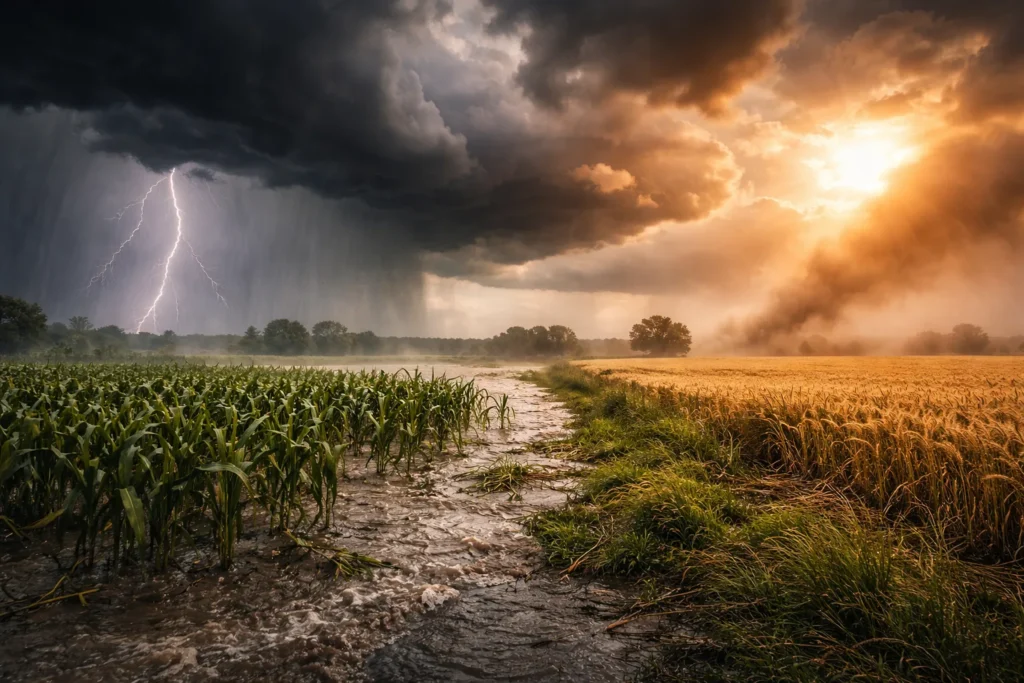

Introduction: The Disintegration of Predictable Patterns
For millennia, human civilization has existed within a remarkably stable climatic framework—a predictable rhythm of seasonal changes that dictated agricultural practices, cultural traditions, and economic activities. Farmers from ancient Mesopotamia to modern-day Kansas have relied on consistent patterns of rainfall, temperature, and frost-free periods. Indigenous communities worldwide developed intricate knowledge systems based on the reliable timing of natural phenomena—the blooming of specific flowers signaling when to plant, the migration of birds indicating changing weather patterns, and the freezing of rivers marking the beginning of winter subsistence activities.
Today, this foundational stability is rapidly disintegrating. Across every continent and ocean basin, scientists are documenting increasingly frequent and severe disruptions to traditional climate cycles. What were once considered “hundred-year events” are now occurring with alarming regularity, challenging long-standing assumptions about our planet’s behavior. This comprehensive examination explores the multifaceted dimensions of unseasonal weather events, their underlying causes, their profound impacts on natural and human systems, and potential pathways toward adaptation and resilience in an increasingly unpredictable world.
The transformation extends far beyond simple temperature increases. It encompasses fundamental alterations in precipitation patterns, seasonal timing, and the frequency and intensity of extreme weather events. These changes are not uniform across the globe but manifest in regionally specific ways that reflect complex interactions between atmospheric dynamics, ocean currents, and local geography. From unprecedented heatwaves in traditionally temperate regions to tropical cyclones forming outside conventional storm seasons, from shifting monsoon patterns to altered freeze-thaw cycles, the evidence of a fundamental climatic reorganization is unequivocal and growing.
This analysis draws upon the latest scientific research from climatology, ecology, agricultural science, economics, and public health to present a holistic understanding of how and why our planet’s seasonal rhythms are changing. It examines not only the physical mechanisms driving these changes but also their cascading effects on food security, water resources, public health, infrastructure, and geopolitical stability. In documenting the scope and scale of seasonal disruption, we confront a central reality of the Anthropocene: humanity has become the dominant force shaping Earth’s climate systems, and we must now navigate the consequences of that unprecedented influence.
The Historical Context: Climate Stability as Civilization’s Foundation
The Holocene: Earth’s Unusually Stable Period
To fully appreciate the significance of current climatic disruptions, we must understand the remarkable stability that characterized the past 11,700 years—the geological epoch known as the Holocene. Following the last glacial period, Earth entered a period of unusually stable climatic conditions that enabled the development and flourishing of human civilization. During this time, global average temperatures fluctuated within a narrow range of approximately ±1°C, sea levels remained relatively constant after an initial rise, and seasonal patterns showed remarkable consistency across centuries.
This climatic stability was not accidental but resulted from complex, balanced feedback systems within Earth’s climate machinery. The concentration of atmospheric greenhouse gases—particularly carbon dioxide, methane, and nitrous oxide—remained within a stable range that maintained a planetary energy balance conducive to human development. Ocean currents distributed heat efficiently between equatorial and polar regions, while the cryosphere (Earth’s frozen regions) reflected sufficient solar radiation to prevent runaway warming. Vegetation patterns developed in response to these stable conditions, creating the forests, grasslands, and agricultural regions that have sustained human societies.
Civilizational advancements from the development of agriculture in the Fertile Crescent to the industrial revolution in Europe all occurred within this narrow climatic envelope. Human settlements, agricultural systems, water management infrastructure, and cultural practices all evolved in response to specific regional climates that showed minimal variation from generation to generation. The predictability of seasons allowed for the development of calendars, the domestication of crops and animals with specific seasonal requirements, and the establishment of trade networks based on reliable growing seasons and transportation corridors.
Documenting Traditional Climate Knowledge
Indigenous and traditional knowledge systems worldwide contain detailed observations of seasonal patterns that persisted for centuries. Australian Aboriginal communities developed sophisticated seasonal calendars comprising up to thirteen distinct seasons based on changes in wind patterns, animal behavior, and plant flowering. These calendars enabled precise timing of hunting, fishing, and gathering activities. Similarly, the Maya civilization of Central America created elaborate astronomical observations to predict seasonal rains with remarkable accuracy, enabling advanced agricultural practices in challenging environments.
In Europe, phenological records maintained by monasteries, royal societies, and naturalists document consistent seasonal patterns from the Middle Ages through the 19th century. The timing of grape harvests in France, documented since the 14th century, shows remarkable consistency until the late 20th century, reflecting stable temperature patterns during the growing season. In Japan, cherry blossom viewing (hanami) has been celebrated for over a thousand years, with records of bloom dates showing minimal variation until recent decades.
These traditional knowledge systems and historical records provide crucial baselines against which current changes can be measured. They reveal not just statistical averages but the entire range of natural variability within which human societies developed adaptive strategies. The departure from these established patterns represents not merely statistical anomalies but a fundamental shift in the environmental conditions that have shaped human culture, technology, and social organization for millennia.
The Science of Seasonal Disruption: Mechanisms and Manifestations
Thermodynamic Fundamentals: Energy Distribution and Atmospheric Dynamics
The Earth’s climate system is fundamentally an engine that redistributes solar energy from the equator toward the poles. This redistribution occurs through atmospheric circulation patterns and ocean currents, creating the seasonal variations that different regions experience. Climate change is altering this energy distribution system in profound ways, primarily through the addition of greenhouse gases that trap heat in the lower atmosphere.
The physics is straightforward but its implications are complex: each additional watt of energy trapped in the climate system must eventually be dissipated through altered atmospheric and oceanic circulation. This additional energy manifests not as uniform warming but as changes to the patterns of energy flow that create seasons. The jet stream—the high-altitude river of air that separates cold polar air from warm tropical air—is particularly sensitive to these changes. As the Arctic warms faster than lower latitudes (a phenomenon known as Arctic Amplification), the temperature gradient that drives the jet stream weakens.
This weakened jet stream becomes more prone to developing large, slow-moving meanders that can trap weather systems in place for extended periods. The result is prolonged heatwaves, persistent drought conditions, or extended periods of rainfall—all of which represent disruptions to typical seasonal weather progression. These “blocking patterns” have become more frequent and persistent in recent decades, particularly in the Northern Hemisphere mid-latitudes where much of the world’s population and agriculture are concentrated.
Hydrological Intensification: The Rainfall Redistribution
One of the most robust findings in climate science is that a warmer atmosphere holds more water vapor—approximately 7% more per degree Celsius of warming. This simple thermodynamic relationship has profound implications for seasonal precipitation patterns. Rather than creating uniform increases in rainfall, it intensifies the entire hydrological cycle: wet regions generally become wetter (particularly during extreme precipitation events), while dry regions become drier as increased evaporation removes moisture from soils and vegetation.
This hydrological intensification disrupts traditional seasonal rainfall patterns in multiple ways. Monsoon systems—seasonal wind patterns that bring essential rainfall to billions of people in Asia, Africa, and the Americas—are showing altered onset dates, changing intensities, and shifting geographical boundaries. The Indian summer monsoon, upon which over a billion people depend for agriculture, has become increasingly erratic, with more frequent extreme rainfall events interspersed with extended dry periods, disrupting traditional planting and harvesting schedules.
Similarly, mid-latitude storm tracks are shifting poleward, bringing traditional rainfall patterns to new regions while depriving others of expected precipitation. The Mediterranean climate regions (characterized by wet winters and dry summers) are experiencing particularly pronounced drying trends, with winter rainfall decreasing by 10-20% in many areas over the past century. These changes are not merely statistical curiosities but represent fundamental alterations to the water availability patterns around which civilizations have organized themselves for thousands of years.
Cryospheric Changes: The Disappearing Cold
Earth’s frozen regions—the cryosphere—play crucial roles in regulating seasonal patterns through their effects on albedo (reflectivity), ocean circulation, and freshwater availability. The rapid warming of polar regions (at approximately three times the global average rate in the Arctic) is dramatically altering these regulatory functions, with cascading effects on seasonal patterns far beyond the poles themselves.
Arctic sea ice extent has declined by approximately 13% per decade since satellite records began in 1979, with particularly dramatic reductions in summer ice. This loss of reflective ice exposes darker ocean waters that absorb more solar energy, creating a positive feedback loop that accelerates regional warming. The reduced temperature contrast between the Arctic and mid-latitudes further weakens the jet stream, contributing to more persistent weather patterns as described earlier.
Mountain glaciers worldwide are retreating at unprecedented rates, with profound implications for seasonal water availability. These natural reservoirs store water as ice during winter and release it gradually through melt during dry seasons. Their decline means less reliable water supplies during critical summer months for hundreds of millions of people who depend on glacier-fed rivers for agriculture, drinking water, and hydropower. The timing of snowmelt—a crucial seasonal event for ecosystems and water management—is occurring earlier in many mountain regions, disrupting the synchronization between water availability and agricultural needs.
Oceanic Influences: Changing Currents and Thermal Properties
The world’s oceans, covering 71% of Earth’s surface and containing over 90% of the planet’s thermal energy, play a dominant role in regulating seasonal patterns through their immense heat capacity and circulation patterns. Climate change is altering both the thermal properties and circulation dynamics of the oceans, with significant implications for seasonal weather patterns worldwide.
Ocean warming is not uniform but shows distinct patterns that influence atmospheric circulation. The tropical oceans have warmed more rapidly than mid-latitude oceans, increasing the energy available to fuel tropical cyclones and altering atmospheric convection patterns. The Atlantic Meridional Overturning Circulation (AMOC)—a crucial component of global heat distribution—shows signs of weakening, which could dramatically alter seasonal temperature patterns in Europe and eastern North America.
Marine heatwaves—prolonged periods of anomalously warm ocean temperatures—have become more frequent, intense, and longer-lasting. These events disrupt marine ecosystems, alter weather patterns, and can influence continental climate through teleconnections. The “Blob” of warm water that persisted in the northeastern Pacific Ocean from 2013-2016, for example, contributed to drought conditions along the North American west coast and altered storm tracks across the continent.
Regional Manifestations: A Global Survey of Seasonal Disruption
North America: Contrasting Vulnerabilities
The North American continent presents a mosaic of climate disruption impacts reflecting its diverse geography and climate zones. In the western United States and Canada, declining snowpack and earlier spring snowmelt have fundamentally altered the hydrological regime. The Sierra Nevada snowpack, a crucial water source for California’s agriculture and cities, has declined by approximately 15-30% since the early 20th century, with an increasing proportion of precipitation falling as rain rather than snow. This shift concentrates water availability in winter months while reducing summer flows precisely when demand is highest.
The Pacific Northwest, traditionally known for its mild, wet winters and dry summers, has experienced unprecedented heat extremes, most notably during the June 2021 heat dome that shattered temperature records across the region. Portland, Oregon reached 46.7°C (116°F), approximately 16°C above normal June temperatures. Such extreme departures from seasonal norms are statistically implausible in a stable climate and point to fundamental changes in atmospheric circulation patterns.
In the Midwest, traditionally the stable agricultural heartland of the continent, the growing season has lengthened by approximately two weeks since the 1970s. While this might superficially appear beneficial for agriculture, it has been accompanied by increased nighttime temperatures that reduce crop yields and more frequent extreme rainfall events that delay planting and promote soil erosion. The region is also experiencing more frequent “false springs”—periods of unseasonable warmth followed by damaging frosts that can devastate fruit trees and other perennial crops.
The northeastern United States and eastern Canada have experienced the largest increases in extreme precipitation events of any region in the country, with a 71% increase in the amount of precipitation falling in the heaviest 1% of events since 1958. This has led to increased flooding, particularly during the winter and spring months when soils are often frozen or saturated. Simultaneously, the region is experiencing warmer winters with reduced snow cover, disrupting winter recreation industries and ecosystems adapted to consistent snowpack.
Europe: From Mediterranean Droughts to Arctic Amplification
Europe’s climate disruption reflects its position at the boundary of several major climate systems. Southern Europe, particularly the Mediterranean basin, is experiencing pronounced aridification—a long-term transition toward drier conditions. Summer temperatures are increasing approximately 40% faster than the global average, while precipitation during the crucial winter rainy season has decreased by 10-20% in many areas over the past century. These changes threaten the region’s iconic agricultural products, including olives, grapes, and citrus fruits, which have been cultivated for millennia under relatively stable climatic conditions.
Central and Western Europe are experiencing increased frequency and intensity of heatwaves. The 2003 European heatwave caused approximately 70,000 excess deaths and reduced crop yields by 20-36% in affected countries. Subsequent heatwaves in 2010, 2015, 2018, 2019, and 2022 have reinforced the pattern of increasingly severe summer extremes. These events are often accompanied by drought conditions that reduce river flows, threatening inland shipping, cooling water for nuclear power plants, and irrigation for agriculture.
Northern Europe presents a more complex picture, with some regions experiencing increased precipitation and milder winters, while others face more variable conditions. The Arctic regions of Scandinavia are warming particularly rapidly, with profound impacts on indigenous Sami reindeer herding cultures. Changing snow conditions—including more frequent rain-on-snow events that create impenetrable ice layers—prevent reindeer from accessing winter forage, leading to large-scale starvation events that threaten both animal welfare and cultural survival.
Asia: Monsoon Modifications and Glacial Retreat
Asia, home to approximately 60% of the world’s population, faces particularly severe challenges from climate disruption due to its dependence on monsoon systems and glacier-fed rivers. The South Asian monsoon, which provides 70-80% of annual rainfall to India and neighboring countries within just four months, has become increasingly erratic. While total seasonal rainfall shows modest changes, the distribution has shifted toward more intense rainfall events separated by longer dry spells—a pattern particularly damaging to rain-fed agriculture that depends on reliable moisture throughout the growing season.
The East Asian monsoon system affects China, Korea, Japan, and parts of Southeast Asia. Here, observational records show a weakening of the summer monsoon circulation but an increase in extreme rainfall events, creating a dangerous combination of overall drying with punctuated flooding. The Yangtze River Basin, home to nearly 500 million people, has experienced increasingly frequent and severe flooding, most notably in 1998, 2010, 2016, and 2020, with damages exceeding $30 billion in recent events.
The Himalayan region and Tibetan Plateau, often called the “Third Pole” for its extensive ice reserves, are warming at approximately twice the global average rate. Glacier retreat is accelerating, threatening the long-term water security of the ten major river systems that originate in the region and provide water to over 1.5 billion people. The timing of snowmelt is shifting earlier in the year, disrupting the synchronization between water availability and the growing season for downstream agriculture. Additionally, the loss of glacier mass reduces the albedo effect, creating a positive feedback loop that accelerates regional warming.
Africa: Climate Vulnerability and Adaptation Challenges
Africa faces particularly severe challenges from climate disruption due to its high dependence on rain-fed agriculture, limited adaptive capacity, and existing climate stresses. The Sahel region, a semi-arid transition zone between the Sahara Desert to the north and savannahs to the south, has experienced a partial recovery of rainfall since the devastating droughts of the 1970s and 1980s, but with increased variability and more intense extreme events. The region’s “hungry season”—the period before harvest when food stores are depleted—has become longer and more severe in many areas.
East Africa experiences two rainy seasons: the “long rains” from March to May and the “short rains” from October to December. Both have become increasingly unreliable, with more frequent failed rainy seasons. The 2020-2023 drought in the Horn of Africa was the region’s longest and most severe in recent history, pushing millions toward famine and causing massive livestock die-offs that devastated pastoralist communities. When rains do arrive, they increasingly come in intense bursts that cause flooding and soil erosion rather than the steady, soaking rains that support agricultural production.
Southern Africa faces a different set of challenges, including increased frequency of mid-summer dry spells and more intense tropical cyclones originating in the Indian Ocean. Cyclone Idai in 2019 and Cyclone Freddy in 2023 were among the most destructive storms ever recorded in the Southern Hemisphere, causing catastrophic flooding in Mozambique, Malawi, and Madagascar. These events represent not just humanitarian disasters but significant setbacks to economic development in already vulnerable regions.
Polar Regions: Amplified Changes with Global Implications
The Arctic and Antarctic are experiencing the most rapid climate changes on Earth, with profound implications for global climate patterns. Arctic air temperatures have increased by approximately 3°C since the mid-20th century—more than triple the global average. This Arctic Amplification results from multiple feedback mechanisms, including sea ice loss (reducing albedo), changes in cloud cover, and altered atmospheric and oceanic heat transport.
The consequences extend far beyond the Arctic itself. As previously discussed, reduced temperature contrast between the Arctic and mid-latitudes appears to be contributing to more persistent weather patterns and extreme events in North America, Europe, and Asia. Thawing permafrost releases additional greenhouse gases (methane and carbon dioxide), creating a positive feedback loop that accelerates global warming. Indigenous Arctic communities face existential threats to their ways of life as sea ice becomes less predictable and stable, compromising hunting traditions and increasing coastal erosion.
Antarctica presents a more complex picture, with the western portion of the continent and the Antarctic Peninsula warming rapidly while eastern Antarctica shows more modest changes. The disintegration of ice shelves and acceleration of glacial flow into the ocean contribute to sea-level rise, which in turn exacerbates coastal flooding during storms worldwide. Changes in Antarctic sea ice extent and Southern Ocean temperatures influence atmospheric circulation patterns across the Southern Hemisphere, affecting weather in Australia, South America, and southern Africa.
Small Island Developing States: Existential Threats
Small Island Developing States (SIDS) face disproportionately severe impacts from climate disruption despite contributing minimally to global greenhouse gas emissions. Sea-level rise, exacerbated by increased storm intensity and changing precipitation patterns, threatens the very existence of many low-lying island nations. The Maldives, Kiribati, Tuvalu, and the Marshall Islands face the prospect of becoming uninhabitable within this century due to saltwater intrusion into freshwater lenses, coastal erosion, and increasing frequency of inundation during high tides and storms.
Changing rainfall patterns affect freshwater availability on islands that depend on rainwater harvesting or limited groundwater resources. More intense tropical cyclones cause catastrophic damage to infrastructure and economies that can take decades to recover from—if recovery is possible at all. The Caribbean region has experienced a series of devastating hurricanes in recent years, including Maria (2017), Dorian (2019), and Fiona (2022), causing thousands of deaths and economic losses exceeding $200 billion.
Ocean acidification and warming threaten coral reef ecosystems that provide coastal protection, fisheries, and tourism revenue for many island nations. Mass coral bleaching events have become increasingly frequent and severe, with the 2014-2017 global bleaching event affecting approximately 75% of the world’s tropical coral reefs. For nations whose economies and food security depend on healthy marine ecosystems, these changes represent an existential threat to both livelihoods and cultural identity.
Ecological Impacts: When Nature’s Timing Fails
Phenological Disruption: The Science of Biological Timing
Phenology—the study of the timing of recurring biological events—provides some of the most compelling evidence of climate disruption’s ecological impacts. Across virtually all ecosystems and taxonomic groups, seasonal events are shifting earlier in response to warming temperatures. A comprehensive meta-analysis of over 1,700 species found that spring events (such as leaf unfolding, flowering, and insect emergence) advanced by approximately 5.1 days per decade since the 1970s, while autumn events (such as leaf coloring and falling) have been delayed by approximately 4.3 days per decade.
These shifts are not uniform across species, creating “phenological mismatches” that disrupt ecological relationships evolved over millennia. The classic example involves European pied flycatchers, migratory birds that winter in Africa and breed in Europe. Their migration timing is cued primarily by day length, which is unaffected by climate change. However, the caterpillars they feed their young emerge earlier in response to warmer spring temperatures. Flycatchers arriving at their traditional time now find the peak caterpillar abundance has passed, leading to reduced reproductive success and population declines of up to 90% in some regions.
Similar mismatches affect plant-pollinator relationships, predator-prey dynamics, and competitive interactions. In North America, the earlier emergence of forest tent caterpillars has become mismatched with the nesting of black-throated blue warblers, reducing warbler reproductive success. In marine systems, the timing of phytoplankton blooms—the foundation of ocean food webs—is shifting relative to the reproductive cycles of zooplankton and fish larvae, with cascading effects throughout marine ecosystems.
Range Shifts and Biogeographic Reorganization
As temperature isozymes shift poleward and upward in elevation, species are following these climatic envelopes—or attempting to. A comprehensive analysis of over 1,300 species found that terrestrial species are moving poleward at an average rate of 17 km per decade and upward in elevation at 11 meters per decade. Marine species are moving even faster, with distribution shifts averaging 72 km per decade.
These range shifts are creating novel species assemblages and disrupting established ecosystems. Cold-adapted species at high elevations or latitudes face “mountaintop extinction” as they have nowhere cooler to migrate. Alpine plants in the European Alps, for example, have been moving upward by approximately 4 meters per decade, but the highest elevations are becoming crowded with species competing for dwindling suitable habitat. Similarly, Arctic species like the polar bear and Arctic fox face shrinking habitats as their icy environments disappear.
Range shifts also introduce invasive species into new regions, where they can outcompete native species lacking evolved defenses or competitive strategies. The mountain pine beetle, native to western North America, has expanded its range northward and to higher elevations as winters become milder, devastating pine forests across millions of hectares. In marine systems, tropical species are expanding into temperate waters, altering community structure and ecosystem function in kelp forests, coral reefs, and seagrass beds.
Ecosystem Function and Services Disruption
The cumulative effects of phenological shifts, range changes, and extreme events are altering ecosystem functions and the services they provide to humanity. Forests, which sequester approximately 30% of anthropogenic carbon emissions, are becoming less effective carbon sinks as increased mortality from drought, insects, and fire releases stored carbon. The 2020 wildfire season in the western United States alone released approximately 110 million metric tons of carbon dioxide—equivalent to the annual emissions of 24 million cars.
Freshwater ecosystems are particularly vulnerable to climate disruption. Warmer water holds less dissolved oxygen, creating “dead zones” where fish cannot survive. Changing flow regimes disrupt the life cycles of aquatic insects and fish, while increased sediment loads from more intense rainfall smother spawning habitat. These changes threaten freshwater biodiversity, which is already declining at approximately twice the rate of terrestrial or marine biodiversity.
Pollination services, essential for approximately 75% of global food crops, are threatened by phenological mismatches between plants and their pollinators, habitat loss, and direct effects of extreme heat on pollinator survival. The economic value of pollination services has been estimated at $235-577 billion annually, making their disruption a significant threat to global food security.
Coastal ecosystems—including mangroves, salt marshes, and coral reefs—provide crucial protection against storm surge and coastal erosion. These ecosystems are threatened by sea-level rise, ocean acidification, and warming temperatures. The loss of just one meter of coral reef height can increase wave energy reaching the shore by 200%, significantly increasing coastal vulnerability during storms.
Agricultural Consequences: Feeding a World of Climatic Uncertainty
Crop Physiology and Changing Growing Conditions
Plants have specific temperature thresholds beyond which physiological processes break down. Most cereal crops experience pollination failure at temperatures above 35°C (95°F), with rice being particularly sensitive. Warming temperatures are pushing more agricultural regions toward these thresholds during critical growth stages. A study of global wheat production found that for each 1°C increase in temperature, yields decline by approximately 6%, with similar declines for other major crops.
The timing of temperature extremes matters as much as their magnitude. Heatwaves during flowering can devastate fruit and nut crops, as seen in California’s 2017 heatwave that damaged almond pollination, reducing yields by approximately 20%. Winter chill requirements—the number of hours below 7°C (45°F) needed for proper dormancy break in many fruit trees—are increasingly unmet in traditional growing regions. California’s Central Valley has experienced a 30% reduction in winter chill since 1950, threatening the state’s $7 billion fruit and nut industry.
Changing precipitation patterns create simultaneous challenges of water excess and deficit. Heavy rainfall events can waterlog soils, promoting root diseases and preventing field operations. Meanwhile, increased atmospheric demand for water (due to higher temperatures and lower humidity) increases crop water requirements even as supplies become less reliable. The combination of higher temperatures and reduced water availability is particularly damaging, as plants close their stomata to conserve water, simultaneously reducing carbon uptake and growth.
Pest and Disease Dynamics in a Warming World
Warmer temperatures accelerate insect development rates, increase overwintering survival, and expand suitable habitat ranges. Major agricultural pests like fall armyworm, locusts, and various beetle species are expanding their ranges poleward, threatening previously unaffected regions. The mountain pine beetle, once limited by cold winters, has devastated millions of hectares of North American forests, while the coffee berry borer has expanded to higher elevations in East Africa and Latin America, threatening coffee production.
Plant pathogens similarly benefit from warmer, wetter conditions. Fungal diseases like wheat rust and rice blast show increased severity under elevated temperatures and humidity. The geographical range of many pathogens is expanding, with tropical diseases moving into temperate regions. Citrus greening disease, spread by the Asian citrus psyllid, has devastated Florida’s citrus industry and is spreading in California as warming temperatures allow the insect vector to establish in new regions.
Weeds, often more adaptable to changing conditions than crops, generally benefit from increased CO₂ concentrations and warming temperatures. Many invasive weed species have greater physiological plasticity than crops, allowing them to outcompete cultivated plants under changing conditions. Herbicide efficacy can also decrease under elevated CO₂, as plants develop thicker cuticles and altered metabolism.
Livestock and Fisheries: The Protein Challenge
Livestock face direct heat stress that reduces growth, reproduction, and milk production while increasing mortality. The economic losses from heat stress in the U.S. livestock industry are estimated at $1.7-2.4 billion annually. Indirect effects include reduced forage quality and quantity, increased water requirements, and expanded ranges of livestock diseases and parasites. The Rift Valley fever virus, for example, has expanded its range in Africa as changing rainfall patterns create more breeding habitat for mosquito vectors.
Marine fisheries face multiple climate-related threats: ocean warming, acidification, deoxygenation, and changing currents. Fish stocks are shifting poleward, with tropical species moving into temperate waters and temperate species moving toward the poles. These shifts create management challenges as fish cross political boundaries and enter regions without established fisheries. The North Atlantic has experienced particularly rapid shifts, with commercial species moving poleward at approximately 20 km per decade.
Aquaculture, which now provides over 50% of human seafood consumption, faces similar challenges from warming waters, harmful algal blooms, and extreme weather events that damage infrastructure. Shellfish aquaculture is particularly vulnerable to ocean acidification, which impairs shell formation in oysters, mussels, and other mollusks.
Economic and Food Security Implications
The cumulative effects of climate disruption on agriculture threaten global food security and price stability. Climate change is estimated to have already reduced global agricultural productivity by approximately 21% since 1961, with hotter regions experiencing declines up to 34%. These impacts are projected to worsen, with potential yield reductions of 10-25% for major crops by 2050 under high-emissions scenarios.
Food price volatility has increased alongside climate extremes, with price spikes following major droughts or heatwaves in key producing regions. The 2010 Russian heatwave and associated export ban contributed to a doubling of global wheat prices, exacerbating food insecurity in import-dependent regions and contributing to social unrest. Such events disproportionately affect the poor, who spend a larger proportion of their income on food.
Smallholder farmers, who produce approximately 30% of the world’s food, are particularly vulnerable due to limited access to irrigation, insurance, credit, and information. Climate disruption exacerbates existing inequalities, as wealthier farmers can invest in adaptation measures while poorer farmers face increasing risks of crop failure and indebtedness. Gender disparities are often amplified, as women farmers typically have less access to resources and decision-making power.
Human Health Impacts: The Medical Consequences of Seasonal Disruption
Direct Effects: Heat, Cold, and Extreme Events
Heat-related illness and mortality represent the most direct health impacts of climate disruption. The 2003 European heatwave caused approximately 70,000 excess deaths, while the 2010 Russian heatwave caused approximately 55,000. Vulnerability is not evenly distributed: the elderly, young children, outdoor workers, and those with pre-existing medical conditions face the highest risks. Urban populations experience amplified heat exposure due to the urban heat island effect, with temperatures in city centers often 5-10°C higher than surrounding rural areas.
Paradoxically, some regions may experience increased cold-related mortality as warming temperatures make populations less acclimatized to cold and as extreme cold events (possibly linked to polar vortex disruptions) occur. However, the net global effect is strongly toward increased heat-related mortality, which is projected to cause approximately 250,000 additional deaths annually between 2030 and 2050 from malnutrition, malaria, diarrhea, and heat stress alone, according to World Health Organization estimates.
Extreme weather events—hurricanes, floods, wildfires—cause direct injury and death while disrupting healthcare infrastructure and access to medications. The mental health consequences of these events, including post-traumatic stress disorder, depression, and anxiety, can persist for years and affect large proportions of exposed populations.
Infectious Disease Dynamics in a Changing Climate
Vector-borne diseases are particularly sensitive to climate conditions, as temperature affects the development rates, survival, and biting frequency of insects like mosquitoes and ticks. Malaria transmission potential has increased in highland regions of Africa, Asia, and South America as warming temperatures allow mosquitoes to survive at higher elevations. Dengue fever has expanded its geographical range, with transmission now occurring in Europe and the southern United States, regions previously outside its range.
Water-borne diseases like cholera and diarrheal diseases show increased incidence following flooding events that contaminate water supplies. Conversely, drought conditions can concentrate pathogens in limited water sources. Food-borne illnesses may increase as warmer temperatures promote bacterial growth in food.
The geographical range of many zoonotic diseases (transmitted from animals to humans) is expanding as host species shift their distributions. Lyme disease cases in the United States have approximately doubled since 1991 as tick populations have expanded northward and to higher elevations. Similarly, the geographical range of hantavirus, transmitted by rodents, has expanded in North and South America.
Air Quality and Respiratory Health
Climate disruption affects air quality through multiple pathways. Longer, more intense pollen seasons exacerbate allergies and asthma, with ragweed pollen season in North America now approximately three weeks longer than in 1995. Increased wildfire activity produces smoke that contains fine particulate matter (PM2.5) and other respiratory irritants, with effects extending hundreds of miles downwind. The 2020 wildfire season in the western United States exposed millions to hazardous air quality for weeks, with associated increases in respiratory hospitalizations.
Higher temperatures promote the formation of ground-level ozone, a respiratory irritant that exacerbates asthma and other lung diseases. The combination of heat and poor air quality creates particularly dangerous conditions for vulnerable populations. Urban areas often experience the cumulative effects of urban heat islands, vehicular emissions, and industrial pollution, creating overlapping health risks.
Nutritional Security and Mental Health
Climate impacts on agriculture translate directly to nutritional outcomes. Reduced yields and nutrient density of crops under elevated CO₂ (a phenomenon known as “carbon fertilization penalty”) could place hundreds of millions at risk of protein, zinc, and iron deficiencies by 2050. Fisheries declines threaten essential fatty acids and micronutrients for coastal and island populations.
The mental health consequences of climate disruption are increasingly recognized as a major public health challenge. “Eco-anxiety”—distress related to environmental changes—particularly affects young people who perceive threats to their future. The psychological impacts of extreme events, displacement, loss of livelihoods, and disruption to cultural practices connected to seasonal rhythms contribute to depression, anxiety, and substance abuse.
Infrastructure and Built Environment: Engineering for Uncertainty
Transportation Systems Under Climate Stress
Transportation infrastructure—roads, railways, ports, and airports—faces multiple climate threats. Extreme heat softens asphalt, causing rutting and degrading road surfaces, while also expanding bridge joints and railway tracks beyond design tolerances. The 2019 heatwave in Europe caused railway speed restrictions across the continent as tracks expanded and buckled.
Increased heavy precipitation overwhelms drainage systems, causing flooding that damages roadbeds and bridge foundations. More frequent freeze-thaw cycles in temperate regions accelerate pavement deterioration. Coastal infrastructure faces compound threats from sea-level rise, storm surge, and increased erosion. Approximately 60% of the world’s major ports are located in areas exposed to tropical cyclones, tsunamis, or storm surges, with replacement values in the trillions of dollars.
Aviation faces challenges from increased turbulence (associated with stronger vertical wind shear), reduced lift in hotter, thinner air (requiring longer takeoff distances), and more frequent weather-related delays. A study of 19 major U.S. airports found that a 3°C temperature increase could require weight restrictions on 30% of summer flights, particularly affecting long-haul routes.
Energy Systems: Generation, Transmission, and Demand
Energy systems face climate threats at every stage: generation, transmission, and demand. Thermoelectric power plants (coal, natural gas, nuclear) require cooling water, the availability of which decreases during droughts while water temperatures increase, reducing cooling efficiency. During the 2003 and 2006 European heatwaves, nuclear power plants in France, Germany, and Spain had to reduce output or shut down entirely as river temperatures exceeded licensing limits for cooling water discharge.
Hydropower generation is sensitive to changing precipitation patterns and glacier melt. Declining snowpack and shifting runoff timing reduce summer generation capacity in many regions. Conversely, increased precipitation in some regions may boost hydropower potential, though often with greater interannual variability that complicates grid management.
Transmission lines have reduced capacity in hot weather as lines sag and resistance increases. The 2021 Pacific Northwest heatwave forced utilities to implement rolling blackouts as demand soared while transmission capacity decreased. Distribution systems are vulnerable to extreme winds, ice storms, and wildfires—the latter particularly threatening in regions where power lines can ignite fires during dry, windy conditions.
Renewable energy sources also face climate vulnerabilities. Solar panel efficiency decreases at higher temperatures, while cloud cover changes affect both solar and wind resources. Offshore wind facilities face threats from more intense storms and changing ocean conditions.
Water Infrastructure: Too Much and Too Little
Water management systems face the dual challenge of managing flood risks while ensuring reliable supplies during droughts. Aging stormwater systems in many cities are overwhelmed by more intense rainfall, causing combined sewer overflows that discharge untreated wastewater into receiving waters. The estimated cost to upgrade U.S. stormwater systems to handle increased precipitation is approximately $1 trillion.
Dams and levees designed for historical hydrological conditions may be inadequate for changed flood frequencies and magnitudes. The 2017 Oroville Dam crisis in California, where heavy rainfall damaged the main and emergency spillways, necessitating the evacuation of 180,000 people, highlighted the vulnerability of aging water infrastructure to extreme precipitation events.
Drought management requires balancing competing demands for agricultural, municipal, industrial, and environmental water needs. Groundwater depletion exacerbates vulnerability to drought, as seen in California’s Central Valley and India’s Punjab region. Desalination provides an alternative water source for coastal regions but is energy-intensive and produces brine that must be managed.
Building Design and Urban Planning
The built environment must adapt to changing climate conditions through revised design standards, materials, and urban planning. Building codes based on historical climate data are increasingly inadequate. Insulation requirements, heating and cooling system sizing, and drainage capacity all need revision for future climate conditions.
The urban heat island effect—where cities are significantly warmer than surrounding rural areas due to heat-absorbing surfaces and waste heat from buildings and vehicles—exacerbates heatwave impacts. Mitigation strategies include increasing vegetation and green spaces, implementing cool roofs and pavements, and improving building efficiency. Paris’s “Cool Island” program identifies and protects cooler areas within the city, while Melbourne’s urban forest strategy aims to double tree canopy cover by 2040.
Coastal development must confront sea-level rise through either protection (seawalls, dunes), accommodation (elevated structures, flood-proofing), or managed retreat. These decisions involve difficult trade-offs between costs, environmental impacts, and social equity, as protection for wealthy areas may increase flooding risks elsewhere.
Economic Implications: Counting the Costs of Disruption
Direct Economic Losses from Extreme Events
The economic costs of weather and climate-related disasters have increased dramatically in recent decades. According to the National Oceanic and Atmospheric Administration (NOAA), the United States experienced 18 separate billion-dollar weather and climate disasters in 2022 alone, with total costs exceeding $165 billion. Worldwide, insured losses from natural catastrophes averaged $110 billion annually over the past decade, with uninsured losses substantially higher, particularly in developing countries.
The increasing costs reflect both increased frequency and intensity of events and growing exposure of assets in vulnerable areas. Coastal property values along the U.S. Atlantic and Gulf Coasts total approximately $1.5 trillion, with significant portions at risk from sea-level rise and storm surge. The economic impacts extend beyond direct damage to include business interruption, supply chain disruptions, and reduced tourism.
The distribution of losses is highly unequal, with lower-income countries and communities bearing disproportionate impacts relative to their economic capacity. When Hurricane Maria struck Puerto Rico in 2017, it caused damage estimated at $90 billion—approximately 1.5 times the territory’s gross domestic product. The 2022 floods in Pakistan caused over $30 billion in damage and economic losses, affecting a country with a GDP of approximately $350 billion.
Sectoral Impacts and Productivity Effects
Beyond direct damage, climate disruption affects economic productivity across sectors. Labor productivity decreases in hot conditions, particularly for outdoor work in agriculture, construction, and manufacturing. A study of global economic output found that heat stress already reduces potential labor hours by approximately 2%, with losses projected to reach 7% by 2100 under high-emissions scenarios.
Agricultural productivity declines, as previously discussed, with cascading effects on food prices, rural livelihoods, and trade balances. The tourism sector faces climate risks ranging from coral bleaching affecting dive tourism to reduced snowfall threatening ski resorts to extreme heat discouraging summer travel to traditional destinations.
Insurance and reinsurance industries face increasing losses and uncertainty in pricing risk. Some insurers are withdrawing from high-risk markets, leaving governments as insurers of last resort. The U.S. National Flood Insurance Program, for example, owes approximately $20 billion to the U.S. Treasury following claims from major hurricanes.
Financial System Risks and Stranded Assets
Climate disruption poses systemic risks to the global financial system through both physical risks (damage to assets) and transition risks (policy changes to reduce emissions that strand fossil fuel assets). The Network for Greening the Financial System, a consortium of central banks and supervisors, has identified climate change as a source of financial risk requiring supervisory action.
Stranded assets—investments that lose value prematurely due to climate change—could include coastal real estate, fossil fuel reserves, and infrastructure designed for historical climate conditions. The potential scale is enormous: a study in Nature estimated that committed emissions from existing fossil fuel infrastructure already exceed the carbon budget for limiting warming to 1.5°C, suggesting substantial assets may need to be retired before the end of their economic lifetimes.
Credit rating agencies are increasingly incorporating climate risks into sovereign and corporate ratings. Climate vulnerability has contributed to rating downgrades for some small island states, increasing their borrowing costs precisely when they need resources for adaptation.
Adaptation Costs and Investment Needs
Investing in climate adaptation can reduce future losses but requires substantial upfront capital. The Global Commission on Adaptation estimates that investing $1.8 trillion in adaptation measures globally between 2020 and 2030 could generate $7.1 trillion in net benefits. Priority areas include early warning systems, climate-resilient infrastructure, improved dryland agriculture, mangrove protection, and resilient water resources.
Developing countries face particular challenges in financing adaptation, with estimated needs of $140-300 billion annually by 2030. Current international climate finance flows are insufficient, with adaptation receiving only approximately 25% of total climate finance despite recognition that vulnerable countries need balanced support for both mitigation and adaptation.
The distribution of adaptation benefits and costs raises equity concerns. Large-scale infrastructure projects like sea walls may protect valuable assets but displace vulnerable communities or damage ecosystems. “Maladaptation”—actions that increase vulnerability—can occur when measures address immediate risks without considering long-term consequences or equitable distribution of benefits.
Adaptation Strategies: Navigating the New Normal
Technological Innovations for Climate Resilience
Technological innovation plays a crucial role in climate adaptation across sectors. In agriculture, drought-tolerant crop varieties developed through both conventional breeding and biotechnology can maintain yields under water-limited conditions. The International Maize and Wheat Improvement Center (CIMMYT) has developed drought-tolerant maize varieties that can yield 20-30% more than conventional varieties under drought stress, benefiting millions of smallholder farmers in Africa.
Precision agriculture technologies—including sensors, drones, and satellite imagery—allow farmers to optimize water and fertilizer use, reducing costs while increasing resilience. Remote sensing combined with machine learning can provide early warning of pest outbreaks or water stress, enabling targeted interventions.
Water management technologies include more efficient irrigation systems (drip and micro-sprinkler), atmospheric water harvesting, wastewater recycling, and precision desalination. Singapore’s NEWater program recycles wastewater to provide 40% of the nation’s water needs, reducing dependence on imported water.
In the built environment, new materials and designs improve resilience. Self-healing concrete uses bacteria to repair cracks, extending infrastructure lifespan. Permeable pavement allows water infiltration, reducing urban flooding. Floating architecture offers solutions for flood-prone areas, as demonstrated in the Netherlands’ amphibious houses.
Ecosystem-Based Adaptation and Nature-Based Solutions
Ecosystem-based adaptation uses biodiversity and ecosystem services to help communities adapt to climate impacts. Coastal restoration of mangroves, salt marshes, and coral reefs provides cost-effective flood protection while supporting fisheries and carbon sequestration. A study of mangrove restoration in Vietnam found that $1.1 million invested in planting and protecting 12,000 hectares of mangroves saved $7.3 million annually in dyke maintenance while increasing crab and shellfish harvests.
Urban green infrastructure—including parks, green roofs, and street trees—reduces heat island effects, manages stormwater, and improves air quality. Philadelphia’s Green City, Clean Waters program uses green infrastructure to manage stormwater, reducing combined sewer overflows while creating green jobs and community amenities.
Agroforestry and silvopasture integrate trees into agricultural systems, increasing resilience through microclimate moderation, soil improvement, and diversified income sources. In Central America’s “coffee forests,” shade trees buffer coffee plants from temperature extremes while providing habitat for birds that control insect pests.
Protected area networks that allow species movement in response to climate change can reduce biodiversity losses. Corridors connecting protected areas enable range shifts, while climate-refugia identification helps prioritize conservation of areas likely to maintain suitable conditions.
Institutional and Governance Approaches
Effective adaptation requires supportive policies, planning processes, and governance structures. Climate risk assessments integrated into planning at all levels—from national development plans to local land-use decisions—can avoid locking in vulnerability. Colombia, for example, requires climate risk assessments for all public infrastructure investments.
Insurance mechanisms, including index-based weather insurance and catastrophe bonds, can transfer risk and provide rapid payout after disasters. Ethiopia’s Productive Safety Net Program incorporates weather index insurance to protect farmers against drought, with payouts triggering scaled-up food assistance.
Community-based adaptation recognizes that local knowledge and participation are essential for effective, equitable adaptation. Bangladesh’s community-based early warning systems for cyclones have dramatically reduced mortality rates, while local adaptation plans in Nepal incorporate indigenous knowledge of changing mountain conditions.
International cooperation supports adaptation in vulnerable countries through finance, technology transfer, and capacity building. The Paris Agreement established the global goal on adaptation and requires developed countries to provide financial resources to developing countries. The Green Climate Fund, with over $10 billion in pledges, supports adaptation projects in developing countries.
Behavioral and Cultural Adaptation
Individual and collective behavior change contributes to climate resilience. Heat action plans that include public education, cooling centers, and check-ins for vulnerable populations have reduced heat-related mortality in cities like Ahmedabad, India. Water conservation behaviors, supported by incentives and regulations, can reduce demand during droughts.
Cultural practices evolve in response to changing conditions. Indigenous knowledge systems, while challenged by the pace of change, offer valuable insights for adaptation. In the Arctic, Indigenous communities are adapting hunting practices as sea ice becomes less predictable, combining traditional knowledge with scientific information for safer travel.
Education systems that build climate literacy prepare future generations for climate-informed decision-making. Professional training for engineers, architects, planners, and farmers in climate-resilient practices ensures that technical expertise incorporates climate considerations.
The Path Forward: Mitigation, Adaptation, and Transformation
The Imperative of Rapid Emissions Reduction
While adaptation is essential, it has limits. The scale and pace of climate disruption ultimately depend on future greenhouse gas emissions. The Intergovernmental Panel on Climate Change (IPCC) emphasizes that every fraction of a degree of avoided warming reduces climate risks. Limiting warming to 1.5°C instead of 2°C could reduce the number of people exposed to climate-related risks and susceptible to poverty by several hundred million by 2050.
The Paris Agreement goal of limiting warming to well below 2°C, preferably to 1.5°C, requires rapid, far-reaching, and unprecedented changes in all aspects of society. Global net human-caused emissions of carbon dioxide would need to fall by about 45% from 2010 levels by 2030, reaching net zero around 2050. This transformation involves decarbonizing energy systems, transforming agriculture and land use, and potentially deploying carbon dioxide removal technologies.
Recent policy developments, including the U.S. Inflation Reduction Act and the European Union’s Fit for 55 package, represent substantial investments in clean energy and emissions reduction. However, current policies globally still project warming of approximately 2.7°C by 2100, emphasizing the need for enhanced ambition and implementation.
Integrated Approaches: Linking Mitigation and Adaptation
Many strategies offer both mitigation and adaptation benefits, creating synergies that justify greater investment. Urban green spaces sequester carbon while reducing heat island effects. Agroforestry systems store carbon while increasing farm resilience. Building efficiency reduces emissions while improving comfort during heatwaves.
Circular economy approaches that reduce waste and increase resource efficiency typically reduce emissions while decreasing vulnerability to supply chain disruptions. Renewable energy systems, particularly distributed solar with storage, can provide resilient power during grid outages caused by extreme weather.
Nature-based solutions often provide the greatest co-benefits. Forest conservation and restoration protect biodiversity, store carbon, regulate water flows, and support livelihoods. Coastal wetland restoration sequesters carbon at high rates while protecting shorelines and supporting fisheries.
Equity and Justice in Climate Action
Climate disruption disproportionately affects those least responsible for causing it and with the fewest resources to adapt. Addressing these inequities is both an ethical imperative and practical necessity for effective global action. The Paris Agreement recognizes the principle of “common but differentiated responsibilities and respective capabilities,” acknowledging that developed countries should take the lead in emissions reduction and support developing countries’ adaptation efforts.
Climate justice frameworks emphasize the rights of vulnerable groups, including Indigenous peoples, women, children, and low-income communities, in climate decision-making. Just transition principles ensure that workers and communities dependent on fossil fuels are supported in the shift to a low-carbon economy.
Loss and damage—impacts that cannot be avoided through mitigation or adaptation—represents a growing concern for vulnerable countries. The establishment of a loss and damage fund at COP27 marked a significant step toward addressing these irreversible impacts, though details of funding and implementation remain to be determined.
Visioning Climate-Resilient Futures
Ultimately, addressing climate disruption requires not just technical solutions but transformed relationships between human societies and natural systems. A climate-resilient future would feature diversified, regenerative economies that work within planetary boundaries. It would prioritize well-being over material consumption and recognize interdependence with the natural world.
Such transformation involves reimagining cities as biophilic spaces that integrate nature into daily life, redesigning food systems around agroecological principles that enhance both productivity and resilience, and developing governance systems that operate across scales and sectors to manage complex, interconnected challenges.
Cultural narratives that emphasize resilience, adaptation, and interdependence can support this transformation. Indigenous worldviews that recognize humans as part of ecological systems offer alternative models to the separation of nature and culture that has characterized much of modern development.
Education that fosters systems thinking, empathy, and adaptive capacity prepares future generations for the complexities of a changing climate. The arts and humanities play crucial roles in helping societies process change, imagine alternatives, and maintain hope amid uncertainty.
Conclusion: Living With Change in the Anthropocene
The evidence presented in this comprehensive analysis leaves little room for doubt: Earth’s seasonal rhythms are undergoing fundamental changes with profound implications for natural systems and human societies. What was once predictable is becoming uncertain; what was once exceptional is becoming commonplace. The farmer in Iowa, the fisherman in Bangladesh, the homeowner in Florida, and the herder in the Sahel all face a common challenge: navigating a world where traditional knowledge of seasons provides diminishing guidance.
Yet within this challenge lies opportunity—to build more resilient, equitable, and sustainable societies. The needed transformations in energy, agriculture, urban design, and governance would yield benefits beyond climate resilience, including improved public health, greater social equity, and enhanced environmental quality. The technologies, practices, and policies needed already exist in many cases; what is required is the political will, financial investment, and social commitment to implement them at scale.
The seasonal unraveling documented here represents one of humanity’s greatest collective challenges. It tests our capacity for foresight, cooperation, and innovation. It demands that we balance urgent action with long-term planning, global responsibility with local adaptation, and technical solutions with cultural wisdom. How we respond will define not only our climate future but the very character of human civilization in the Anthropocene.
As the naturalist and writer Barry Lopez once observed, “Everything is held together with stories.” The story of climate disruption is still being written. With informed action, ethical commitment, and collective effort, it can become a story not just of loss and disruption but of human ingenuity, ecological renewal, and resilient communities learning to thrive amid change. The seasonal clock may be breaking, but our capacity to build anew from its pieces remains—if we choose to exercise it with wisdom, urgency, and compassion for both present and future generations.