
The Hidden Epidemic: Anaemia’s Quiet Impact on Global Health
Imagine waking up every morning feeling as though you haven’t slept, your body heavy, your mind foggy, and even simple tasks like climbing stairs or concentrating on work feeling like monumental challenges. This is the daily reality for approximately 2 billion people worldwide living with anaemia—a silent epidemic that robs individuals of vitality and nations of productivity. To put this staggering number in perspective, it’s more than the entire populations of North America, South America, and Europe combined. Within this vast number exists a spectrum of suffering: from the mild fatigue that slightly diminishes quality of life to the severe, life-threatening oxygen deprivation that compromises organ function and claims lives, particularly among women during childbirth and young children in their formative years.
Anaemia is more than just “feeling tired”—it’s a complex medical condition where your blood doesn’t have enough healthy red blood cells or hemoglobin to carry adequate oxygen to your body’s tissues. When your cells don’t get enough oxygen, every system in your body struggles to function properly. For children, this isn’t just about low energy—it can mean permanent setbacks in brain development, reduced learning capacity, and compromised immune systems that make them vulnerable to other illnesses. The developing brain is particularly susceptible to oxygen deprivation, and iron deficiency anaemia in early childhood has been linked to cognitive delays that may persist even after the anaemia is corrected. For women, particularly during pregnancy, anaemia increases the risk of complications during childbirth, low birth weight babies, and maternal mortality. The added physiological stress of pregnancy on an already compromised oxygen-carrying system creates a dangerous situation for both mother and child, with anaemia contributing to approximately 20% of maternal deaths globally according to World Health Organization estimates.
Despite being a well-recognized global health issue for decades, progress against anaemia has been frustratingly slow and uneven. Between 2000 and 2019, the prevalence of anaemia in non-pregnant women barely budged, dropping only from 31% to 30%. For pregnant women, the decrease was only slightly better, from 41% to 36% over the same 19-year period. This glacial pace of improvement has forced health experts worldwide to ask difficult questions about what’s been missing from our approach—questions that a new wave of community-focused nutrition initiatives is finally beginning to answer. The stagnation is particularly puzzling given increased global attention to nutrition and substantial investments in supplementation programs. Some regions have even seen reversals of progress, with anaemia rates creeping upward in certain populations despite interventions, suggesting that our traditional approaches are missing crucial elements of this complex health challenge.
The economic impact of anaemia is equally staggering and often underestimated. According to the World Health Organization, iron-deficiency anaemia alone is estimated to cost developing countries up to 4.05% of their Gross Domestic Product in lost productivity. When we consider that anaemia disproportionately affects women during their prime working years and children during their critical developmental years, the long-term consequences for economic development become even more apparent. The productivity losses manifest in multiple ways: reduced physical work capacity (particularly important in agricultural and manual labor economies), increased absenteeism due to illness, diminished cognitive function affecting job performance, and healthcare costs for treatment. For children, the economic impact extends into the future through reduced educational attainment and lifetime earning potential. Nations cannot thrive when a significant portion of their population lacks the basic biological capacity to learn, work, and contribute fully to society.
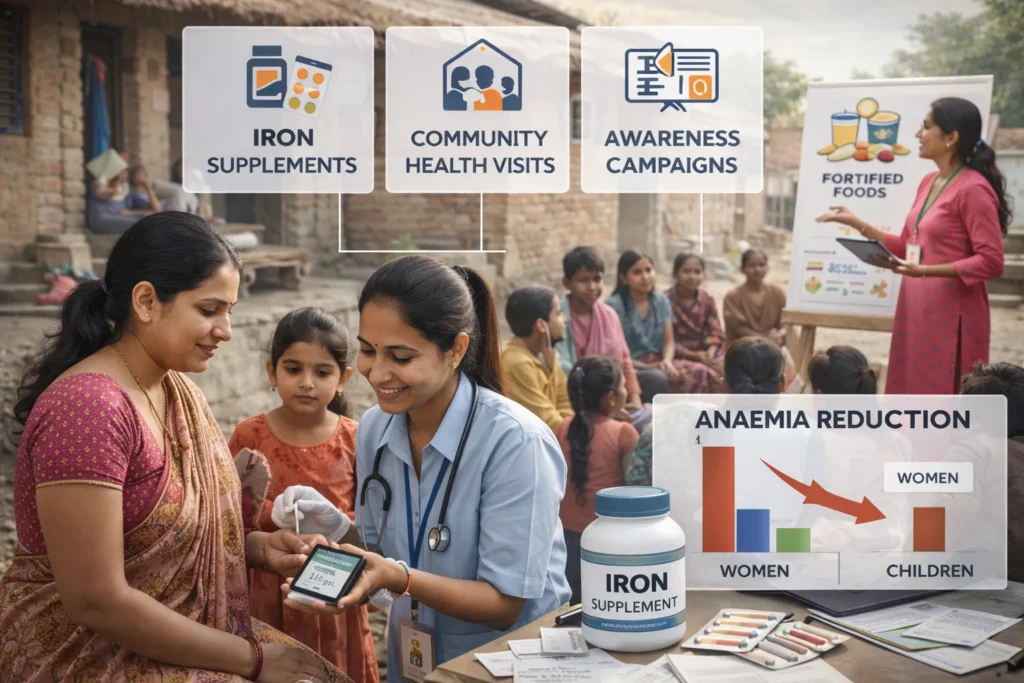
Yet, amidst these sobering statistics, there are glimmers of hope emerging from innovative approaches. Recent national nutrition initiatives that combine fortified foods with community health visits are demonstrating that progress is possible when we approach anaemia not as an isolated medical condition, but as a multifaceted challenge requiring comprehensive solutions. These programs recognize that handing out iron supplements is only part of the answer—we must also address the educational, cultural, economic, and environmental factors that allow anaemia to persist in communities worldwide. Early results from these integrated programs show promising improvements in anaemia rates, particularly when they engage communities as partners rather than passive recipients of interventions. The success of these approaches suggests that we may be on the cusp of a new era in anaemia reduction—one that recognizes the complex interplay of factors that contribute to this condition and addresses them holistically rather than through narrow, single-focused interventions.
The Historical Context: How Anaemia Became a Global Priority
To understand our current challenges with anaemia, we must look back at how this condition emerged as a global health priority. The recognition of anaemia as a widespread public health problem dates back centuries, with descriptions of symptoms resembling severe iron deficiency appearing in ancient medical texts from Egypt, Greece, and China. However, it wasn’t until the 19th and early 20th centuries that scientists began to understand the physiological basis of anaemia and its connection to nutrition. The discovery of iron’s role in blood formation in the 1830s, the identification of pernicious anaemia as related to vitamin B12 deficiency in the 1920s, and the understanding of the role of folic acid in the 1930s and 1940s laid the scientific foundation for modern approaches to anaemia prevention and treatment.
The post-World War II era saw increasing attention to malnutrition in developing countries, with anaemia emerging as a recognized component of the broader malnutrition challenge. In the 1960s and 1970s, large-scale surveys began to reveal the shocking prevalence of anaemia in certain populations, particularly pregnant women and young children in resource-limited settings. These findings coincided with growing recognition of the developmental consequences of early childhood anaemia, sparking increased research and programmatic attention. The 1974 World Food Conference marked a turning point in global awareness of nutrition issues, with anaemia receiving specific mention as a priority concern. This was followed by the 1978 Alma-Ata Declaration, which emphasized primary healthcare as the key to addressing common health problems including nutritional deficiencies like anaemia.
The 1980s and 1990s witnessed the rise of vertical nutrition programs targeting specific deficiencies, including iron supplementation initiatives for pregnant women in many countries. While these programs achieved some success in increasing awareness and delivering supplements, they often struggled with implementation challenges including supply chain issues, low adherence, and limited integration with broader health services. The 1990 International Conference on Nutrition brought renewed attention to micronutrient deficiencies, with anaemia featuring prominently in the resulting action plan. During this period, food fortification emerged as a complementary strategy to supplementation, particularly for reaching populations not regularly accessing healthcare services. Salt fortified with iron, sugar fortified with vitamin A, and wheat flour fortified with multiple micronutrients became increasingly common interventions in various countries.
The turn of the millennium brought both progress and new realizations about the complexity of anaemia. The Millennium Development Goals (2000-2015) included reduction of child mortality and improvement of maternal health as key targets, indirectly addressing anaemia through these broader aims. During this period, large-scale evaluations began to reveal the limitations of standalone supplementation programs, with many showing minimal impact on population-level anaemia rates despite high coverage targets. Researchers increasingly recognized that anaemia had multiple overlapping causes beyond just iron deficiency—including other nutrient deficiencies, infectious diseases, genetic conditions, and chronic inflammation—requiring more comprehensive approaches. The emergence of the “nutrition-sensitive” approach emphasized addressing the underlying determinants of malnutrition, including poverty, gender inequality, and food insecurity, which all contribute to high anaemia rates.
Today, we stand at a critical juncture in the global response to anaemia. The Sustainable Development Goals (2015-2030) include specific nutrition targets, with the World Health Assembly setting a goal of 50% reduction in anaemia in women of reproductive age by 2025 (later extended to 2030). However, progress toward this goal has been disappointing, with most countries not on track to achieve it. This has prompted a major reassessment of strategies and a growing recognition that traditional approaches need to be reimagined. The current era is characterized by several key shifts: from vertical single-nutrient programs to integrated multi-sectoral approaches; from top-down interventions to community-led solutions; from a narrow focus on supplementation to comprehensive strategies addressing the multiple causes of anaemia; and from standardized global approaches to context-specific solutions tailored to local epidemiology, resources, and cultural practices.
Understanding the Many Faces of Anaemia: Beyond Simple Iron Deficiency
When most people hear “anaemia,” they immediately think of iron deficiency. While this is indeed the most common cause globally, particularly for women of reproductive age and children, this simplistic association overlooks the complex nature of the condition. Anaemia is not a single disease but rather a symptom with multiple potential causes that frequently overlap, especially in resource-limited settings where nutritional deficiencies, infections, and genetic factors converge. The medical definition of anaemia—a reduction in the oxygen-carrying capacity of blood due to diminished red blood cell mass or hemoglobin concentration—encompasses a diverse array of conditions with different underlying mechanisms, clinical presentations, and treatment requirements. Understanding this complexity is essential for developing effective prevention and treatment strategies.
The nutritional dimension of anaemia extends far beyond iron alone, encompassing multiple micronutrient deficiencies that can impair red blood cell production independently or in combination. While iron deficiency remains responsible for approximately 50% of anaemia cases globally, other nutrient deficiencies contribute significantly to the remaining burden. Vitamin B12 and folate are crucial for DNA synthesis in rapidly dividing cells like those in the bone marrow where red blood cells are produced; deficiencies lead to megaloblastic anaemia characterized by large, immature red blood cells with reduced oxygen-carrying capacity and shortened lifespan. Vitamin A plays a surprisingly important role in iron metabolism, with deficiency impairing the mobilization of iron from storage sites and reducing incorporation of iron into hemoglobin. Riboflavin (vitamin B2) is necessary for the metabolism of several other nutrients including iron, and deficiency can contribute to anaemia even when iron intake appears adequate. Copper, though needed in small amounts, is a component of enzymes involved in iron metabolism, and deficiency can cause anaemia that doesn’t respond to iron supplementation alone.
The complexity of nutritional anaemia explains why single-nutrient interventions often yield disappointing results. A person might be receiving adequate iron supplementation but still struggle with anaemia because of coexisting deficiencies in other nutrients essential for red blood cell production. This phenomenon, sometimes called “hidden hunger,” reflects the reality that poor diets often lack multiple micronutrients simultaneously. The interaction between different nutrients further complicates the picture: vitamin C enhances iron absorption but can be destroyed by cooking; calcium inhibits iron absorption when consumed simultaneously but is essential for bone health; phytates in whole grains and legumes bind minerals including iron, reducing their bioavailability. Traditional food processing techniques like fermentation, soaking, and germination can reduce phytate content and improve mineral absorption, highlighting how food preparation methods interact with nutritional content to influence anaemia risk.
Infectious diseases represent another major category of anaemia causes, particularly in tropical regions where certain pathogens are endemic. Malaria, perhaps the most significant infectious cause of anaemia globally, destroys red blood cells directly, suppresses bone marrow function, and triggers immune responses that further reduce red blood cell survival. The burden of malaria-associated anaemia falls disproportionately on young children and pregnant women in endemic areas, with severe anaemia being a leading cause of death in children with malaria. Soil-transmitted helminths (intestinal worms) including hookworm, roundworm, and whipworm cause anaemia through chronic intestinal blood loss (particularly hookworm, which attaches to the intestinal wall and feeds on blood) and competition for nutrients. Schistosomiasis, a parasitic disease transmitted through contaminated water, causes anaemia through blood loss in urine or stool and inflammation that impairs iron utilization. Tuberculosis and HIV both contribute to anaemia through multiple mechanisms including chronic inflammation, bone marrow suppression, nutritional deficiencies, and side effects of medications.
Genetic conditions affecting hemoglobin structure or red blood cell survival constitute another important category of anaemia causes with distinct geographical patterns. The hemoglobinopathies—including sickle cell disease and thalassemias—are inherited disorders that affect the structure, production, or function of hemoglobin. Sickle cell disease, caused by a mutation in the beta-globin gene, results in hemoglobin that forms rigid polymers under low oxygen conditions, distorting red blood cells into a sickle shape that causes vaso-occlusion, hemolysis, and chronic anaemia. Thalassemias involve reduced production of one or more globin chains, leading to imbalanced globin synthesis, ineffective erythropoiesis, and anaemia of varying severity. Glucose-6-phosphate dehydrogenase (G6PD) deficiency, the most common enzyme deficiency worldwide, causes hemolytic anaemia when affected individuals are exposed to certain medications, foods, or infections. These genetic conditions are particularly prevalent in regions where they provide protection against malaria—a tragic example of evolutionary trade-offs with profound health consequences.
Chronic non-infectious diseases represent another pathway to anaemia, often through complex mechanisms that are still being elucidated. Chronic kidney disease reduces production of erythropoietin, the hormone that stimulates red blood cell production in bone marrow. Inflammatory conditions like rheumatoid arthritis, inflammatory bowel disease, and chronic infections trigger the release of cytokines that interfere with iron metabolism, suppress erythropoiesis, and reduce red blood cell survival—a condition sometimes called “anaemia of chronic disease” or “anaemia of inflammation.” Cancer and its treatments often cause anaemia through bone marrow suppression, blood loss, nutritional deficiencies, and inflammatory processes. Even seemingly unrelated conditions like congestive heart failure and chronic obstructive pulmonary disease are associated with higher rates of anaemia, possibly through shared inflammatory pathways or compensatory mechanisms. The increasing global burden of chronic diseases suggests that this category of anaemia will become increasingly important in the coming decades, even as infectious causes may decline in some regions.
The social and environmental determinants of anaemia create the conditions in which these biological causes flourish. Poverty restricts access to nutritious foods, clean water, sanitation facilities, and healthcare services—all factors that influence anaemia risk. Gender inequality manifests in multiple ways that increase anaemia risk for women and girls: discriminatory feeding practices that allocate less and lower quality food to females; early marriage and pregnancy before physiological maturity; limited decision-making power over health-seeking and resource allocation; and disproportionate burdens of unpaid care work that limit time for self-care. Cultural beliefs and practices can either protect against or exacerbate anaemia risk: food taboos during pregnancy and lactation may restrict intake of nutrient-rich foods; traditional food processing methods may enhance or reduce nutrient bioavailability; health-seeking behaviors may favor traditional healers over biomedical care. Environmental factors including climate change, water scarcity, soil depletion, and pollution interact with social determinants to create geographic patterns of anaemia burden that transcend national boundaries.
Table: The Multidimensional Causes of Anaemia and Their Interactions
| Category | Specific Examples | Primary Mechanism | Geographic/Social Patterns | Interventions |
|---|---|---|---|---|
| Nutritional Deficiencies | Iron, B12, Folate, Vitamin A | Impaired hemoglobin synthesis or RBC production | Widespread; higher in poverty, food insecurity, restrictive diets | Supplementation, fortification, dietary diversification, education |
| Infectious Diseases | Malaria, Hookworm, TB, HIV | RBC destruction, blood loss, inflammation, bone marrow suppression | Tropical regions, poor sanitation, immunocompromised | Disease control, deworming, sanitation, early treatment |
| Genetic Disorders | Sickle cell, Thalassemia, G6PD deficiency | Abnormal hemoglobin, reduced RBC production or survival | Malaria-endemic regions, specific ethnic groups | Screening, genetic counseling, specialized care, avoiding triggers |
| Chronic Diseases | Kidney disease, Cancer, Autoimmune disorders | Reduced erythropoietin, bone marrow suppression, chronic inflammation | Increasing globally with aging populations | Disease management, erythropoiesis-stimulating agents, iron therapy |
| Blood Loss | Menorrhagia, GI bleeding, Trauma, Childbirth | Direct loss of RBCs and iron | Women of reproductive age, areas with unsafe conditions | Treat underlying cause, iron repletion, family planning, safety measures |
| Social/Environmental | Poverty, Gender inequality, Food insecurity, Climate change | Limits access to resources, healthcare, nutritious food | Marginalized populations, vulnerable regions, conflict areas | Poverty reduction, gender empowerment, social protection, climate adaptation |
This complex web of interacting causes explains why simply handing out iron supplements hasn’t solved the global anaemia problem. It’s like trying to fix a leaky roof by only mopping the floor—you need to address what’s causing the water to come in, not just clean up the results. Effective anaemia reduction requires understanding and addressing these interconnected biological, social, economic, and environmental factors through comprehensive, context-specific strategies. The relative importance of different causes varies across populations and even within communities, necessitating tailored approaches that address local epidemiology, resources, and constraints. This complexity also explains why anaemia prevalence has been so stubbornly resistant to reduction despite decades of attention and investment—single-pronged interventions inevitably miss important contributing factors, while comprehensive approaches are challenging to design, fund, and implement at scale.
The Physiology of Anaemia: How Oxygen Shortage Affects Every Cell
To fully appreciate the impact of anaemia, it’s essential to understand the physiological mechanisms through which reduced oxygen-carrying capacity affects bodily functions. The story begins with hemoglobin, the remarkable iron-containing protein in red blood cells that gives blood its red color and enables oxygen transport. Each hemoglobin molecule consists of four protein chains (globins), each wrapped around an iron-containing heme group that can bind one oxygen molecule. Under normal conditions, hemoglobin in the lungs is about 95-100% saturated with oxygen; as blood circulates through tissues with lower oxygen concentrations, hemoglobin releases oxygen where it’s needed. This elegant system delivers approximately 250 milliliters of oxygen per minute to resting tissues, increasing up to twentyfold during intense exercise in well-conditioned individuals.
When anaemia reduces the number of red blood cells or their hemoglobin content, this oxygen delivery system becomes compromised. The body initially compensates through several adaptive mechanisms: increased cardiac output (the heart pumps more blood per minute), redistribution of blood flow to prioritize vital organs like the brain and heart, increased extraction of oxygen from hemoglobin in tissues, and rightward shift of the oxygen-hemoglobin dissociation curve (making hemoglobin release oxygen more readily). These compensatory mechanisms allow individuals with mild to moderate anaemia to maintain near-normal oxygen delivery at rest, though they may experience symptoms during physical exertion when oxygen demands increase. However, these adaptations come at a cost: increased cardiac workload can lead to hypertrophy (enlargement) of the heart over time, and preferential blood flow to vital organs may deprive other tissues of adequate perfusion.
The symptoms of anaemia reflect both the reduced oxygen delivery and the body’s compensatory responses. Fatigue, the most common symptom, results from inadequate oxygen delivery to muscles and other tissues. Shortness of breath (dyspnea) occurs as the respiratory system attempts to increase oxygen uptake in the lungs in response to perceived oxygen shortage. Palpitations and rapid heart rate (tachycardia) reflect increased cardiac output as the heart attempts to circulate the available red blood cells more rapidly. Dizziness, lightheadedness, and even fainting (syncope) may occur if the brain doesn’t receive adequate oxygen, particularly when changing position (orthostatic hypotension) or during increased demand. Pallor (pale skin, conjunctivae, and mucous membranes) results from reduced blood flow to superficial tissues and lower hemoglobin concentration in blood near the surface. In severe anaemia, these symptoms may be present even at rest, severely limiting daily activities and quality of life.
Different types of anaemia produce somewhat distinct symptom patterns based on their underlying mechanisms. Iron deficiency anaemia often includes specific findings like koilonychia (spoon-shaped nails), angular cheilitis (cracks at the corners of the mouth), glossitis (inflamed tongue), and pica (craving for non-nutritive substances like ice, clay, or starch). Vitamin B12 deficiency can cause neurological symptoms including numbness, tingling, balance problems, and cognitive changes in addition to anaemia symptoms. Hemolytic anaemias (where red blood cells are destroyed prematurely) may cause jaundice (yellowing of skin and eyes) due to increased bilirubin from hemoglobin breakdown, dark urine, and enlargement of the spleen (splenomegaly). Anaemia of chronic inflammation often presents with symptoms of the underlying condition (fever, joint pain, weight loss) alongside anaemia symptoms. These variations in presentation highlight the importance of considering the cause, not just the presence, of anaemia when evaluating patients.
The consequences of chronic anaemia extend beyond immediate symptoms to long-term effects on multiple organ systems. The cardiovascular system bears significant strain from chronic anaemia, with sustained increases in cardiac output leading to ventricular hypertrophy and eventually heart failure if severe anaemia remains untreated. The “high-output” heart failure of severe anaemia differs from typical heart failure in that the heart is pumping vigorously but ineffectively due to the reduced oxygen-carrying capacity of blood. The kidneys may be affected through ischemic injury from reduced perfusion or through compensatory mechanisms that alter fluid and electrolyte balance. The immune system functions less effectively in chronic anaemia, particularly when iron deficiency is present, as many immune cells require iron for proper function. This creates a vicious cycle where anaemia increases susceptibility to infections, which in turn can worsen anaemia through inflammatory mechanisms and reduced nutrient intake during illness.
Perhaps the most concerning long-term effects of anaemia occur during critical developmental periods. During fetal development, maternal anaemia increases the risk of intrauterine growth restriction, preterm birth, and low birth weight—all factors associated with increased mortality and morbidity in infancy and beyond. The developing fetal brain is particularly vulnerable to oxygen deprivation, with evidence suggesting that severe maternal anaemia may have long-term effects on child cognitive development even after birth. In infancy and early childhood, iron deficiency anaemia has been linked to delayed cognitive, motor, and socioemotional development, with some studies suggesting that these effects may persist even after iron status is corrected. The mechanisms likely involve both direct effects of iron deficiency on brain development (iron is essential for myelination, neurotransmitter synthesis, and energy metabolism in the brain) and indirect effects through reduced exploration and learning opportunities due to fatigue and apathy. School-age children with anaemia show poorer academic performance, attention, and memory, potentially affecting educational attainment and future opportunities.
The economic implications of these physiological effects are substantial at individual, household, and societal levels. At the individual level, anaemia reduces work capacity and productivity, particularly for physically demanding tasks common in agricultural and manual labor economies. Studies have shown that correcting iron deficiency anaemia in agricultural workers can increase productivity by 5-17%, with similar improvements observed in other physically demanding occupations. Cognitive effects translate to reduced learning efficiency in students and diminished problem-solving capacity in workers. At the household level, anaemia increases healthcare expenditures, reduces income-earning potential, and may necessitate reallocation of caregiving resources to support affected family members. At the societal level, the aggregate effect of widespread anaemia is reduced economic output, increased healthcare costs, and diminished human capital development with implications for long-term economic growth. These economic consequences provide a compelling rationale for investment in anaemia reduction beyond humanitarian considerations alone.
Breaking the Cycle: A New Paradigm for Anaemia Reduction
The disappointing global progress on anaemia reduction has forced a major rethinking of strategies and approaches across the global health community. Traditional top-down interventions that focused mainly on universal supplement distribution have shown limited success, with poor adherence, supply chain issues, and failure to address root causes undermining their effectiveness in many settings. What’s emerging instead is a more holistic, community-based model that addresses anaemia as both a biomedical condition and a social challenge requiring multidimensional solutions. This paradigm shift reflects several key realizations: that anaemia has multiple overlapping causes requiring integrated approaches; that context matters profoundly in determining which interventions will be effective; that communities must be partners rather than passive recipients in health initiatives; and that sustainable impact requires addressing the social determinants of health alongside biological interventions.
The community health worker model represents one of the most promising developments in this new approach to anaemia reduction. These locally-based healthcare providers—often women from the communities they serve—act as crucial bridges between formal health systems and the people who need care. Unlike distant clinic-based providers, community health workers understand local languages, cultures, eating habits, and practical challenges that might prevent families from following through with prevention and treatment recommendations. Their embeddedness within communities allows them to provide culturally appropriate education, follow up on adherence to treatments, identify barriers to care, and facilitate connections to formal health services when needed. The success of this approach lies in its recognition that health behaviors are shaped by social and cultural contexts that external providers may not fully appreciate or understand.
A landmark study in rural India demonstrated the potential of this community-based approach. When community health workers provided not just iron supplements but also comprehensive education and counseling to parents of children with anaemia, the results were dramatic. Children in the intervention group had a 37% higher cure rate compared to those who received supplements alone. Even more telling was the improvement in adherence to iron supplementation—from 48.4% to 61.7%—simply because health workers provided consistent follow-up and addressed families’ concerns and questions. The health workers conducted five monthly education sessions covering maternal anaemia awareness, adherence to iron supplements, dietary diversification to include iron-rich foods, and improvements in hygiene and sanitation. They used culturally appropriate teaching materials, respected local beliefs while gently correcting misconceptions, and worked with families to develop feasible solutions within their economic and social constraints.
This model has inspired similar approaches in other countries with adaptations to local contexts. Ethiopia’s Health Extension Program trains high school graduates, primarily women, to provide basic health services including anaemia screening, supplementation, and education in rural communities. Brazil’s Family Health Strategy deploys multidisciplinary teams including community health agents who visit households regularly, providing integrated care that includes nutrition counseling and anaemia prevention. Pakistan’s Lady Health Worker Program employs over 100,000 women to provide maternal and child health services in their communities, with anaemia reduction as a key component. Nepal’s Female Community Health Volunteers, often illiterate or with minimal formal education, have successfully delivered basic health services including nutrition education and iron supplementation distribution. While implementation details vary, the core principle remains consistent: trusted local providers can bridge the gap between formal health systems and community needs in ways that external providers cannot.
Educational approaches have evolved significantly alongside these community-based delivery models. Early nutrition education often took a didactic, expert-driven approach that presented ideal diets without considering local food availability, cultural preferences, or economic constraints. Modern approaches emphasize participatory, practical education that starts with what people already eat and builds from there. This might involve “positive deviance” approaches that identify community members with good nutritional status despite limited resources and learn from their practices. Or it might involve practical cooking demonstrations using locally available, affordable ingredients prepared in ways that maximize nutrient retention and bioavailability. Digital technologies are increasingly supporting these educational efforts through mobile applications that provide tailored advice, reminder systems for supplement adherence, and connections to local resources. Radio dramas that embed health messages in engaging stories remain effective in reaching remote communities without reliable internet access.
Gender-transformative approaches represent another important evolution in anaemia programming. Traditional programs often targeted women exclusively, overlooking the role of men and broader gender norms in shaping nutritional outcomes. Gender-transformative approaches actively engage men and boys in anaemia prevention, challenge restrictive gender norms that limit women’s access to resources and decision-making power, and address the structural determinants of gender inequality. This might involve working with men’s groups to promote shared household responsibilities, supporting women’s economic empowerment, addressing discriminatory feeding practices, or engaging religious and community leaders in dialogues about gender equity. Research from multiple contexts shows that involving men in maternal and child nutrition improves outcomes, suggesting that exclusive focus on women may be less effective than engaging the entire household and community.
The multi-sectoral approach to anaemia reduction represents perhaps the most significant departure from traditional vertical programs. This approach recognizes that anaemia determinants span multiple sectors beyond health alone, requiring coordinated action across traditionally separate domains. The SUN Movement (Scaling Up Nutrition), launched in 2010, exemplifies this approach by bringing together governments, civil society, United Nations agencies, donors, businesses, and researchers to address malnutrition in all its forms, including anaemia. At country level, multi-sectoral coordination might involve ministries of health, agriculture, education, social welfare, and water working together on anaemia reduction strategies. Agriculture programs might promote diverse, nutrient-dense crop production and support women farmers. Education programs might include school feeding, deworming, and nutrition education. Social protection programs might provide cash transfers with nutrition conditions or counseling. Water and sanitation programs might reduce waterborne diseases that contribute to anaemia.
Integrated service delivery represents the practical implementation of this multi-sectoral approach at the point of care. Rather than requiring individuals to visit separate venues for different services, integrated approaches bring multiple interventions together in a single contact point. Antenatal care clinics provide a prime example: a pregnant woman can receive anaemia screening, iron-folic acid supplements, deworming medication, malaria prevention, nutritional counseling, and referrals for severe anaemia all during the same visit. Schools offer another natural platform for integration: children can receive deworming, iron supplementation or fortified foods, vision screening (important because vitamin A deficiency affects both vision and anaemia risk), basic health education, and referrals during school health programs. This “bundling” of services increases efficiency for both providers and recipients, potentially improving coverage and reducing missed opportunities for intervention.
Private sector engagement has emerged as another important component of comprehensive anaemia strategies. While governments bear primary responsibility for public health, the private sector can contribute in multiple ways: food companies can fortify staple foods with iron and other micronutrients; technology companies can develop innovative diagnostic tools and delivery systems; pharmaceutical companies can improve supplement formulations and delivery mechanisms; retailers can improve access to nutritious foods in underserved areas; and employers can provide workplace nutrition programs. Public-private partnerships have shown particular promise in food fortification, with many countries establishing mandatory or voluntary fortification standards for staples like wheat flour, maize meal, rice, salt, and cooking oil. These partnerships require careful governance to manage conflicts of interest and ensure that public health goals remain paramount, but when structured appropriately, they can significantly expand the reach and sustainability of anaemia interventions.
Monitoring and evaluation systems have also evolved to support these more complex, integrated approaches. Traditional monitoring often focused on input metrics (number of supplements distributed) and output metrics (coverage rates), with less attention to outcomes (anaemia prevalence) and impact (health and development indicators). Modern frameworks emphasize results chains that connect activities to outcomes, theory-based evaluation that tests the assumptions underlying programs, and mixed-methods approaches that combine quantitative metrics with qualitative understanding of implementation processes and contextual factors. Real-time data systems using mobile technology allow for more responsive program management, with the ability to identify and address implementation challenges quickly. Equity-focused monitoring ensures that programs are reaching the most vulnerable populations, not just achieving overall coverage targets. These enhanced monitoring systems are essential for learning what works in different contexts and for continuous improvement of anaemia programs.
Nutrition in Action: Building Stronger Bodies from the Ground Up
While addressing the systemic causes of anaemia requires broad societal changes, immediate nutritional interventions remain crucial for preventing and reversing the condition at individual and population levels. Understanding how to maximize nutrient intake, absorption, and utilization can make a significant difference in anaemia outcomes. This section delves into the practical science of nutrition as it relates to anaemia prevention and treatment, moving from biochemical principles to everyday food choices and preparation methods.
The fundamental nutritional story of anaemia begins with iron, but extends to a constellation of other nutrients that support red blood cell production and function. Iron exists in the body in several forms with distinct functions: functional iron in hemoglobin and myoglobin; transport iron bound to transferrin; and storage iron as ferritin and hemosiderin. The average adult body contains 3-4 grams of iron, with approximately two-thirds in hemoglobin, making it the largest pool. Iron balance is tightly regulated since the body has limited mechanisms for excretion, with most regulation occurring at the level of absorption. Absorption efficiency varies based on iron status, the form of iron consumed, and the composition of the meal. Understanding these principles helps explain why some individuals develop iron deficiency despite apparently adequate intake, while others maintain sufficient stores with seemingly modest consumption.
Dietary iron comes in two forms with markedly different bioavailability. Heme iron, found exclusively in animal products like meat, poultry, fish, and seafood, is highly bioavailable with absorption rates typically ranging from 15-35%. Heme iron is incorporated into a protoporphyrin ring, which protects it from interacting with dietary inhibitors and facilitates its absorption through a specific pathway in intestinal cells. Non-heme iron, found in plant foods like beans, lentils, nuts, seeds, whole grains, and fortified cereals, as well as in animal products (which contain both heme and non-heme iron), is less easily absorbed, with rates typically between 2-20%. Non-heme iron absorption is more vulnerable to interactions with other dietary components that can either inhibit or enhance its bioavailability. The practical implication is that heme iron contributes disproportionately to meeting iron requirements despite typically representing a smaller portion of total dietary iron intake in mixed diets.
The enhancement of non-heme iron absorption represents one of the most actionable nutritional strategies against anaemia, especially for populations consuming predominantly plant-based diets. Vitamin C (ascorbic acid) dramatically increases non-heme iron absorption through two primary mechanisms: reducing ferric iron (Fe³⁺) to the more soluble ferrous form (Fe²⁺) that is more readily absorbed; and forming a soluble complex with iron that remains available for absorption even in the presence of dietary inhibitors. The enhancement effect is substantial—vitamin C can increase non-heme iron absorption by 2-3 times when consumed in the same meal, with the effect being dose-dependent up to a point. As little as 50 mg of vitamin C (the amount in half a cup of orange juice) can double iron absorption, while larger amounts (100-200 mg) can increase absorption 3-6 fold. Other organic acids like citric, malic, tartaric, and lactic acids also enhance non-heme iron absorption, though less potently than ascorbic acid.
Meat, fish, and poultry contain not only highly bioavailable heme iron but also factors that enhance non-heme iron absorption from other foods in the same meal. The exact nature of these “meat factors” remains uncertain but may involve cysteine-containing peptides that reduce ferric iron to the more absorbable ferrous form or prevent the formation of insoluble iron complexes. The practical implication is that combining even small amounts of animal-source foods with plant-based iron sources can significantly improve overall iron absorption. This has important implications for populations with limited access to animal products: when available, even modest amounts can enhance iron absorption from the wider diet. For example, adding a small amount of fish to a lentil stew or a small amount of meat to a bean dish can improve iron bioavailability from the legumes.
Several dietary components can inhibit non-heme iron absorption, necessitating strategic meal planning. Polyphenols, found in tea, coffee, cocoa, red wine, and some fruits and vegetables, can bind iron and reduce its absorption. Black tea is particularly potent, with studies showing it can inhibit iron absorption by 60-90% when consumed with a meal. The effect is dose-dependent and varies by the specific polyphenol composition and preparation method. Calcium competes with iron for absorption when consumed in large amounts simultaneously. A single serving of calcium-rich food (like a glass of milk or a slice of cheese) can reduce both heme and non-heme iron absorption by 50-60%. The inhibition appears to be acute rather than long-term, meaning timing matters more than overall calcium intake. Phytates (phytic acid) found primarily in whole grains, legumes, nuts, and seeds strongly bind minerals including iron, zinc, and calcium, reducing their bioavailability. Traditional food processing techniques like soaking, sprouting, fermentation, and cooking can significantly reduce phytate content and improve mineral absorption.
Table: Practical Strategies for Maximizing Iron Absorption from Meals
| Strategy | Mechanism | Practical Examples | Expected Effect |
|---|---|---|---|
| Include vitamin C-rich foods | Reduces Fe³⁺ to Fe²⁺; forms soluble complex | Add tomatoes to lentils; drink orange juice with cereal; include bell peppers in bean dishes | 2-6 fold increase in non-heme iron absorption |
| Include meat, fish, or poultry | Provides heme iron; contains “meat factors” that enhance non-heme iron absorption | Add small amount of chicken to spinach; include fish in bean soup; use meat broth in cooking grains | 1.5-4 fold increase in non-heme iron absorption |
| Use fermentation or germination | Reduces phytate content through enzymatic breakdown | Use sourdough bread; consume tempeh instead of whole soybeans; sprout grains before cooking | 2-3 fold increase in mineral absorption |
| Separate inhibitors from iron-rich meals | Avoids simultaneous consumption of inhibitors | Drink tea between meals, not with meals; consume dairy at different times than iron-rich foods | Prevents 40-90% inhibition of iron absorption |
| Cook in cast iron pots | Increases iron content of food through leaching | Cook acidic foods like tomato sauce in cast iron; simmer soups/stews in iron pots | Can increase iron content by 2-10 times depending on food acidity and cooking time |
| Choose wisely among plant sources | Different plants have varying iron bioavailability | Spinach has iron but also oxalates; lentils have moderately available iron; fermented soy has better availability than unfermented | Understanding relative bioavailability helps prioritize |
Beyond iron, several other nutrients play crucial roles in preventing anaemia. Vitamin B12 is essential for DNA synthesis and red blood cell formation; deficiency leads to megaloblastic anaemia with large, immature red blood cells. Since B12 is found almost exclusively in animal products, strict vegetarians and vegans are at particular risk unless they consume fortified foods or supplements. Folate (vitamin B9), like B12, is crucial for DNA synthesis and red blood cell maturation; deficiency causes megaloblastic anaemia and is particularly concerning during pregnancy due to its role in preventing neural tube defects. Vitamin A supports iron metabolism and mobilization from storage; deficiency is associated with anaemia even when iron intake is adequate. Copper is a component of enzymes involved in iron metabolism; deficiency can cause anaemia that doesn’t respond to iron supplementation alone. Riboflavin (vitamin B2) is involved in iron metabolism and red blood cell production; deficiency may contribute to anaemia, especially in populations with marginal iron status.
Food fortification has emerged as a powerful strategy for addressing multiple nutrient deficiencies simultaneously, including those contributing to anaemia. Fortification involves adding essential vitamins and minerals to commonly consumed foods during processing. Staple foods like wheat and maize flour, rice, salt, sugar, and cooking oil have been successfully fortified in many countries. The choice of fortificant (the specific iron compound used) is critical, as different compounds vary in bioavailability, cost, stability, and interaction with the food matrix. For example, ferrous sulfate has high bioavailability but may cause rancidity in fortified flour, while sodium iron EDTA has excellent stability and bioavailability but is more expensive. Micronutrient powders (also called “sprinkles”) that can be added to home-cooked foods offer an alternative to industrial fortification, particularly for young children. These point-of-use fortification approaches bypass technical challenges associated with industrial processing and allow for targeting to specific vulnerable groups.
Dietary diversity remains the foundation of nutritional approaches to anaemia prevention. No single food provides all nutrients needed for healthy blood formation, and focusing exclusively on iron-rich foods may lead to neglect of other essential nutrients. Dietary diversity scores, which measure the number of different food groups consumed over a specified period, have been consistently associated with better nutritional status and lower anaemia risk. Promoting consumption of a variety of whole foods ensures intake not only of iron but also of vitamin C to enhance its absorption, protein to support hemoglobin synthesis, and other micronutrients involved in red blood cell production. This approach also builds resilience against fluctuations in availability or price of specific foods, as diverse diets are less vulnerable to disruption of any single food source.
Traditional food processing techniques, often developed over generations, can significantly enhance nutrient bioavailability. Fermentation of grains reduces phytate content through the action of phytase enzymes produced by microorganisms, improving mineral absorption. Soaking and germination activate endogenous enzymes that break down phytates and other antinutrients. Cooking methods affect nutrient retention: steaming vegetables preserves more water-soluble vitamins than boiling; using minimal water and shorter cooking times reduces nutrient losses; cooking in iron pots increases iron content, especially for acidic foods. Reviving and promoting these traditional techniques, alongside introducing new evidence-based methods, can improve nutritional quality without requiring changes in food choices or additional resources.
Context-specific dietary guidance is essential for effective nutrition education. Recommendations must consider local food availability, affordability, cultural preferences, and traditional cooking practices. In coastal communities, emphasizing seafood as an iron source makes more sense than promoting red meat that may be expensive or culturally less acceptable. In agricultural regions, promoting locally grown legumes, leafy greens, and fruits may be more feasible than recommending imported foods. In pastoralist communities, dairy products and meat might be the most accessible sources of several nutrients. Effective programs work with communities to identify locally available, affordable, culturally acceptable foods that provide the nutrients needed to prevent anaemia, then develop practical strategies for incorporating these foods into daily diets.
The Global Picture: Progress, Setbacks, and Realistic Goals for Anaemia Reduction
Understanding the broader context of global anaemia reduction efforts helps explain both the persistent challenges and emerging opportunities. This section examines the evolving targets, measures of progress, structural barriers, and innovative approaches that shape the global response to anaemia across different regions and populations.
The current global targets for anaemia reduction trace their origins to the 2012 World Health Assembly resolution which called for a 50% reduction in anaemia in women of reproductive age by 2025. This target was based on available evidence about what might be achievable with scaled-up implementation of known interventions, though some experts questioned its feasibility from the beginning. In 2015, the target was extended to 2030 to align with the broader timeline of the Sustainable Development Goals (SDGs), particularly Goal 2 (Zero Hunger) and Goal 3 (Good Health and Well-being). The SDG framework includes specific nutrition targets, with anaemia reduction as one indicator for monitoring progress toward eliminating all forms of malnutrition. Unfortunately, progress toward these targets has been frustratingly slow and uneven across regions and populations, with most countries not on track to achieve them.
As of the most recent comprehensive assessment, only approximately 10% of countries (18 nations) were on track to meet the 2030 target. Most countries showed minimal progress or even increases in anaemia prevalence. The Global Nutrition Report 2020 highlighted that no region was on track to meet the anaemia target, and that at current rates of progress, the target would not be reached until 2124—nearly a century behind schedule. Globally, about 30.7% of women aged 15-49 were affected by anaemia, with even higher rates among pregnant women (35.5%). For children under five, the situation remained particularly concerning, with nearly 40% affected globally—a rate that has shown virtually no improvement in two decades. These stagnant trends have prompted difficult questions about the adequacy of current strategies and the realism of existing targets.
Regional disparities in anaemia burden reveal striking patterns that reflect underlying differences in epidemiology, resources, and implementation capacity. Sub-Saharan Africa and South Asia bear the highest burdens, with some countries reporting anaemia prevalence exceeding 50% in women of reproductive age and 60% in children under five. These regions face the dual challenges of high infectious disease burdens (particularly malaria, HIV, and intestinal parasites) and widespread food insecurity. West Africa has the highest regional prevalence, with several countries exceeding 55% anaemia in women of reproductive age. South Asia, despite economic growth in many countries, continues to struggle with high anaemia rates driven by complex factors including gender inequality, high population density with sanitation challenges, and dietary patterns low in bioavailable iron. In contrast, high-income countries in North America and Europe generally have anaemia prevalence below 15%, though significant disparities exist within countries based on socioeconomic status, ethnicity, and migration background.
The slow progress has prompted a fundamental re-evaluation of target-setting approaches. Some experts argue that a uniform 50% reduction target was always unrealistic given the complex, multifactorial nature of anaemia and the limited resources allocated to the problem. Others point to structural issues in global health prioritization, noting that anaemia—despite its enormous burden—receives less attention and funding than infectious diseases with more dramatic presentation or non-communicable diseases affecting wealthier populations. A growing consensus suggests that context-specific targets based on local epidemiology, resources, and implementation capacity would be more appropriate and achievable than a one-size-fits-all global target. Preliminary modeling suggests that more realistic global targets might be in the range of 12-22% reduction by 2030, with substantial variation between countries based on their starting points and intervention packages.
The funding landscape for anaemia reduction has seen significant shifts in recent years, creating both challenges and opportunities. Traditional sources of funding for global nutrition programs include bilateral aid (particularly from high-income countries), multilateral organizations (World Bank, regional development banks), philanthropic foundations, and increasingly domestic government resources in middle-income countries. The United States has historically been the largest bilateral donor for nutrition programs, but policy shifts in recent years have led to funding reductions and uncertainty. Other donors have increased their contributions, but not enough to fully offset these reductions. The COVID-19 pandemic further strained health budgets worldwide, with nutrition programs often facing cuts as resources were redirected to pandemic response. These funding challenges have forced difficult prioritization decisions and increased emphasis on efficiency, integration with other health programs, and innovative financing mechanisms.
Innovative financing approaches are emerging to address these funding challenges. Results-based financing ties payments to achievement of specific outcomes rather than covering inputs or activities, potentially increasing efficiency and accountability. Social impact bonds bring private capital into public health interventions, with returns based on achieved social outcomes. Development impact bonds are a variant where an outcome funder (often a donor agency or foundation) repays investors if agreed-upon outcomes are achieved. Domestic resource mobilization through earmarked taxes (like taxes on sugar-sweetened beverages) can generate sustainable funding for nutrition programs. Blended finance combines concessional funds (grants, low-interest loans) with commercial investment to fund projects that have both social impact and financial returns. While these approaches show promise, they have yet to be implemented at scale for anaemia reduction specifically and require careful design to ensure they reach the most vulnerable populations.
Measurement and monitoring systems for anaemia face multiple challenges that complicate tracking of progress. The standard method for assessing anaemia—measuring hemoglobin concentration—identifies the condition but provides no information about underlying causes. Two individuals with identical hemoglobin levels might have completely different etiologies requiring different interventions (iron deficiency vs. genetic disorder vs. chronic disease). More comprehensive assessment requires additional tests (ferritin for iron stores, biomarkers of inflammation, tests for hemoglobinopathies) that are often unavailable or unaffordable in resource-limited settings. There are also technical challenges in hemoglobin measurement itself: different methods (photometric, cyanmethemoglobin, HemoCue) can yield different results; pre-analytical factors like time of day, posture, recent food intake, and tourniquet use during blood draw can affect readings; altitude adjustments are necessary but often incorrectly applied. These measurement issues complicate comparisons across studies and over time, potentially obscuring true trends.
Innovations in anaemia assessment are emerging but face barriers to widespread adoption. Point-of-care devices that can measure multiple biomarkers simultaneously (hemoglobin, ferritin, CRP) would allow for more targeted treatment but remain expensive. Non-invasive methods using spectroscopy show promise for screening but need validation in diverse populations. Integrated assessment protocols that combine hemoglobin measurement with simple questions about diet, infection symptoms, and family history can help differentiate causes even without advanced biomarkers. Mobile health applications that guide frontline workers through standardized assessment algorithms can improve consistency and accuracy. Artificial intelligence approaches to interpreting basic lab tests or clinical signs may eventually improve diagnostic accuracy in resource-limited settings. However, these innovations must be designed for the realities of low-resource environments: robust, simple to use, low power consumption, minimal maintenance requirements, and affordable.
Beyond individual assessment, population-level monitoring faces its own challenges. Many national surveys measure anaemia only in limited subgroups (typically young children and women of reproductive age), missing adolescents, men, and older adults. Survey frequency is often inadequate to track changes between major demographic health surveys conducted every 3-5 years. Sample sizes may be insufficient to detect changes in high-risk subgroups or geographic areas. Integration of anaemia indicators into routine health information systems is inconsistent across countries. The World Health Organization’s Global Anaemia Database represents an effort to compile and standardize anaemia data from multiple sources, but gaps remain in data quality, timeliness, and granularity. Strengthening anaemia surveillance will require investment in standardized protocols, quality assurance systems, appropriate technology, and data infrastructure at both national and sub-national levels.
The research agenda for anaemia continues to evolve, with several important gaps remaining. Basic science research is needed to better understand iron metabolism, particularly the regulation of hepcidin (the master regulator of iron homeostasis) and its interaction with inflammation. Implementation research is crucial for understanding how to effectively deliver known interventions at scale, particularly in challenging contexts. Operational research can identify solutions to practical implementation barriers like supply chain management, health worker motivation, and community engagement. Economic research can better quantify the costs and benefits of different intervention packages to inform prioritization. Ethnographic research can illuminate the sociocultural dimensions of anaemia that influence prevention and treatment behaviors. Translational research is needed to move promising innovations from proof-of-concept to widespread implementation. Filling these research gaps will require sustained investment and collaboration across disciplines and sectors.
Success Stories: What’s Working in Communities Worldwide
Amid the generally discouraging global picture, there are encouraging examples of progress at community, national, and regional levels. These success stories provide valuable lessons about what works in different contexts and offer hope that anaemia reduction is achievable with appropriate strategies and sufficient commitment. This section examines several case studies of successful anaemia reduction initiatives, analyzing the factors that contributed to their success and the lessons that can be applied more broadly.
India’s Integrated Child Development Services (ICDS) represents one of the world’s largest nutrition programs, reaching approximately 100 million children and pregnant/lactating women through a network of over 1.3 million community-based centers (anganwadis). The program provides a package of services including supplementary nutrition, preschool education, health check-ups, and referral services, with anaemia reduction as a key objective. While the program has faced criticism for variable implementation quality and coverage gaps, evaluations have shown positive impacts on nutritional indicators including anaemia in some states. Successful elements include the extensive community-based delivery platform, integration of nutrition with early childhood development services, and targeting of the most vulnerable life stages. Challenges have included supply chain issues for iron supplements, inconsistent quality of supplementary food, and high workload for frontline workers. Recent reforms have focused on strengthening service delivery through technology-enabled monitoring, improved supplement formulations, and better integration with the health system.
Ethiopia’s National Nutrition Program has achieved notable reductions in child stunting and anaemia through a multi-sectoral approach that includes the Productive Safety Net Programme (providing food or cash transfers to food-insecure households), the Health Extension Programme (deploying community health workers to deliver basic services), and the Agricultural Growth Programme (promoting diverse, nutrient-dense crop production). Between 2000 and 2016, anaemia prevalence in children under five decreased from 54% to 38%, while in women of reproductive age it decreased from 27% to 24%. Key success factors include strong government leadership and ownership, integration of nutrition across multiple sectors, community-based delivery through health extension workers, and adaptation to local contexts (including emergency response during droughts). Challenges have included sustaining progress during political transitions, reaching pastoralist populations, and addressing regional disparities in implementation capacity.
Brazil’s Zero Hunger strategy, implemented in the early 2000s, combined social protection, support for family agriculture, school feeding, and nutrition education in a comprehensive approach to food and nutrition security. Although not specifically targeted at anaemia, the program contributed to significant improvements in nutritional indicators including anaemia prevalence. Between 2006 and 2016, anaemia prevalence in children under five decreased from 21% to 11%, while in women of reproductive age it remained stable at around 15-17% (already relatively low). Key elements included conditional cash transfers (Bolsa Família) that increased household purchasing power for food, school feeding programs that provided nutritious meals to children, support for family farming that increased availability of diverse foods, and strong political commitment at the highest levels. The program demonstrated how addressing the underlying determinants of malnutrition through multi-sectoral action can yield nutritional improvements even without vertical nutrition programs.
Senegal’s national flour fortification program, implemented in 2009, mandates fortification of wheat flour with iron, folic acid, and other micronutrients. The program was developed through a public-private partnership involving government, millers, and development partners, with technical support from international organizations. Coverage surveys indicate that over 80% of flour in the market is now fortified, reaching a large proportion of the population through commonly consumed foods like bread. While impact evaluation specifically on anaemia is limited, similar programs in other countries have shown reductions in anaemia prevalence following fortification implementation. Key success factors included strong regulatory framework with monitoring and enforcement, engagement with private sector millers to address technical and cost concerns, consumer awareness campaigns, and integration with other nutrition interventions. Challenges have included ensuring compliance among smaller mills, managing costs of fortificants, and reaching populations that consume primarily non-fortified staples like millet or rice.
Nepal’s micronutrient powder (MNP) program, implemented since 2013, provides sachets containing iron and other micronutrients to children 6-23 months through community health volunteers and health facilities. The program is integrated into the national nutrition strategy and implemented through existing health structures. Coverage has increased substantially over time, with over 60% of eligible children receiving MNPs in recent surveys. Evaluation studies have shown significant improvements in iron status and reductions in anaemia among participating children. Success factors include simple delivery mechanism through existing community health volunteer network, strong behavior change communication component to promote appropriate use, integration with other child health services, and adaptation based on operational research. Challenges have included ensuring consistent supply, addressing side effects (which can affect adherence), and reaching the most vulnerable children in remote areas.
Bangladesh’s National Strategy for Anaemia Prevention and Control, developed in 2007 and updated in 2015, provides a comprehensive framework for addressing anaemia across the life cycle through multiple sectors. The strategy includes interventions in health (antenatal care, child health, deworming), agriculture (promotion of home gardening and diverse crops), social protection (food assistance and cash transfers), and education (school health and nutrition). While anaemia prevalence remains high (particularly among women and children), there has been progress in specific areas: deworming coverage has increased substantially, iron-folic acid supplementation during pregnancy has improved, and awareness of anaemia has grown. Key elements include strong policy framework, engagement of multiple ministries, integration with existing health and development programs, and focus on evidence-based interventions. Challenges have included coordination across sectors, reaching scale with limited resources, and addressing deep-rooted social determinants like gender inequality.
These case studies reveal several common themes among successful anaemia reduction initiatives:
- Strong government leadership and ownership: Programs that are embedded in national policies and systems tend to be more sustainable than donor-driven projects.
- Multi-sectoral coordination: Addressing the multiple determinants of anaemia requires collaboration across health, agriculture, education, social protection, and other sectors.
- Community-based delivery: Frontline health workers and volunteers can effectively reach populations with prevention and treatment services, particularly when they come from and understand the communities they serve.
- Integration with existing services: Adding anaemia interventions to established platforms (like antenatal care, child health visits, school health programs) increases efficiency and coverage.
- Context adaptation: Successful programs tailor interventions to local epidemiology, resources, cultural practices, and food availability rather than applying standardized approaches.
- Attention to implementation quality: Beyond designing interventions, successful programs invest in implementation systems including supply chains, training, supervision, and monitoring.
- Combination of interventions: Addressing anaemia typically requires multiple complementary interventions rather than single solutions.
- Long-term commitment: Meaningful reductions in anaemia prevalence require sustained effort over years or decades, not short-term projects.
These lessons provide guidance for designing and implementing effective anaemia reduction programs in diverse contexts. While there is no universal blueprint that works everywhere, these principles can inform context-specific strategies that build on local strengths and address local constraints.
Looking Ahead: The Future of Anaemia Reduction
As we look toward the future of anaemia reduction, several emerging trends, persistent challenges, and new opportunities will shape the path forward. This section explores what the next decade might hold for global efforts to reduce the burden of anaemia, considering technological innovations, evolving health systems, changing epidemiological patterns, and shifting development priorities.
Precision nutrition approaches represent one of the most promising frontiers in anaemia prevention and treatment. While traditional public health approaches necessarily use population-level recommendations, precision nutrition seeks to tailor interventions based on individual characteristics including genetics, microbiome composition, metabolic profile, and lifestyle factors. Advances in understanding genetic influences on iron metabolism have revealed why some individuals are more susceptible to iron deficiency or overload than others with similar diets. Genetic variants affecting iron absorption, transport, and storage influence iron status and response to supplementation. For example, variants in the TMPRSS6 gene affect hepcidin regulation and iron absorption efficiency, while HFE gene mutations influence iron storage. In the future, genetic screening might identify individuals who need higher or lower iron intake or different forms of iron, allowing for more personalized supplementation recommendations.
The gut microbiome is increasingly recognized as playing a role in iron absorption and metabolism. Certain bacteria enhance iron bioavailability, while others compete for dietary iron or influence inflammation that affects iron utilization. Probiotics or prebiotics that promote iron-absorbing bacteria might offer novel approaches to improving iron status. Research is also exploring how the microbiome influences systemic inflammation, which affects hepcidin production and iron availability. Interventions that modify the microbiome through diet, probiotics, or other means might help address anaemia of inflammation, particularly in conditions like inflammatory bowel disease where gut dysbiosis is prominent. While still in early stages, microbiome-based approaches represent an exciting new direction that moves beyond traditional nutrient-focused interventions.
Wearable sensors and mobile health technologies enable continuous monitoring of indicators related to anaemia risk, like physical activity, sleep patterns, heart rate variability, and possibly even hemoglobin levels through non-invasive methods. These data streams, combined with periodic biomarker measurements, could provide a more comprehensive picture of an individual’s anaemia risk and progression. Machine learning algorithms could analyze these diverse data sources to predict anaemia development before symptoms appear, allowing for earlier intervention. Digital platforms could deliver personalized nutrition and lifestyle recommendations based on individual data. While these technologies currently have limited penetration in low-resource settings where anaemia burden is highest, costs are decreasing rapidly, and adaptation for low-resource contexts is increasingly feasible.
Novel iron formulations and delivery systems are addressing long-standing challenges with iron supplementation. Traditional iron supplements often cause gastrointestinal side effects (nausea, constipation, abdominal pain) that reduce adherence. Newer formulations like liposomal iron, carbonyl iron, and microencapsulated iron may have better tolerability while maintaining efficacy. Alternate-day dosing regimens appear to improve absorption and reduce side effects compared to daily dosing, potentially improving adherence. Intravenous iron preparations have advanced significantly, with newer compounds allowing for complete repletion in one or two infusions with excellent safety profiles. While intravenous iron remains largely confined to clinical settings for treatment of moderate to severe iron deficiency anaemia, simplified protocols might eventually expand its use in resource-limited settings for severe cases.
Food system transformations will profoundly influence future anaemia patterns. Climate change, water scarcity, soil depletion, and biodiversity loss threaten agricultural productivity and nutritional quality of foods. At the same time, opportunities exist to build more sustainable, nutritious food systems. Climate-resilient, nutrient-dense crops like traditional varieties of millets, sorghum, legumes, and leafy greens can provide both adaptation to changing conditions and improved nutrition. Agroecological approaches that enhance biodiversity and soil health can improve the nutritional quality of foods while increasing resilience. Reduced food waste and loss would make more nutrients available within existing production. Fortification of increasingly processed foods in urbanizing societies offers both challenges (if foods are unhealthy overall) and opportunities (if used strategically to increase micronutrient intake). How food systems evolve in response to these multiple pressures will significantly influence population-level anaemia risk in coming decades.
Health system strengthening remains fundamental to sustainable anaemia reduction. Universal health coverage (UHC) initiatives, which aim to ensure all people have access to needed health services without financial hardship, provide an important platform for integrating anaemia services. Primary healthcare revitalization, emphasized in the 2018 Astana Declaration, creates opportunities to embed comprehensive anaemia prevention and treatment within frontline health services. Digital health systems can improve service delivery through decision support for health workers, supply chain management, and patient tracking. Task shifting and task sharing can expand the health workforce capable of addressing anaemia. Results-based financing can incentivize quality service delivery. Ultimately, strong, equitable health systems that can deliver essential interventions to all who need them represent the most sustainable pathway to anaemia reduction.
The changing epidemiology of anaemia will require adaptive strategies. As countries develop economically and demographically transition, the relative importance of different anaemia causes shifts. Infectious causes may decline with improved sanitation and disease control, while anaemia of chronic disease may increase with aging populations and rising prevalence of non-communicable diseases. Nutritional transitions toward more processed diets may alter micronutrient intake patterns in complex ways. Urbanization changes food environments, physical activity patterns, and health-seeking behaviors. These epidemiological transitions necessitate regular reassessment of anaemia strategies to ensure they address current rather than historical patterns. Countries at different stages of development will need different intervention mixes, with continuous adaptation as conditions change.
Global governance and coordination mechanisms will influence how effectively the world addresses anaemia. The Nutrition for Growth summits, beginning in 2013 and continuing with periodic gatherings, have mobilized commitments from governments, donors, and private sector actors to address malnutrition including anaemia. The United Nations Decade of Action on Nutrition (2016-2025) provides a framework for accelerated implementation of nutrition interventions. The Global Action Plan on Anaemia, currently under development by the World Health Organization, aims to provide updated guidance for country action. How well these global mechanisms translate into national action and ultimately community-level impact will determine progress in the coming years. Strengthened accountability mechanisms, better data for tracking progress, and inclusive governance that engages affected communities will be essential for turning commitments into results.
Equity must remain at the center of future anaemia efforts. Progress has often been uneven, with marginalized populations—including ethnic minorities, indigenous peoples, people with disabilities, refugees and displaced persons, and those in conflict-affected areas—experiencing disproportionate anaemia burden with less access to services. Future strategies must explicitly address these inequities through targeted approaches that remove barriers to access, adapt interventions to specific contexts, and address the underlying social determinants that create vulnerability. This requires not only technical interventions but also political commitment to address discrimination, exclusion, and unequal power relations that perpetuate health disparities. Anaemia reduction cannot be considered successful if it only benefits already privileged groups while leaving the most vulnerable behind.
Your Role in the Solution: From Awareness to Action
While large-scale programs and policy changes are essential for meaningful progress against anaemia, individual actions also contribute to reducing its burden at personal, community, and societal levels. Every person has multiple roles to play—as individuals concerned with their own health, as family and community members, as professionals in various sectors, and as citizens and global actors. This section explores how different stakeholders can contribute to anaemia reduction efforts through concrete actions in their respective spheres of influence.
For individuals concerned with their own health and that of their families, several practical steps can reduce anaemia risk:
- Educate yourself about the signs and symptoms of anaemia and don’t ignore persistent fatigue, pallor, dizziness, or shortness of breath. Many people attribute these symptoms to stress or busy lifestyles without considering nutritional causes.
- Understand your personal risk factors based on age, gender, diet, health conditions, and family history. Women of reproductive age, pregnant women, young children, adolescents undergoing growth spurts, and people with chronic gastrointestinal conditions or heavy menstrual bleeding have increased risk.
- Adopt dietary patterns that support healthy iron status: include both plant and animal sources of iron when possible; combine plant iron sources with vitamin C-rich foods; separate consumption of iron inhibitors (like tea, coffee, calcium supplements) from iron-rich meals; use food preparation methods that enhance iron bioavailability (like soaking legumes, cooking in cast iron).
- Seek appropriate screening during life stages of increased risk or if symptoms develop. Routine blood tests during annual check-ups often include hemoglobin measurement. Pregnant women should have haemoglobin checked at their first antenatal visit and periodically thereafter.
- Follow prescribed treatments consistently if diagnosed with anaemia, including completing courses of supplements even after symptoms improve. Iron stores replenish slowly, and stopping treatment prematurely often leads to recurrence.
- Advocate for yourself in healthcare settings if you feel your symptoms aren’t being taken seriously. Women’s fatigue is sometimes dismissed as psychological rather than investigated for physiological causes like anaemia.
- For parents and caregivers: ensure age-appropriate nutrition for children, with particular attention to iron-rich complementary foods starting at 6 months; recognize that picky eating in toddlers and children can contribute to nutritional deficiencies—offer iron-rich foods repeatedly in different forms; model healthy eating behaviors as children learn from observing adults; monitor for signs of anaemia in children including fatigue, poor concentration, frequent infections, and pale skin; engage with school nutrition programs and support policies that promote healthy school meals.
In communities, collective action amplifies individual efforts and creates supportive environments for health:
- Support local nutrition programs whether through volunteering, donations, or advocacy. Community kitchens, food banks, school meal programs, and community gardens often rely on volunteer support.
- Share evidence-based information about anaemia prevention with friends, family, and social networks. Counter myths and misconceptions with accurate information from reliable sources.
- Challenge gender norms that limit access to nutrition and healthcare for women and girls. Support initiatives that promote girls’ education, delay early marriage, and empower women economically.
- Participate in community assessments of nutrition needs and assets. Many communities conduct food security assessments or community health needs assessments that inform local action.
- Support local food production through community gardens, farmers markets, or cooperatives. These initiatives increase access to fresh, nutritious foods while building community connections.
- Advocate for anaemia screening in local schools, workplaces, and community centers. Screening events can identify cases early and connect people to care.
- Reduce stigma around anaemia and other forms of malnutrition by fostering open conversations. Many people feel ashamed about nutritional deficiencies, viewing them as personal failures rather than societal problems.
- For healthcare professionals: screen routinely for anaemia in at-risk populations using standardized protocols; provide comprehensive counseling that addresses both treatment and prevention; stay updated on evolving evidence regarding anaemia causes and management; advocate for systemic improvements in anaemia prevention and care within your institution; mentor students and junior colleagues in anaemia assessment and management.
At societal and policy levels, citizens can influence the systems and structures that shape anaemia risk:
- Stay informed about international efforts to reduce anaemia and support evidence-based approaches. Follow organizations like WHO, UNICEF, and national nutrition institutes for updates.
- Support organizations working on sustainable nutrition solutions worldwide through donations or advocacy. Effective giving requires research to identify organizations with strong track records and community partnerships.
- Recognize the interconnections between global health, economic development, and environmental sustainability. Advocate for policies that address these intersections, like climate-smart agriculture or social protection programs with nutrition components.
- Use your consumer power to support companies with responsible practices in food production, fortification, and supplementation. Consumer demand can drive industry change toward more nutritious products.
- Advocate for policies that address the root causes of anaemia, from poverty reduction to climate action to gender equality. Contact elected representatives about nutrition policies, participate in public consultations, and vote for candidates with strong nutrition platforms.
- Engage in conversations about global health equity and the right to adequate nutrition. Use social media, community forums, and other platforms to raise awareness about anaemia as a preventable condition that disproportionately affects vulnerable populations.
- For researchers and academics: conduct contextually relevant research on anaemia causes, consequences, and interventions; translate research findings into practical guidance for programs and policies; mentor students from diverse backgrounds to build future capacity in nutrition and global health; foster interdisciplinary collaboration recognizing that anaemia solutions require expertise beyond clinical medicine; engage with communities as partners in research rather than just subjects of study.
- For policymakers and program managers: allocate adequate resources to anaemia reduction based on its burden and potential returns; develop multisectoral coordination mechanisms to address the multiple determinants of anaemia; strengthen monitoring and evaluation systems to track progress and inform adjustments; foster innovation while ensuring evidence-based scale-up of effective interventions; address inequities in anaemia burden through targeted approaches for marginalized populations; engage with global learning networks to share experiences and lessons across contexts.
Businesses and employers also have important roles to play in anaemia reduction:
- Food companies can fortify products with essential micronutrients, improve nutritional quality of processed foods, ensure transparent labeling, and support consumer education about healthy eating.
- Employers can provide workplace nutrition programs, health screenings that include anaemia assessment, health insurance that covers nutrition counseling and supplementation when needed, and supportive policies for pregnant employees and breastfeeding mothers.
- Technology companies can develop affordable diagnostic tools, digital health solutions for anaemia management, and platforms for nutrition education and behavior change.
- Agricultural businesses can promote production of diverse, nutrient-dense crops, support smallholder farmers in adopting sustainable practices, and develop value chains that make nutritious foods more accessible and affordable.
- Media organizations can provide accurate information about nutrition and anaemia, avoid sensationalism, and give voice to communities affected by malnutrition.
Ultimately, addressing anaemia requires a whole-of-society approach where each sector and each individual contributes according to their capacity and role. No single actor can solve this complex problem alone, but collective action across all levels—from individual food choices to global policy—can create the conditions for meaningful progress. The most effective approaches will be those that recognize our interconnectedness and work across traditional boundaries to build healthier, more equitable food systems and societies.
Conclusion: Toward a Future Free from Anaemia’s Burden
The journey toward reducing the global burden of anaemia is entering a new phase characterized by both sobering realizations about past limitations and promising innovations for the future. The original ambitious target of 50% reduction in anaemia among women of reproductive age by 2025 (extended to 2030) now appears increasingly unlikely given current trajectories. Yet this realization should not lead to despair or abandonment of the goal, but rather to a more nuanced, context-specific approach that sets ambitious but achievable targets based on local epidemiology, resources, and implementation capacity. The solution is not to lower our aspirations for human health and dignity, but to pursue them through more intelligent, comprehensive, and equitable strategies.
The complexity of anaemia as a health challenge is now better appreciated than ever before. We understand that it is not simply an iron deficiency problem solvable through supplementation alone, but a multifactorial condition with nutritional, infectious, genetic, and chronic disease dimensions, all shaped by social, economic, and environmental determinants. This complexity explains why simplistic interventions have yielded disappointing results and why integrated, multi-sectoral approaches are essential for meaningful progress. The most effective strategies will be those that address anaemia not as an isolated medical condition but as a manifestation of broader systemic issues including poverty, gender inequality, food insecurity, and inadequate health systems.
Several key principles emerge from decades of experience and research on anaemia reduction:
- Context matters profoundly: What works in one setting may fail in another due to differences in epidemiology, food systems, cultural practices, and health system capacity. Effective programs must be tailored to local realities rather than applying standardized blueprints.
- Community engagement is essential: Communities understand their own contexts, constraints, and opportunities better than external experts. Programs that engage communities as partners rather than passive recipients are more likely to succeed and be sustained.
- Integration increases efficiency and reach: Adding anaemia interventions to existing platforms like antenatal care, child health services, school programs, and social protection systems is more efficient than creating standalone vertical programs.
- Addressing root causes is as important as treating symptoms: While supplementation can treat existing anaemia, sustainable reduction requires addressing the underlying determinants including poverty, gender inequality, food insecurity, and inadequate sanitation.
- Equity must be central: Anaemia disproportionately affects marginalized populations. Progress cannot be considered successful unless it reaches those most in need and reduces rather than widens existing health disparities.
- Multiple interventions are needed simultaneously: Given the multiple causes of anaemia, single interventions are insufficient. Effective strategies combine nutritional interventions, disease control, improved sanitation, behavior change communication, and social protection.
- Measurement and adaptation are crucial: Regular monitoring of both implementation and impact allows for course correction and continuous improvement. Programs should be designed with flexibility to adapt based on learning.
The path forward will require sustained commitment, increased investment, and genuine collaboration across sectors and stakeholders. It demands that we listen to and learn from the communities most affected by anaemia, recognizing their expertise in their own lives and contexts. It calls for humility to acknowledge what hasn’t worked while maintaining determination to find what will. And it requires courage to address the structural determinants of anaemia, including inequitable power relations and economic systems that perpetuate poverty and exclusion.
Technological innovations offer exciting possibilities but must be guided by principles of equity and appropriateness for resource-limited settings. Precision nutrition, digital health tools, novel supplement formulations, and improved diagnostics have potential to transform anaemia prevention and treatment, but only if they are accessible to those who need them most. Innovation should focus not only on high-tech solutions but also on improving existing approaches through better implementation, stronger community engagement, and more effective integration.
Ultimately, the goal is not merely to reduce a biomarker (hemoglobin concentration) but to enable individuals, communities, and nations to reach their full potential unburdened by preventable nutritional deficiencies. When a child has the cognitive capacity to learn, when a woman has the energy to participate fully in family and community life, when a worker has the vitality to be productive, the benefits extend far beyond individual health to societal development and well-being. Anaemia reduction is not just a health intervention but an investment in human capital, gender equality, economic productivity, and sustainable development.
The journey from struggle to strength for those affected by anaemia begins with recognizing that this condition is more than a medical diagnosis—it’s a reflection of broader societal priorities and values. By making anaemia reduction a true priority through comprehensive, compassionate, and contextually appropriate strategies, we can create a world where everyone has the opportunity to live a healthy, productive life, free from the limitations imposed by this preventable and treatable condition. This vision is ambitious but achievable if we combine scientific knowledge with political will, community wisdom with technical expertise, and short-term actions with long-term commitment. The time for renewed, smarter effort is now.