

The Rainfall That Wasn’t Enough: The Peril of Climate-Driven Agricultural Instability
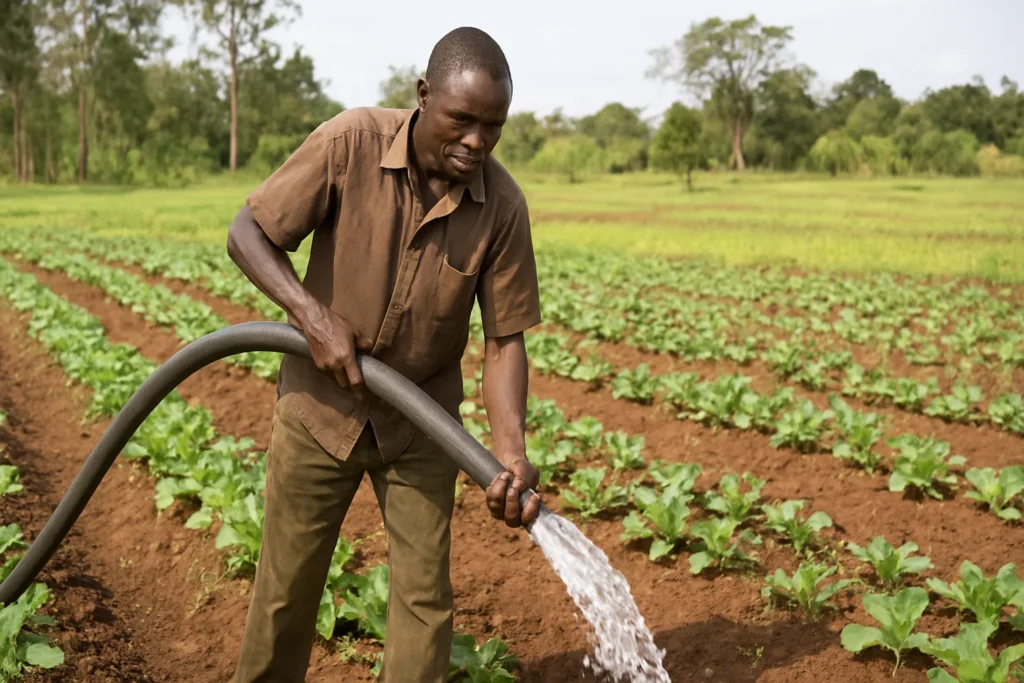
For countless generations, life across the Ugandan countryside moved in sync with the predictable, restorative bimodal rainfall patterns. The rhythm of the agricultural year was a sacred, reliable calendar that dictated every aspect of rural life. Smallholder farmers like Daniel Muyomba, based in the Luwero district’s Kijjukira village, planned everything—the planting of staple crops like maize, beans, and bananas, the timing of harvests, and even major family expenditures—around the expectation of two dependable rainy seasons. They prepared the soil with hope, nurtured crops through the steady wet months, and reaped the harvest before the dry spells returned.
The knowledge of when to plant was passed down through generations like a precious family heirloom. Elders would observe the flowering of specific trees, the behavior of birds, and the direction of winds to predict the onset of rains with remarkable accuracy. This intricate understanding of nature’s signals formed the bedrock of agricultural decision-making for centuries. Communities developed entire cultural practices and social calendars around these predictable patterns, with ceremonies to welcome the rains and festivals to celebrate harvests.
However, in the last two decades, this ancestral wisdom has become obsolete. The subtle shifts of global warming have manifested as extreme volatility locally. Climate change has fundamentally dismantled traditional agricultural patterns, transforming the once-reliable seasonal rains into a devastatingly high-stakes gamble. The dry seasons are now longer and more intense, and the wet seasons are often characterized by destructive, short bursts of rainfall followed by prolonged dry periods that leave crops struggling to survive.
Scientific data confirms what farmers have been experiencing firsthand. According to the Uganda National Meteorological Authority, the country has seen a 15% reduction in overall rainfall since the 1980s, while the frequency of extreme weather events has increased by 30%. The once-predictable March-to-May and September-to-November rainy seasons now feature erratic starts, premature endings, and inconsistent distribution that leaves some areas flooded while others remain parched.
Daniel, whose family belongs to the estimated 70% of Uganda’s workforce reliant on agriculture, vividly recounts the torment: “The short rains would come and deceive us. We’d plant everything, investing our last shilling in seeds and fertilizer, only for the dry spells to stretch for weeks, arriving precisely when the crops needed water to survive the critical flowering stage.” He remembers watching, helplessly, as his entire season’s investment and his family’s projected food supply withered away under the relentless sun. The emotional toll of these repeated failures is immeasurable, with farmers describing feelings of powerlessness and despair as they watch their livelihoods literally dry up before their eyes.
This narrative of repeated failure and vulnerability is the stark reality for millions across Uganda, where unpredictable dry spells annually decimate potential harvests, reinforcing a vicious cycle of poverty and subsistence farming. The economic impact extends far beyond individual farms, affecting local markets, food prices, and national food security. When smallholder farmers struggle, the entire agricultural value chain suffers, from input suppliers to traders, processors, and ultimately consumers who face higher prices for scarce commodities.
The vulnerability of this rain-fed system demanded an immediate, systemic response. The question for the government became not merely how to help farmers survive the next drought, but how to permanently transition them from being victims of the climate to becoming masters of their water supply. The answer emerged through a massive commitment to expanded, technologically advanced irrigation subsidies and carefully structured support programs tailored for the smallholder economy. This represented a fundamental reimagining of agriculture in Uganda—from a sector dependent on nature’s generosity to one managed through human ingenuity and technological intervention.
A Nation Takes Decisive Action: Laying the Foundation for Uganda’s Irrigation Revolution
The Ugandan government recognized that true national economic stability and resilience hinged on protecting its agrarian base. With agriculture employing the majority of the population and contributing significantly to GDP, the sector’s vulnerability to climate change represented not just an environmental challenge but a fundamental threat to national development. Securing the country’s food sovereignty was elevated to a strategic national objective, comparable in importance to infrastructure development, education, and healthcare.
This commitment was formalized in the National Irrigation Policy, a bold declaration that set the nation on a transformative path: the ambitious, long-term goal to develop and operationalize 1.5 million hectares of irrigated land by 2040. This target, equivalent to approximately 15% of Uganda’s total arable land, signifies a profound philosophical shift—a move from treating irrigation as a marginal, commercial luxury to embracing it as the essential, non-negotiable component of modern, climate-resilient agriculture. The scale of this ambition cannot be overstated; it represents one of the most comprehensive irrigation expansion programs in sub-Saharan Africa.
The policy development process involved extensive consultation with a wide range of stakeholders. Technical experts from agricultural research institutions contributed their knowledge of appropriate technologies and water management practices. Economists analyzed the financial viability and economic returns of different irrigation approaches. Sociologists and gender specialists ensured that the program design would be inclusive and address the specific needs of women farmers, who play a crucial role in agricultural production but often face barriers to accessing resources. Most importantly, smallholder farmers themselves were consulted extensively, their experiences and insights shaping the program’s practical implementation strategies.
This national effort is principally driven by the Uganda Intergovernmental Fiscal Transfer Program (UgIFT). This comprehensive program strategically allocates funds, including a dedicated Micro-scale Irrigation Initiative, through local government channels (districts). The choice to work through districts was intentional, recognizing that local governments have better understanding of community needs and can ensure that interventions are appropriately tailored to local conditions. Launched initially across 40 districts in the 2021/22 financial year, it quickly expanded to cover 66 districts, demonstrating the government’s accelerating political will and the program’s perceived effectiveness.
The program was designed to dismantle the primary obstruction to modernization: the exorbitant initial capital outlay required for pumps, piping, and modern water application systems—a cost that typically places sophisticated irrigation technology beyond the reach of the vast majority of smallholder families. For a typical smallholder farmer earning less than $2 per day, the several million shilling investment required for even a basic irrigation system represented an impossible barrier, no matter how clear the potential benefits might be.
The UgIFT program is founded on a principle of shared risk and investment, known as the partnership model. “The government cannot do this alone, and the farmers cannot do this alone,” stated James Kasozi Tondo, Principal Engineer for Farm Structures and Energy at the Ministry of Agriculture, Animal Industry and Fisheries (MAAIF). “By sharing the cost, we ensure that the technology is accessible, but critically, we also ensure that the farmer has a real stake in the investment, promoting ownership, careful use, and long-term maintenance.” This co-funding approach is what transforms a simple handout into a sustainable, shared economic commitment that respects farmers as partners in development rather than passive recipients of aid.
The program’s design also reflects important lessons learned from previous agricultural interventions. Rather than focusing solely on input distribution, it incorporates comprehensive support services including technical training, maintenance support, and market linkages. This holistic approach recognizes that providing equipment is only the first step; farmers also need the knowledge and skills to use it effectively and the economic opportunities to make their investment profitable.
The Micro-Scale Solution: Technical Design and Financial Engineering for Accessibility
The Micro-scale Irrigation Program is a masterstroke of design, precisely calibrated for the economic realities of the typical Ugandan smallholder, who often cultivates plots of up to 2.5 acres (1 hectare). Its focus is not on massive, high-tech, centralized schemes, but on empowering the individual farmer with their own reliable, deployable technology. This decentralized approach recognizes that Uganda’s agricultural landscape is dominated by smallholdings, and that solutions must be scalable, affordable, and manageable at the household level.
The technological options available through the program reflect a sophisticated understanding of Uganda’s diverse agro-ecological zones and varying water availability. For farmers with access to shallow groundwater or located near water sources, treadle pumps offer a low-cost, energy-independent solution that requires no fuel or electricity. For those with larger plots or greater water lifting needs, solar-powered pumps provide a clean, sustainable alternative to expensive diesel systems, with the added advantage of zero operational fuel costs. Drip irrigation kits—which deliver water directly to plant roots with minimal waste—are promoted in arid regions where water conservation is critical. And for farms with access to gravity flow water sources, simple pipe systems can distribute water across fields without any energy input at all.
The equipment typically includes durable, high-efficiency diesel or solar pumps, drip irrigation kits, or low-pressure sprinklers, drawing water from nearby, individually secured sources like wells, small reservoirs, or rehabilitated community water points. The selection of appropriate technology is not left to chance; agricultural extension officers work closely with farmers to assess their specific conditions—including water source characteristics, topography, soil type, and crop choices—to recommend the most suitable system. This technical guidance is crucial to ensure that the installed systems actually meet farmers’ needs and perform reliably over time.
The program’s financial mechanics employ a sophisticated matching grant scheme, offering a significant buffer against the total equipment cost. The government’s contribution is flexible, ranging from 25% to 75% of the total expense, capped at a maximum subsidy of 7.2 million Ugandan Shillings per acre (approximately $1,900 USD, depending on exchange rates). This sliding scale is not arbitrary; it’s carefully calibrated based on poverty indicators, with farmers in poorer districts qualifying for higher levels of support. Similarly, farmers facing more challenging conditions—such as difficult terrain or limited water access—receive higher subsidies to account for the additional costs of making irrigation feasible in their context.
A strategic incentive is built into the model to promote long-term environmental and financial sustainability: for farmers who select solar-powered pumping systems—an option that eliminates recurring fuel costs and carbon emissions—the government provides the maximum contribution of 75% of the total cost, leaving the farmer responsible for only 25%. This aggressive subsidy for solar not only drives clean energy adoption but also dramatically lowers the operational costs for the farmers. The wisdom of this approach is evident in the growing adoption of solar irrigation systems, which now account for approximately 40% of all installations under the program.
| Farm Conditions & Equipment Choice | Government Contribution | Farmer Contribution | Maximum Government Support per Acre | Strategic Rationale |
|---|---|---|---|---|
| Standard systems (Diesel/Electric) | 25% – 75% | 75% – 25% | 7.2 million Shillings | Flexibility based on need and location. |
| Solar-powered systems | 75% | 25% | 7.2 million Shillings | Incentivizing clean energy and low operating costs. |
| Drip irrigation systems | 50% – 75% | 50% – 25% | 7.2 million Shillings | Promoting water efficiency in water-scarce areas. |
| Gravity-fed systems | 50% – 75% | 50% – 25% | 7.2 million Shillings | Supporting appropriate technology for hilly areas. |
This tiered financial model, accounting for variables like the difficulty of water access and the type of technology chosen, is key to the program’s equity. Crucially, the government funds the necessary complementary extension services—training farmers not just to operate the equipment, but to master efficient water management, crop scheduling, and integrated pest management under irrigated conditions. This specialized training is what converts the equipment from a simple tool into a catalyst for professional, high-yield farming. Farmers learn how to determine crop water requirements, schedule irrigation to maximize efficiency, maintain their systems, and even conduct basic repairs—skills that ensure the long-term sustainability of their investment.
The application and implementation process is designed to be transparent and accessible. Farmers apply through their local district agricultural office, where technical staff assess their eligibility based on predetermined criteria including farm size, water access, and socioeconomic status. Successful applicants then work with agricultural engineers to select the most appropriate technology for their specific context. The entire process—from application to installation—typically takes 2-4 months, with efforts underway to streamline it further to reduce waiting times for farmers.
From Paper to Field: Addressing the Friction of Implementation
The implementation journey for such a monumental, decentralized program was expectedly turbulent. Translating a well-designed policy into tangible results on thousands of scattered smallholdings presented challenges that could not be fully anticipated during the planning phase. These implementation hurdles provided valuable lessons that have shaped the program’s evolution and improved its effectiveness over time.
Initial uptake fell significantly short of targets, revealing a gap between program design and ground realities. The 2022/23 financial year, for instance, saw only 825 micro-scale irrigation equipment installations achieved against a projected target of 2,783. Furthermore, local government audits revealed poor budget absorption, with only 42% utilization of the disbursed funds in the first year, and districts like Kabale having to return over Shs 300 million to the national treasury due to a lack of successful farmer applications. These disappointing results prompted a thorough investigation into the underlying causes.
The primary, recurrent bottleneck identified was the cash co-funding requirement. While the subsidy covered most of the equipment cost, the remaining farmer contribution—typically ranging from several hundred thousand to over a million shillings—proved insurmountable for many of the intended beneficiaries. Erastus Kibirango, the Luwero LC5 Chairman, succinctly articulated the challenge: “For a farmer operating on a season-to-season cash flow, even 25% of the total cost—often requiring several million shillings upfront—is an insurmountable barrier. They could not raise the liquidity between harvest seasons, and without access to credit, they were effectively excluded from the program despite their eligibility.”
The solution emerged not from a top-down mandate, but through district-level financial innovation. Luwero district pioneered a new model by proactively linking eligible farmers to local commercial banks and micro-finance institutions for credit. This strategic partnership allowed farmers to secure small, affordable loans to cover their 25% contribution, effectively bridging the liquidity gap while safeguarding the principle of shared investment. The impact was immediate and dramatic: Luwero’s beneficiaries surged from a handful in the initial years to 120 successful installations in the 2024/25 period, proving the efficacy of financial facilitation.
Other districts developed their own innovative approaches based on local contexts. In Nakasongola, district officials worked with farmer cooperatives to establish group guarantee systems that enabled members to access credit collectively. In Masaka, local leaders organized “irrigation fairs” where farmers could interact directly with equipment suppliers and financial institutions, demystifying the technology and financing options. These locally-grown solutions demonstrated the importance of allowing flexibility in implementation to accommodate regional differences.
Technical support emerged as another critical challenge. Early monitoring revealed that approximately 15% of installed systems developed minor technical problems within the first year—issues like leaking joints, clogged filters, or disconnected wiring. Without access to timely repair services, these minor issues could render entire systems useless, undermining farmer confidence in the technology and wasting public investment. The problem was particularly acute in remote areas where technical expertise was scarce.
In response to these challenges, the Auditor General’s 2023/24 report delivered critical recommendations, which are now being integrated into policy: improving the targeting mechanism to reach the most resource-poor smallholders, mandatory pre-rollout affordability assessments, and establishing long-term service agreements with designated irrigation suppliers for reliable maintenance and repair networks—a major issue given the technical nature of the equipment. These adaptive measures have allowed the program to be extended and refined through December 2025.
The program also evolved to address water resource management concerns. As irrigation expanded in certain areas, competition for water resources intensified, particularly during dry seasons. This led to the integration of water user associations into the program, empowering farmers to collectively manage local water resources and establish rules for sustainable withdrawal. In some cases, the program supported the construction of small-scale water storage infrastructure, such as farm ponds and valley tanks, to capture rainwater during wet seasons for use during dry periods.
Beyond Government: The Entrepreneurial Surge in Private Irrigation Solutions
While public subsidies form the bedrock of the expansion, a dynamic private sector is rapidly innovating to serve farmers who cannot, or prefer not to, participate in the grant scheme. These private models are vital for market competition and speed of delivery, offering alternative pathways to irrigation access that complement government efforts. The emergence of this vibrant private ecosystem represents a healthy maturation of Uganda’s irrigation market, providing farmers with multiple options tailored to different needs and circumstances.
A brilliant example is Agriworks Uganda, which conceived the revolutionary “Irrigation as a Service” model. Founder Abraham Salomon realized that the farmers’ real need was water delivery, not equipment ownership. After spending time with farmers in central Uganda, he observed that many were hesitant to invest in irrigation equipment due to the high upfront cost, maintenance concerns, and uncertainty about whether the technology would work in their specific context. More fundamentally, he recognized that for many smallholders, the problem wasn’t just affording the equipment, but managing the risk associated with such a significant investment.
By mounting robust, high-capacity mobile irrigation systems on ubiquitous bodaboda motorcycles, Agriworks created a pay-per-use, Uber-style service. Farmers can rent the mobile pump and piping for a few hours, getting the critical water they need without any upfront capital investment, debt burden, or maintenance risk. “Farmers could now suddenly irrigate during the dry season—the precise time when market scarcity meant crop prices were at their peak,” Salomon noted. This system leverages Uganda’s dense informal transport network for highly localized, rapid service delivery. The model has proven particularly popular among vegetable growers who need reliable water for their high-value crops but lack the capital to purchase their own systems.
Complementing this are firms like Sprinktech, which focus on highly durable, movable, modular irrigation systems powered by small solar units. Their systems are designed specifically for community-level sharing, allowing five to ten neighboring smallholders to jointly own and operate the equipment, further reducing the per-farmer cost. The intentional design prioritizes simplicity and robust engineering, making the systems user-friendly and technically accessible, which is crucial for empowering the large cohort of women farmers who often manage the day-to-day operations. Sprinktech’s approach also includes comprehensive training and ongoing technical support, addressing the maintenance challenge that has plagued many technology adoption programs in rural areas.
The private sector innovation extends beyond service delivery to include financing solutions. Companies like “Juhudi Kilimo” have developed specialized lease-to-own arrangements that allow farmers to access irrigation equipment with minimal upfront payment. Under these arrangements, farmers make regular payments based on their harvest cycles, eventually owning the equipment after 2-3 years. This model aligns repayment with agricultural cash flows, making irrigation more financially manageable for smallholders who experience seasonal income patterns.
Equipment suppliers have also adapted their business models to better serve the smallholder market. Recognizing that farmers need ongoing support, many now offer service contracts that include regular maintenance and prompt repairs. Some have established networks of local agents who can provide basic troubleshooting and spare parts, reducing downtime when systems develop problems. These after-sales services are crucial for building farmer confidence in irrigation technology and ensuring its long-term utilization.
The growth of this private irrigation sector has created new economic opportunities beyond farming itself. A new class of rural entrepreneurs has emerged—including irrigation technicians, spare parts dealers, and installation specialists—who provide services to farmers with irrigation systems. This ecosystem of supporting businesses not only creates non-farm employment but also ensures that farmers can access the expertise they need to keep their systems operational. The development of this support ecosystem represents a crucial step toward the sustainable maturation of Uganda’s irrigation market.
Building Comprehensive Climate Resilience: The Integrated Ecosystem Strategy
The nation’s strategy rightly acknowledges that irrigation technology is a critical tool, but not a solitary solution. True climate resilience demands an integrated, holistic approach that addresses environmental degradation alongside agricultural production. This realization led to the establishment of major multi-sectoral initiatives like the Irrigation for Climate Resilience Project (ICRP), which represents a more sophisticated, second-generation approach to agricultural adaptation that recognizes the interconnectedness of water, land, and forest resources.
This substantial World Bank-funded project, currently operationalizing across several regions, is a testament to the multi-pronged strategy. It couples the installation of advanced irrigation infrastructure with robust afforestation campaigns, soil and water conservation structures (like terraces and check dams), aggressive wetland and riverbank restoration, and the promotion of climate-smart alternative income-generating activities. The integration of these components reflects an understanding that irrigation systems can only be sustainable if the broader ecosystem that supports water availability is also healthy and resilient.
As emphasized by a representative from the Ministry of Water and Environment, the ICRP is a comprehensive effort: “It is not just a civil engineering project; it’s an ecological and social project aimed at protecting our natural capital, reversing land degradation, and ensuring the water sources we rely on for irrigation are themselves sustained for the long term.” This holistic vision represents a significant evolution from earlier approaches that focused narrowly on water extraction without sufficient consideration of watershed management.
The project’s afforestation component targets the restoration of critical watershed areas, particularly on hillsides and in riparian zones where vegetation plays a crucial role in regulating water flow, reducing erosion, and maintaining water quality. Farmers are encouraged to plant native tree species that enhance biodiversity while also providing potential economic benefits through fruit, timber, or medicinal products. This approach recognizes that conservation efforts are more sustainable when they also contribute to livelihoods.
Soil and water conservation measures form another critical pillar of the integrated approach. Using both modern engineering and indigenous knowledge, the project promotes the construction of terraces, contour bunds, and water retention structures that reduce runoff and increase water infiltration. These measures not only conserve water but also protect the valuable topsoil that is essential for agricultural productivity. Farmers are trained in sustainable land management practices that maintain soil health over the long term, reducing the need for external inputs and enhancing the natural resilience of their farming systems.
Furthermore, the project rigidly prioritizes gender equality and social inclusion. Specific targets ensure that vulnerable groups—including women-headed households, marginalized youth, and disabled persons—are actively involved in the planning, implementation, and benefit-sharing of resilience measures. This deliberate inclusion strengthens community cohesion and ensures that the benefits of stability are widely distributed. Special measures are implemented to address the specific barriers that women face in accessing resources, participating in decision-making, and benefiting from agricultural investments. Gender-sensitive approaches include scheduling meetings at times convenient for women, ensuring women’s representation on water user committees, and providing targeted training to build women’s technical capacity.
The ICRP also includes a strong focus on alternative livelihood options, recognizing that climate resilience requires economic diversification. Farmers are trained in beekeeping, fish farming, fruit processing, and other activities that can provide income during dry seasons or when crops fail. This diversification reduces households’ dependence on rain-fed agriculture and provides a safety net during climate shocks. The integration of these complementary activities makes the entire resilience package more robust and sustainable.
Monitoring and evaluation systems track not just the installation of irrigation infrastructure but also broader environmental and social indicators. Water quality, groundwater levels, vegetation cover, and soil health are regularly assessed to ensure that the irrigation expansion does not come at the expense of environmental degradation. Similarly, social indicators track changes in food security, income diversity, and women’s empowerment to ensure that the project delivers meaningful improvements in people’s lives.
The Human Face of Transformation: Economic and Social Empowerment
The expansion of irrigation support is having a particularly profound and positive impact on the social and economic status of women farmers. Historically, women have managed the majority of smallholder food production but have faced immense barriers in accessing land ownership, credit, and modern agricultural inputs. The traditional division of labor in rural Uganda often assigns women responsibility for food crops while men control cash crops, resulting in women having less access to the income generated from agricultural production and fewer resources to invest in productivity-enhancing technologies.
The introduction of simple, movable, and solar-powered irrigation systems, as championed by companies like Sprinktech, is a powerful equalizer. Because the systems are lightweight and simple to operate, they bypass traditional gendered barriers to operating complex machinery. “The ease of operation allows women to take control of a high-value resource—water—which translates directly into greater influence over farming practices, crop choice, and household income decisions,” notes a report on gender and irrigation. This control directly leads to more sustainable, resilient, and better-managed farm units. When women control irrigation resources, they tend to prioritize household food security alongside commercial production, leading to more diverse farming systems that include both staple foods and market vegetables.
The story of Annet Nalwadda, a farmer in Masaka district, illustrates this transformation. “Before I received the drip irrigation kit, I had to depend on my husband to decide when we would water the crops,” she explains. “Now, I make those decisions myself. I can see when the plants need water and I can provide it immediately. My vegetable garden is now the most productive part of our farm, and the money I earn from selling the surplus is mine to manage. I’ve used it to pay school fees for my children and to invest in a small retail business that provides additional income during the dry season.”
The economic upliftment following reliable water access is dramatic and transforms livelihoods. Farmers can reliably shift their cropping strategy toward higher-value, market-responsive crops such as fruits (e.g., pineapples, passion fruit), vegetables (e.g., tomatoes, cabbages), and specialty coffee. Crucially, they can now produce during the four- to five-month dry season, precisely when market prices peak due to scarcity. This ability to harvest twice or even thrice a year, selling at premium prices, is fundamentally boosting annual incomes and allowing families to invest in education, healthcare, and diversified income streams.
Research conducted by the Economic Policy Research Centre has documented these economic impacts systematically. Their longitudinal study of 500 irrigation beneficiaries found an average income increase of 180% over two years, compared to only 15% among a control group of non-adopters. Perhaps more importantly, the study found that irrigation adoption led to significant improvements in household resilience—families were better able to withstand economic shocks, maintain food security during lean seasons, and invest in children’s education. The additional income enabled investments not only in consumption but also in productive assets, creating a virtuous cycle of accumulation and improvement.
The social impacts extend beyond individual households to community dynamics. As farmers gain control over their water supply, they become less dependent on rain-fed agriculture and more confident in making long-term investments in their land. This shift from subsistence to commercial orientation changes how farmers view themselves and their profession. No longer passive victims of climate variability, they become active managers of agricultural enterprises, making strategic decisions about crop selection, input use, and market engagement. This psychological shift is as important as the technological transformation in building climate resilience.
The program has also had intergenerational impacts, making agriculture more attractive to younger people who might otherwise migrate to urban areas in search of employment. The integration of technology—particularly solar power and mobile-based monitoring systems—resonates with tech-savvy youth, who see new opportunities in modernized agriculture. Several districts have reported increased youth participation in farming where irrigation has been introduced, slowing rural-urban migration and bringing new energy and ideas to the agricultural sector.
Challenges and The Critical Path Ahead
Despite the overwhelming positive momentum, Uganda’s irrigation revolution is not without persistent challenges. The sheer scale and speed of the rollout have introduced inefficiencies that require ongoing attention and adaptive management. Successfully navigating these challenges will determine whether the program achieves its transformative potential or falls short of its ambitious goals.
Critics note that the top-down design of some subsidy processes has, at times, led to poor alignment between the equipment supplied and the farmer’s specific, localized needs. There have been instances where farmers received systems that were inappropriate for their water sources, terrain, or cropping patterns. As one agricultural analyst observed, “Sometimes, they receive equipment or associated inputs they do not actually need, hindering rather than helping the adoption process.” For example, farmers in areas with limited water resources may receive high-volume pumps that quickly deplete their water sources, while those in remote areas without access to maintenance services may receive complex systems that they cannot repair when they break down.
Addressing this mismatch requires greater farmer participation in technology selection and program design. Some districts have begun establishing farmer advisory committees that provide input on equipment specifications and implementation processes. Others are experimenting with voucher systems that allow farmers to choose from a menu of approved technologies rather than receiving predetermined packages. These participatory approaches help ensure that the solutions provided actually match farmers’ needs and contexts.
Furthermore, the backbone of sustained adoption—extension service support—remains severely underfunded and understaffed. Uganda still struggles with a cripplingly low ratio of 1 extension worker to an average of 2,000 to 3,000 farmers, far short of the internationally recommended 1:500. This massive deficit means thousands of new irrigation adopters lack the crucial, ongoing technical advice necessary to maximize the efficiency and yield of their investments. Without adequate support, farmers may use their irrigation systems suboptimally—applying too much or too little water, using inappropriate scheduling, or failing to maintain their equipment properly.
Innovative approaches are emerging to address this extension gap. Some districts are training “lead farmers” who then provide basic guidance to their neighbors. Others are leveraging digital technologies, using mobile platforms to deliver extension messages and video tutorials. Private sector actors are also filling the void, with equipment suppliers providing training as part of their service packages. However, these piecemeal solutions are insufficient to meet the massive need, and a more systematic approach to strengthening the agricultural extension system is required.
Finally, environmental trade-offs require constant vigilance. The increase in agricultural productivity, if not carefully managed, can inadvertently lead to the increased use of intensive agrochemicals or the expansion of farming into fragile ecosystems. There are already reports of soil nutrient mining in some areas where farmers have intensified production without adequate soil fertility management. In other regions, the concentration of irrigation systems in specific watersheds has led to competition over water resources, particularly during dry seasons.
Sustainable irrigation expansion requires a careful regulatory balance that couples productivity gains with strict environmental stewardship and resource protection. Policy experts like Jane Nalunga and Jonathan Lubega of SEATINI emphasize that subsidy programs must be reformed to “fully support the entire value chain, from the correct input to the final market linkage,” requiring seamless coordination between government agencies, the private sector, and the farmers themselves. This includes strengthening water governance institutions, promoting sustainable agricultural practices, and ensuring that environmental considerations are integrated into all aspects of program design and implementation.
Looking ahead, the program must also address issues of scalability and financial sustainability. While the current subsidy model has proven effective in driving initial adoption, it relies heavily on public funding that may not be sustainable at scale. Developing innovative financing mechanisms—such as blended finance models that combine public and private capital—will be crucial for expanding the program beyond its current reach. Similarly, as the number of irrigation systems grows, ensuring a robust supply chain for spare parts and maintenance services becomes increasingly important to prevent a buildup of non-functional systems.
Watering the Future: The Enduring Vision for Uganda’s Agricultural Economy
As Uganda commits to and executes its vision for agricultural transformation, the expansion of reliable, subsidized irrigation support to its millions of smallholder farmers represents an act of national self-determination. It is a powerful statement that the country will not allow its future to be dictated by the unpredictable forces of global climate change. Rather, through strategic investment, technological innovation, and human capital development, Uganda is taking control of its agricultural destiny, building a future where food security is guaranteed, rural livelihoods are prosperous, and the agricultural sector becomes a engine of inclusive economic growth.
The sustained success relies on the dynamic partnership model—a fluid collaboration involving government investment, private sector innovation (from solar pumps to ‘Irrigation as a Service’), and, most critically, the farmer’s financial and physical investment. This synergy has proven far more effective and sustainable than any pure subsidy program could ever be. As Eddie Zziwa, Chairperson of the Luwero District Production and Natural Resources Committee, concluded, the evidence is in the fields: “Farmers who successfully adopted irrigation reported doubled year-round production, immediate income stability, and the return of dignity that comes from controlling your own destiny.”
The economic case for continued investment in irrigation is compelling. Cost-benefit analyses conducted by the Ministry of Agriculture indicate that the returns on irrigation investments significantly outweigh the costs, with benefit-cost ratios typically ranging from 2:1 to 3:1 depending on the crop and technology. These returns include not only the direct agricultural production increases but also the broader economic benefits—reduced poverty, improved food security, job creation in supporting industries, and reduced vulnerability to climate shocks. As the program scales, these economic benefits are expected to multiply, creating a virtuous cycle of investment, productivity growth, and rural development.
The journey of refinement continues, marked by continuous learning—from the initial struggles with low uptake to the current implementation of innovative district-bank partnerships and targeted social inclusion strategies. Uganda’s irrigation expansion demonstrates how adapting to local conditions and placing the needs of the smallholder farmer at the center of policy leads to the most resilient and effective outcomes. This learning process is institutionalized through regular monitoring and evaluation, stakeholder feedback mechanisms, and a culture of adaptive management that allows the program to evolve based on experience rather than sticking rigidly to initial blueprints.
Looking toward the future, several frontiers will shape the next phase of Uganda’s irrigation transformation. Digital agriculture presents particularly promising opportunities, with the potential to make irrigation more precise, efficient, and manageable. Sensor-based systems that monitor soil moisture and automate irrigation scheduling can optimize water use while reducing labor requirements. Mobile platforms can provide farmers with real-time information on weather, markets, and best practices. As these technologies become more affordable and accessible, they could revolutionize smallholder irrigation, making it even more productive and sustainable.
Another critical frontier concerns the integration of irrigation with other agricultural development initiatives. The full benefits of irrigation are realized when it is combined with improved seeds, appropriate fertilization, integrated pest management, and access to reliable markets. Creating these synergies requires breaking down silos between different government agencies, development partners, and private sector actors to deliver integrated solutions that address the multiple constraints facing smallholder farmers.
As the nation marches toward its 2040 irrigation goals, the sight of a small farmer like Daniel Muyomba watching his crops flourish in the dry season, completely independent of the fickle skies, affirms that Uganda’s agricultural future is not only growing, but is fundamentally secured by water. This transformation extends beyond economics to encompass human dignity, environmental sustainability, and national self-reliance. By taking control of their water security, Uganda’s smallholder farmers are not just adapting to climate change—they are pioneering a new model of resilient, productive, and inclusive agriculture that offers lessons for the entire continent.


I don’t think the title of your article matches the content lol. Just kidding, mainly because I had some doubts after reading the article.
I don’t think the title of your article matches the content lol. Just kidding, mainly because I had some doubts after reading the article. https://www.binance.bh/futures/ref?code=JW3W4Y3A
Your point of view caught my eye and was very interesting. Thanks. I have a question for you.