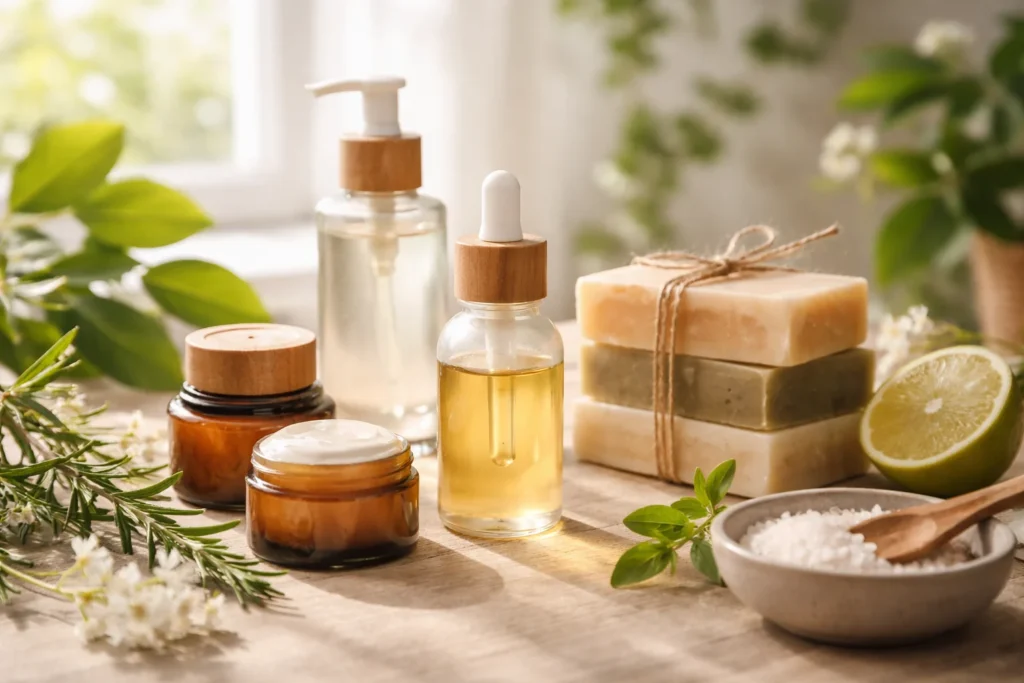

I. The Historical Foundations of Natural Skincare: From Ancient Apothecaries to Modern Laboratories
1.1 The Pre-Industrial Beauty Landscape: A Global Tapestry of Botanical Wisdom
The human relationship with botanical skincare spans millennia, forming an unbroken chain of indigenous knowledge passed through generations. This history reveals not mere cosmetic practices but sophisticated dermatological systems developed independently across continents, each perfectly adapted to local environments and resources.
In Ancient Egypt, circa 3000 BCE, beauty rituals were inextricably linked with spirituality, hygiene, and social status. The Ebers Papyrus (1550 BCE) documents over 850 plant-based remedies, including aloe vera for burns, castor oil for hair growth, and sesame oil as a moisturizing base. Egyptian nobility used dead sea salt scrubs for exfoliation, clay masks from the Nile River for purification, and fragrant oils like frankincense and myrrh for both scent and preservation. Cleopatra’s legendary milk baths contained lactic acid for gentle exfoliation, while her kohl eyeliner made from galena (lead sulfide) offered questionable sun protection but demonstrated early recognition of eye-area sensitivity.
Traditional Chinese Medicine developed an entirely different but equally sophisticated approach around the concept of Qi (vital energy) and balance between Yin and Yang. The Shennong Ben Cao Jing (circa 200 BCE) classified over 350 plant materials for medicinal and cosmetic use. Ginseng root was prized for its revitalizing properties, pearl powder for brightening, and green tea for its antioxidant capacity. Chinese aristocrats practiced intricate multi-step routines using rice water for cleansing, chrysanthemum infusions for soothing irritation, and silkworm cocoon extracts for their fibrous protein content to improve skin texture.
Ancient Ayurveda in the Indian subcontinent created perhaps the most comprehensive system, categorizing skin into three Dosha types: Vata (dry), Pitta (sensitive), and Kapha (oily). Each required specific botanical regimens: sandalwood and rose water for Pitta inflammations, sesame oil and ashwagandha for Vata dryness, and neem, turmeric, and clay for Kapha congestion. The Ayurvedic text Charaka Samhita (300 BCE) details formulations using haritaki fruit for detoxification, brahmi leaf for its anti-inflammatory properties, and kumkumadi oil containing saffron for pigmentation correction.
Greco-Roman practices blended local Mediterranean herbs with trade route acquisitions. Galen (129-216 CE), physician to Roman emperors, created “cold cream” from rose water, olive oil, and beeswax—a formula that persisted virtually unchanged for 1800 years. Romans valued lavender from Provence for its calming scent, olive oil from Greece as a moisturizer, and rose petals from Persia for their hydrating and aromatic qualities. Public baths featured strigils for scraping oil and dirt from skin, followed by application of herb-infused unguents.
Indigenous North American tribes developed extensive dermatological knowledge using local flora: witch hazel as an astringent, jewelweed for poison ivy relief, prickly pear cactus for hydration, and white oak bark for inflammatory conditions. These practices were often spiritually integrated, with specific harvesting rituals and gratitude practices acknowledging plant spirits.
African traditions varied dramatically by region but shared deep knowledge of local resources: shea butter from the Sahel, marula oil from Southern Africa, argan oil from Morocco, and baobab fruit powder rich in vitamin C. These were often prepared through labor-intensive traditional methods that preserved nutrient integrity, like cold-pressing and sun-infusing.
1.2 The Industrial Disruption: How Chemistry Redefined Beauty
The 19th and early 20th centuries witnessed a profound shift as industrial chemistry began replacing botanical preparations with standardized, shelf-stable synthetics. Several factors drove this transformation:
Scientific Reductionism isolated “active” compounds, dismissing the complex phytochemical synergies in whole plant extracts. When salicylic acid was identified in willow bark (1838), chemists began synthesizing it rather than using willow extracts, believing the pure compound was superior to the “impure” natural source.
Mass Production Demands favored ingredients with consistent quality and indefinite shelf life. Petroleum derivatives like mineral oil and petroleum jelly (discovered 1859) offered inexpensive, stable alternatives to plant oils that could vary by harvest and spoil relatively quickly.
Globalization of Supply Chains made exotic botanicals less economically viable than locally produced synthetics. Why ship tung oil from China when linseed oil could be produced domestically? Why depend on Brazilian carnauba wax when paraffin wax could be manufactured from coal?
Advertising and Modernity positioned synthetic products as scientifically advanced, while natural remedies were framed as old-fashioned “grandmother’s recipes.” Early beauty magazines promoted vanishing creams with titanium dioxide, hair dyes with paraphenylenediamine, and permanent waves with ammonium thioglycolate as marvels of modern science.
Regulatory Gaps allowed new chemicals to enter consumer products with minimal safety testing. The U.S. Food and Drugs Act of 1906 focused primarily on adulteration rather than safety, while the 1938 Food, Drug, and Cosmetic Act established some standards but grandfathered in many existing ingredients without rigorous evaluation.
By the 1950s, the transformation was nearly complete: the average American medicine cabinet contained predominantly synthetic products, and botanical knowledge was disappearing from mainstream culture, preserved mainly in ethnobotanical records and traditional communities.
1.3 Counterculture Resurgence: The 1960s-1990s Reawakening
The natural skincare movement’s modern revival began not in laboratories but in social movements questioning industrial consumerism:
The 1960s Back-to-the-Land Movement saw young people rejecting synthetic products in favor of homemade alternatives. Books like “The Foxfire Book” (1972) documented Appalachian folk remedies, while cooperatives like The Bread and Puppet Theater in Vermont sold “political cosmetics” made from local herbs and beeswax.
Feminist Health Movements of the 1970s encouraged women to understand and control what they put on their bodies. “Our Bodies, Ourselves” (1973) included recipes for natural skincare, while collectives like the Feminist Women’s Health Centers offered workshops on making herbal tinctures and infused oils.
Environmental Awareness growing from books like “Silent Spring” (1962) raised concerns about chemical accumulation in ecosystems and bodies. The Whole Earth Catalog (1968-1972) provided tools for self-sufficient living, including instructions for soapmaking, herbal extractions, and distillation of essential oils.
Early Natural Brands emerged in this period, though distribution remained limited to health food stores and mail order: Aubrey Organics (1967), Dr. Hauschka (1967 in Europe, 1979 in US), Tom’s of Maine (1970), Burt’s Bees (1984), and Jurlique (1985 in Australia). These companies faced significant challenges with preservation, texture, and consumer education in a market accustomed to synthetic performance standards.
Regulatory Milestones began addressing safety concerns: The U.S. Toxic Substances Control Act (1976), the European Union’s Cosmetic Directive (1976), and California’s Proposition 65 (1986) created frameworks for chemical regulation, albeit with significant limitations.
By the 1990s, natural skincare remained a niche market but had established distribution channels, formulation expertise, and a dedicated consumer base that would provide the foundation for explosive 21st-century growth.
II. The Consciousness Revolution: Understanding the 21st Century Natural Skincare Consumer
2.1 The Information Empowerment Paradigm
The digital revolution fundamentally transformed how consumers relate to skincare products, creating what market researchers call “the informed imperative“—the expectation that complete ingredient and sourcing information should be accessible before purchase.
Ingredient Databases like the Environmental Working Group’s Skin Deep (2004) and the European Commission’s CosIng database allowed consumers to research chemical safety profiles, creating unprecedented transparency in an historically opaque industry. Suddenly, a parent could look up the comedogenic rating of isopropyl myristate or the endocrine disruption potential of oxybenzone while standing in a store aisle.
Consumer Review Platforms (MakeupAlley 1999, Influenster 2010, Beautypedia) created crowdsourced efficacy data that challenged marketing claims. When hundreds of users reported that a “natural” brand’s preservative system caused irritation, or that a certain plant extract genuinely improved hydration, this collective intelligence became more influential than celebrity endorsements.
Scientific Literacy Resources like PubMed access, dermatology blogs (Dr. Dray, Lab Muffin Beauty Science), and ingredient-focused Instagram accounts (@kindofstephen) demystified cosmetic chemistry, creating a new category of “skincare enthusiasts” who understood pH levels, molecular weights, and penetration enhancers.
Supply Chain Tracking Technologies, initially developed for food (Whole Foods’ Responsibly Grown program) and apparel (Patagonia’s Footprint Chronicles), were adapted to beauty through initiatives like Aveda’s Trace Together and Lush’s #LushLabs transparency reports, allowing consumers to follow ingredients from seed to shelf.
This information access created a fundamental power shift: consumers could now verify claims, compare formulations, and identify greenwashing with tools previously available only to industry insiders. The result was not just better purchasing decisions but heightened expectations for what constitutes acceptable disclosure.
2.2 The Demographic Mosaic: Who Chooses Natural and Why
The natural skincare movement encompasses diverse demographics united by shared values rather than shared identity markers. Understanding this mosaic requires looking beyond superficial categories to psychographic segmentation:
The Health-Conscious Pragmatist (25-45, all genders) approaches natural skincare from a risk-minimization perspective. Having experienced sensitivity to synthetic fragrances, developed adult acne from comedogenic ingredients, or watched a parent struggle with chemical sensitivities, they seek gentle, predictable formulations. They often begin their journey with “free-from” products (paraben-free, sulfate-free, fragrance-free) before exploring more comprehensive natural regimens. They value clinical studies on botanical efficacy and dermatologist recommendations, favoring brands like Paula’s Choice (science-backed formulations) and Kiehl’s (pharmacy heritage).
The Environmental Advocate (18-35, predominantly female) views skincare choices as ecological votes. They research brands’ sustainability practices, packaging circularity, carbon footprint, and ethical sourcing. For them, a product isn’t truly “natural” if its palm oil contributes to deforestation or its glitter pollutes waterways. They support B Corporations, participate in packaging take-back programs, and often make exceptions to “natural” standards for biotech innovations that reduce environmental impact (like fermentatively produced squalane that spares sharks). They favor brands like Ethique (solid, packaging-free products) and UpCircle (upcycled ingredients).
The Wellness Integrator (30-60, gender-balanced) approaches skincare as one element of holistic self-care. They may practice yoga, meditation, or mindfulness and seek products that enhance these rituals. They value aromatherapeutic benefits, application rituals, and multi-sensory experiences. For them, natural skincare isn’t just about what’s absent (synthetics) but what’s present: the energetic qualities of plants, the intention behind formulations, the connection to nature during application. They often prefer small-batch, artisanal brands with compelling founder stories and may incorporate facial gua sha or jade rolling into their routines. Brands like Tata Harper (farm-to-face storytelling) and May Lindstrom (ritual-focused formulations) appeal to this segment.
The Cultural Reclaimist (all ages, disproportionately people of color) seeks natural formulations that honor ethnic heritage and address pigmentation concerns mainstream beauty historically ignored. They rediscover traditional practices like Korean hanbang (herbal medicine in skincare), Indian Ayurveda, West African shea butter rituals, or Native American smudging-infused products. For them, natural skincare represents cultural preservation and rejection of Eurocentric beauty standards that promoted skin lightening. They support Black-owned brands like BeautyStat and Topicals, Asian-owned brands like Then I Met You and Peach & Lily, and Indigenous-owned brands like Síwɬkʷ and Skwalwen Botanicals.
The Aesthetic Naturalist (16-25, Gen Z) rejects the Instagram “full-beat” aesthetic in favor of “skinimalism“—minimal products, maximal skin health. Having grown up watching older generations deal with retinoid irritation, laser treatment recovery, and filler migrations, they prioritize barrier integrity and preventative care. They embrace “no-makeup makeup” looks that highlight natural skin texture. They’re digitally native, discovering products through TikTok dermatologists and Reddit skincare forums rather than traditional advertising. They appreciate clinically effective naturals like azelaic acid from grains and niacinamide from vitamin B3, often favoring affordable, science-focused brands like The Ordinary and Good Molecules.
The Male Natural Adopter (25-50) represents the fastest-growing segment, expanding at 7.0% annually. Previously limited to harsh alcohol-based toners and heavily fragranced synthetics, men now seek gender-neutral formulations addressing specific concerns: post-shave irritation, beard conditioning, sun protection without white cast. They often begin with multi-functional products (cleanser-moisturizer-SPF combinations) before expanding to targeted treatments. Brands like Bulldog (UK), StriVectin (originally for stretch marks, now gender-neutral), and Jack Black (performance-oriented naturals) have successfully captured this market.
This demographic diversity explains why natural skincare has moved from niche to mainstream: it offers multiple entry points and value propositions that resonate across age, gender, ethnicity, and lifestyle categories.
2.3 The Psychological Drivers: Beyond Rational Decision-Making
Beneath demographic categories lie powerful psychological forces shaping natural skincare adoption:
The Control Restoration Narrative addresses anxiety in an increasingly unpredictable world. When climate change, pandemics, and economic instability feel overwhelming, curating a personal care routine offers a sphere of control. Choosing each ingredient becomes a micro-assertion of agency, particularly meaningful for groups with limited political or economic power.
The Purity-Seeking Impulse, historically expressed through religious dietary laws and cleanliness rituals, now manifests in ingredient avoidance. The conceptualization of synthetic chemicals as “impurities” and natural ingredients as “pure” provides moral satisfaction similar to choosing organic food or filtered water, even when safety differences are minimal.
The Tribal Identity Formation uses brand choices to signal values and find community. Carrying a BYO container to a package-free store, discussing fermented extracts in online forums, or recognizing another person’s niche natural perfume creates instant affiliation. In an era of decreased religious participation and geographic mobility, consumption tribes provide belonging.
The Ritual Compensation Phenomenon addresses the desacralization of daily life in secular, efficiency-oriented cultures. The deliberate, multi-step application of natural products—often with specific sequences, breathing patterns, or intentions—reintroduces sacred moments into mundane routines. This explains the popularity of Japanese and Korean skincare rituals (10+ steps) among Western consumers: the complexity itself provides therapeutic value.
The Future-Self Investment Mindset frames natural skincare as preventative healthcare rather than vanity. Consumers envision their 70-year-old selves with healthy skin because they avoided harsh exfoliants in their 30s, or their future children having fewer allergies because they minimized endocrine disruptors today. This temporal expansion of skincare’s significance justifies higher costs and research time.
The Information Processing Reward activates pleasure centers through mastery acquisition. Learning the difference between linoleic and oleic acids in oils, understanding comedogenic ratings, or identifying INCI names for familiar plants provides cognitive satisfaction distinct from product efficacy. The journey itself becomes rewarding, creating skincare enthusiasts who derive pleasure from knowledge accumulation.
These psychological dimensions explain why natural skincare adoption often follows emotional trajectories rather than linear cost-benefit analysis. A consumer might begin with practical concerns (sensitivity to fragrance) but gradually incorporate spiritual, social, and identity-based elements that deepen commitment beyond the original rationale.
III. The Science and Skepticism: Evaluating Natural Skincare Efficacy
3.1 Phytochemistry Demystified: How Plant Compounds Actually Work on Skin
Understanding natural skincare efficacy requires moving beyond “natural is better” generalizations to specific mechanisms of action at molecular and cellular levels:
Antioxidant Networks in plants operate through synergistic systems often more effective than isolated synthetic antioxidants. For example, vitamin C in camu camu berry exists with flavonoids, anthocyanins, and phenolic acids that regenerate oxidized vitamin C and target different free radical types. Research shows whole amla fruit extract provides greater oxidative protection than equivalent amounts of synthetic vitamin C alone due to these redox partnerships.
Anti-inflammatory Pathways utilize diverse phytochemical classes that modulate different inflammatory cascades. Curcumin from turmeric inhibits NF-κB pathway, catechins from green tea suppress COX-2 expression, beta-caryophyllene from cannabis activates CB2 receptors, and bisabolol from chamomile reduces leukotriene synthesis. This multi-target approach often produces broader anti-inflammatory effects with fewer side effects than single-pathway pharmaceuticals.
Barrier Repair Mechanisms of plant oils depend on their fatty acid profiles. High linoleic acid oils (safflower, rosehip) integrate into ceramide-rich regions of the stratum corneum, while high oleic acid oils (olive, avocado) remain more superficially but enhance penetration of other actives. Phytosterols in many seed oils (soybean, rice bran) mimic cholesterol’s role in barrier homeostasis, while tocopherols and tocotrienols protect lipid layers from oxidative degradation.
Microbiome Modulation represents an emerging frontier where plant compounds show particular promise. Prebiotic polysaccharides from oats and mushrooms feed beneficial skin bacteria, antimicrobial phytochemicals like berberine from goldenseal selectively inhibit pathogens without disturbing commensals, and postbiotic fermentation products (like those in kombucha or kefir-based skincare) provide metabolites that support microbial balance.
Signal Transduction Influence occurs through plant compounds that mimic or modulate human signaling molecules. Phytoestrogens like genistein from soy interact with estrogen receptors in skin to improve collagen synthesis, phytoecdysteroids from spinach and quinoa may influence cellular turnover pathways, and plant peptides from rice and pea can stimulate fibroblast activity through mechanisms distinct from animal-derived growth factors.
Photoprotection Enhancement beyond sunscreens includes polyphenols that reduce UV-induced DNA damage (ferulic acid), carotenoids that quench singlet oxygen (lycopene from tomatoes), and mycosporine-like amino acids from algae that absorb specific UV wavelengths. These provide supplementary protection when combined with mineral sunscreens.
However, scientific validation requires acknowledging bioavailability challenges. Many beneficial plant compounds have poor skin penetration due to molecular size, polarity, or instability. Advanced delivery systems address this:
Nanoemulsions reduce oil droplet size to 50-200nm, enhancing penetration of lipophilic actives like carotenoids and coenzyme Q10
Liposomal encapsulation surrounds water-soluble compounds like green tea catechins in phospholipid bilayers similar to cell membranes
Solid lipid nanoparticles protect unstable compounds like resveratrol from degradation while providing sustained release
Penetration enhancers from natural sources like terpenes from essential oils temporarily increase stratum corneum permeability
The most effective natural skincare formulations combine botanical selection with delivery optimization, acknowledging that nature provides the ingredients but science enables their effective application.
3.2 The Comparative Efficacy Debate: Natural vs. Synthetic
The “natural versus synthetic” debate often generates more heat than light, obscuring nuanced realities:
Preservation Systems: Synthetic preservatives like parabens and phenoxyethanol offer broad-spectrum protection at low concentrations (0.1-0.8%) with excellent stability. Natural alternatives typically require higher concentrations (1-3% for leuconostoc/radish root ferment filtrate), may have narrower antimicrobial spectra, and can impart odor or texture challenges. However, natural systems often include additional skincare benefits (ferment filtrates provide antioxidants), avoid concerns about endocrine disruption (some parabens), and align with consumer preferences. The optimal approach often uses hurdle technology combining multiple natural preservatives (acid + alcohol + antioxidant) that synergize at lower individual concentrations.
Active Delivery: Synthetic retinoids like tretinoin have decades of clinical evidence for collagen stimulation and photodamage reversal at precisely controlled concentrations. Natural alternatives like bakuchiol (from psoralea seeds) show promising but less extensive evidence, with mechanisms that may overlap but aren’t identical to retinol pathways. However, bakuchiol offers significantly reduced irritation, making it suitable for sensitive skin unable to tolerate retinoids. Rather than framing this as “bakuchiol is better than retinol,” informed consumers recognize they’re different tools for different situations: retinoids for maximum proven efficacy in tolerant skin, bakuchiol for gentler improvement in sensitive skin.
Exfoliation: Synthetic glycolic acid (typically from sugarcane fermentation) offers predictable molecular size and penetration for consistent exfoliation. Natural alternatives like lactic acid (from fermented milk) and mandelic acid (from bitter almonds) have larger molecules that penetrate more slowly, creating gentler effects better suited for reactive skin, with additional benefits (lactic acid’s hydrating properties). Fruit enzyme exfoliants (papain from papaya, bromelain from pineapple) work through protein digestion rather than acid disruption, offering pH-neutral alternatives for those avoiding acids.
Hydration: Synthetic hyaluronic acid (historically from rooster combs, now primarily fermented) has unparalleled water-binding capacity (up to 1000x its weight) and established penetration enhancement when properly formulated. Natural alternatives like tremella mushroom polysaccharides may hold even more water (reportedly 500x), offer additional antioxidant benefits, and come from vegan, sustainable sources. The choice involves weighing proven performance against additional benefits and sourcing preferences.
Brightening: Pharmaceutical hydroquinone (4%) remains the gold standard for hyperpigmentation but carries risks of ochronosis (blue-black discoloration) with prolonged use, especially in darker skin. Natural alternatives like kojic acid (fungal fermentation), arbutin (bearberry extract), licorice root extract, and niacinamide (vitamin B3) offer gentler, slower-acting alternatives with better safety profiles. Many dermatologists now recommend combination approaches using natural brighteners for maintenance between occasional hydroquinone treatments.
The emerging consensus among cosmetic chemists and dermatologists is that natural and synthetic ingredients each have appropriate applications. The most effective skincare often combines them strategically: stable synthetic preservatives in water-based products where microbial risk is high, botanical actives where whole-plant synergies offer unique benefits, nature-identical compounds (like fermented hyaluronic acid) that provide proven efficacy with sustainable production. This integrative approach moves beyond ideology to practical formulation science.
3.3 Clinical Validation: The Evidence Landscape for Botanical Actives
While anecdotal reports abound, rigorous clinical evidence for natural skincare ingredients varies significantly:
Gold Standard Evidence (multiple randomized controlled trials, known mechanisms):
- Green tea polyphenols: At least 12 RCTs demonstrate photoprotection, reduced redness, and improved elasticity
- Soy isoflavones: 8 RCTs show improvement in hyperpigmentation, especially in postmenopausal women
- Niacinamide (vitamin B3): Over 20 studies confirm benefits for barrier function, redness reduction, and pigmentation
- Licorice extract (glabridin): 5 RCTs demonstrate anti-inflammatory and brightening effects comparable to 2% hydroquinone in some studies
Promising but Limited Evidence (in vitro and small human studies, plausible mechanisms):
- Centella asiatica (madecassoside, asiaticoside): Strong wound-healing evidence from tropical medicine, growing cosmetic studies
- Mastic gum (Pistacia lentiscus): Impressive in vitro antioxidant and antimicrobial data, emerging human studies
- Sea buckthorn oil: Rich in rare palmitoleic acid (omega-7), shows promise for barrier repair in early trials
- Morus alba (mulberry root extract): Contains arbutin derivatives, shows brightening in preliminary studies
Traditional Use with Modern Mechanistic Understanding (centuries of ethnobotanical use, emerging scientific validation):
- Turmeric (curcumin): Ancient Ayurvedic use for inflammation, now shown to inhibit multiple inflammatory pathways
- Gotu kola (Centella asiatica): Traditional Chinese medicine “herb of longevity,” stimulates collagen through fibroblast activation
- Propolis: Ancient Egyptian and Greek use for wound healing, demonstrated antimicrobial and anti-inflammatory properties
- Manuka honey: Maori traditional medicine, unique methylglyoxal content provides exceptional antimicrobial activity
Overhyped with Minimal Evidence (popular in marketing but lacking robust studies):
- Diamond powder: No evidence of penetration or biological activity despite luxury positioning
- Caviar extracts: Primarily protein content, minimal evidence beyond general moisturization
- Gold nanoparticles: May provide temporary reflectance but questionable biological benefits at safe concentrations
- Snail mucin: Anecdotal reports of hydration and healing, but limited controlled studies and significant ethical concerns
Potentially Problematic Despite Natural Origin:
- Citrus essential oils (bergamot, lime): Contain furanocoumarins causing severe phototoxicity
- Comfrey (Symphytum officinale): Contains pyrrolizidine alkaloids with hepatotoxicity risk
- Undiluted tea tree oil: Can cause allergic contact dermatitis in susceptible individuals
- Arnica montana (undiluted): Contains sesquiterpene lactones that are strong sensitizers
The evidence landscape reveals that “natural” guarantees neither efficacy nor safety. Informed consumers (and ethical brands) differentiate between evidence-supported botanicals, traditional remedies with plausible mechanisms, and marketing-driven ingredients lacking substance. This discernment represents the maturation of the natural skincare movement from blanket acceptance to critical engagement.
IV. The Environmental Imperative: Natural Skincare’s Planetary Impact
4.1 Agricultural Footprints: From Soil to Serum
The environmental impact of natural skincare begins long before manufacturing, in the agricultural systems producing raw materials:
Conventional Ingredient Agriculture often mirrors industrial food production’s issues: monocropping depletes soil diversity, synthetic pesticides harm pollinators and aquatic systems, and long supply chains generate substantial carbon emissions. Ironically, some “natural” brands source botanicals from conventional farms using practices at odds with their clean image.
Certified Organic Agriculture, required for USDA Organic and similar certifications, follows standards that typically:
- Prohibit synthetic pesticides and fertilizers (with limited exceptions)
- Require crop rotation and cover cropping to maintain soil health
- Preserve buffer zones to prevent contamination from adjacent conventional farms
- Maintain detailed records enabling traceability
- Undergo annual third-party inspections
However, organic standards vary globally, and “organic by default” systems in developing regions (where farmers cannot afford synthetic inputs) differ from “active organic management” systems intentionally building soil health.
Regenerative Agriculture represents the next evolution, going beyond avoidance of harm to active ecosystem improvement. Principles include:
- Minimal soil disturbance (no-till or low-till practices)
- Maintaining living roots year-round to feed soil microbiota
- Diverse crop rotations and polycultures that mimic natural ecosystems
- Integration of livestock where appropriate for nutrient cycling
- Context-specific adaptation to local conditions rather than one-size-fits-all rules
Brands like Dr. Bronner’s (regenerative organic coconut and palm oil) and Patagonia Provisions (regenerative food brands expanding to skincare) are pioneering these practices, though scaling remains challenging.
Wildcrafting (ethical harvesting of wild plants) presents different considerations:
- Sustainable harvest rates that don’t deplete natural populations
- Protection of rare or slow-growing species (some companies avoid using endangered plants like sandalwood)
- Respect for indigenous knowledge and territories (the Nagoya Protocol addresses benefit-sharing)
- Seasonal and geographical variations in plant composition
Biodynamic Agriculture, following Rudolf Steiner’s principles, incorporates astronomical planting calendars, specific fermented preparations, and closed-loop systems treating each farm as a living organism. While scientifically controversial, Demeter-certified biodynamic farms often achieve exceptional soil health and biodiversity.
Vertical and Urban Farming innovations allow ingredient production in controlled environments with:
- 90% less water through hydroponic/aeroponic systems
- Year-round production independent of climate
- Dramatically reduced land use
- Proximity to manufacturing reducing transportation emissions
- Pesticide-free environments through integrated pest management
Companies like Algenist (algae-based skincare) utilize vertical bioreactors for consistent, sustainable ingredient production.
The carbon footprint of agricultural inputs varies dramatically:
- Almond cultivation requires approximately 1,611 gallons of water per pound of nuts, raising concerns in drought-prone regions
- Palm oil production, even sustainable RSPO-certified, often involves tropical deforestation with massive carbon emissions and biodiversity loss
- Local, perennial crops like argan trees in Morocco or shea trees in West Africa provide ingredients while preserving traditional agroforestry systems that sequester carbon
- Upcycled ingredients from food industry byproducts (grape seeds from winemaking, fruit pits from juicing) have negligible additional agricultural footprint
Lifecycle assessments (LCAs) are increasingly used to quantify these impacts, though methodological variations make comparisons challenging. The most transparent brands provide ingredient-specific footprint data, acknowledging trade-offs rather than claiming perfection.
4.2 Water Stewardship: Addressing the Beauty Industry’s Thirst
The beauty industry is remarkably water-intensive, with implications for natural skincare:
Product Formulation Water Content averages 60-85% for many creams, lotions, and toners. This means consumers often pay premium prices to ship water globally—an ironic practice for “natural” products claiming environmental benefits. Waterless (“anhydrous“) formulations address this through:
- Solid formats: Shampoo bars, solid serums, powder cleansers
- Oil-based products: Face oils, balms, oil cleansers
- Concentrates: Serums with 90%+ active content requiring just drops per use
- Emulsion concentrates: Balms that transform to lotions when mixed with water in palms
Manufacturing Process Water usage varies significantly by facility type. Traditional cosmetics manufacturing uses substantial water for cleaning equipment between batches. Innovations include:
- Closed-loop systems that purify and reuse water
- High-pressure low-volume cleaning technologies
- Dry manufacturing techniques for powder products
- Biodigesters treating wastewater on-site for irrigation
Agricultural Water Footprints of botanical ingredients vary dramatically:
- Rice-derived ingredients (rice bran oil, rice water) typically come from paddies with high water demand
- Aloe vera requires minimal irrigation in suitable climates but substantial water when grown commercially in arid regions
- Cactus-based ingredients (prickly pear, nopal) are naturally drought-resistant
- Halophytes (salt-tolerant plants like samphire, seaweed) grow without freshwater irrigation
Packaging-Related Water Use includes water for manufacturing plastic, glass, and paper containers. Recycled materials typically require less water than virgin materials:
- Recycled aluminum uses 95% less water than virgin aluminum production
- Recycled PET plastic uses 90% less water than virgin PET
- Post-consumer recycled glass reduces water use by 50%
- FSC-certified paper from responsibly managed forests protects watersheds
Consumer Use Phase represents the largest water footprint for many products, particularly rinse-off cleansers and shampoos. Water-efficient formulations address this through:
- Low-foam cleansers that rinse quickly
- Leave-on treatments requiring no rinsing
- Water-activated textures that spread easily with minimal water
- Multi-functional products reducing total product count (and associated rinsing)
Water Positive Initiatives go beyond conservation to restoration:
- Pioneered by food companies like Lifewater and JUST Water, now emerging in beauty
- Funding well projects in ingredient-sourcing communities
- Restoring watersheds through reforestation partnerships
- Developing water credit systems similar to carbon offsets
The UN’s Sustainable Development Goal 6 (clean water and sanitation) has spurred industry collaboration through initiatives like the Beauty and Personal Care Products Sustainability Project and CEO Water Mandate. Natural skincare brands increasingly recognize that “natural” must include responsible water stewardship throughout the value chain.
4.3 Packaging Evolution: From Linear to Circular Models
Packaging represents the most visible environmental challenge for skincare, with the industry generating approximately 120 billion units annually, predominantly plastic. Natural brands are pioneering alternatives:
Material Innovations:
- Biodegradable bioplastics from corn, sugarcane, or algae that break down in industrial composting facilities
- Mushroom-based packaging (mycelium) grown to custom shapes, fully compostable
- Seaweed-derived films edible or water-soluble for single-use samples
- Stone paper made from calcium carbonate with polyethylene binder (not fully biodegradable but recyclable)
- Upcycled materials like ocean plastic, agricultural waste, or discarded fishing nets
Design Strategies:
- Monomaterials using single polymer types for easier recycling (often PP or PET)
- Detachable components allowing separation of different materials
- Minimalist design reducing material use without compromising protection
- Standardized containers across product lines to streamline recycling
- Refill pouches using 60-80% less plastic than rigid containers
Business Model Innovations:
- Refill stations in stores where customers bring containers (Lush, The Body Shop)
- Subscription refills by mail with return systems for empty containers (Loop by TerraCycle)
- Product-as-a-service models where customers pay for performance rather than owning containers
- Packaging take-back programs with incentives for returns (Kiehl’s, MAC Back-to-MAC)
- Container reuse initiatives where cleaned containers are redistributed (Cleanyst)
Consumer Engagement:
- Clear recycling instructions using How2Recycle labels
- Deposit systems similar to beverage containers
- Transparency about recyclability limitations (many “recyclable” packages aren’t recycled in practice)
- Education about proper disposal (removing pumps, cleaning residues)
- Community collection events partnering with recycling specialists
Regulatory Landscape:
- Extended Producer Responsibility (EPR) laws requiring brands to fund recycling programs (increasing in EU and Canada)
- Plastic taxes on virgin plastic (UK Plastic Packaging Tax)
- Recycled content mandates (California’s Plastic Pollution Prevention and Packaging Producer Responsibility Act)
- Bans on specific materials like PVC, polystyrene, and oxo-degradable plastics
Circular Economy Metrics help brands measure progress:
- Circularity rate: Percentage of recycled or renewable material in packaging
- Recyclability rate: Percentage that can be recycled in practice (not just theory)
- Reuse rate: Containers designed for multiple lifecycles
- Recovery rate: Percentage collected after consumer use
Despite innovations, significant challenges remain:
- Preservation requirements often conflict with sustainable packaging (airless pumps typically aren’t recyclable)
- Small package sizes common in luxury skincare are rarely recycled economically
- Global supply chains complicate collection and recycling systems
- Consumer convenience expectations conflict with refill systems requiring extra steps
- Greenhouse gas emissions of some alternatives (glass, bioplastics) may exceed plastic in certain scenarios
The most honest brands acknowledge these complexities rather than claiming perfect solutions, adopting a continuous improvement mindset that balances product integrity, user experience, and environmental impact.
V. The Economic Ecosystem: Market Structures, Challenges, and Opportunities
5.1 Supply Chain Realities: From Seed to Shelf
The journey of natural skincare ingredients reveals complex global networks:
Smallholder Farms produce many specialty botanicals, particularly in developing regions. Shea butter comes from women’s collectives in West Africa, argan oil from Berber cooperatives in Morocco, and babassu oil from extractive communities in Brazil. These relationships offer economic empowerment but face challenges:
- Price volatility leaving farmers vulnerable
- Quality consistency without industrial processing
- Middlemen capturing disproportionate value
- Climate change impacts on traditional harvesting
- Generational knowledge loss as youth migrate to cities
Fair Trade certifications (Fairtrade International, Fair for Life) address some issues through:
- Minimum price guarantees above market rates
- Social premiums for community projects
- Democratic producer organizations
- Environmental standards
- Traceability systems
However, certification costs can be prohibitive for smallest producers, and consumer confusion between different labels dilutes impact.
Indigenous Knowledge Protection has gained attention following cases like the hoodia cactus (traditional San appetite suppressant patented without benefit sharing) and macadamia nuts (Australian Aboriginal traditional food commercialized without royalties). The Nagoya Protocol (2010) establishes frameworks for access and benefit-sharing, but implementation remains uneven. Some brands now establish direct partnerships rather than relying on intermediaries, though power imbalances persist.
Climate Vulnerability affects ingredient availability and quality. The “champagne region effect“—where specific terroir creates unique phytochemical profiles—makes substitution challenging when climate disrupts traditional growing regions. French lavender fields suffer from increasingly hot, dry summers, while Australian tea tree plantations face more intense wildfires. Adaptation strategies include:
- Developing drought-resistant cultivars
- Shifting cultivation to higher elevations
- Investing in irrigation infrastructure
- Diversifying sourcing regions
Geopolitical Factors create unexpected dependencies. When Russia invaded Ukraine, sunflower oil prices surged, affecting skincare formulations. COVID-19 revealed fragility in global supply chains, prompting reshoring considerations. Trade policies (tariffs, sanctions) disrupt ingredient flows, particularly for brands claiming “local” sourcing while depending on global networks.
Quality Assurance presents technical challenges with natural ingredients:
- Seasonal variation in active compound concentrations
- Adulteration risks (lavender oil extended with synthetic linalool, sandalwood oil diluted with cheaper oils)
- Heavy metal contamination from soil or processing
- Pesticide residues even in “natural” ingredients
- Microbiological contamination from improper drying/storage
Sophisticated brands implement rigorous testing protocols:
- Gas chromatography to verify essential oil composition
- High-performance liquid chromatography to quantify active compounds
- Inductively coupled plasma mass spectrometry for heavy metals
- Microbiological plating for yeast, mold, and bacteria
- Stable isotope ratio analysis to detect synthetic adulteration
These measures add cost but are essential for brand integrity and consumer safety.
5.2 Market Segmentation and Consumer Psychology
The natural skincare market has diversified into distinct segments with different value propositions:
Mass-Market Naturals (e.g., Burt’s Bees, Aveeno, Simple)
- Price point: $5-20
- Distribution: Drugstores, supermarkets, mass retailers
- Claims: “Derived from nature,” “with natural ingredients”
- Formulation: Often include some synthetics alongside botanical extracts
- Consumer: Seeks accessible entry point, general wellness positioning
- Growth: Steady but slower than premium segments
Premium Natural (e.g., Herbivore, Tata Harper, Drunk Elephant)
- Price point: $30-150
- Distribution: Sephora, specialty retailers, direct-to-consumer
- Claims: “Clean,” “non-toxic,” “clinical-grade naturals”
- Formulation: Higher concentrations of actives, often silicone-free
- Consumer: Skincare enthusiast willing to invest for perceived efficacy and safety
- Growth: 6.8% annually, fastest-growing premium beauty segment
Medical-Aesthetic Hybrid (e.g., SkinCeuticals, Obagi Medical)
- Price point: $50-300
- Distribution: Dermatology offices, medical spas, select retailers
- Claims: “Science-backed,” “physician-formulated”
- Formulation: Often include both natural and synthetic actives with proven efficacy
- Consumer: Results-focused, often addressing specific concerns (hyperpigmentation, aging)
- Growth: Steady, benefiting from dermatologist recommendations
Green Luxury (e.g., La Mer, Sisley, Chantecaille)
- Price point: $100-500+
- Distribution: High-end department stores, luxury retailers
- Claims: “Luxury naturals,” “rare botanicals,” “artisanal”
- Formulation: Exotic ingredients, elaborate textures, sophisticated scent profiles
- Consumer: Status-seeking, experience-focused, less ingredient-obsessed
- Growth: Moderate, sensitive to economic cycles
Indie/Artisanal (e.g., May Lindstrom, Vintner’s Daughter, Forest Runes)
- Price point: $40-300
- Distribution: Direct-to-consumer, small boutiques, online marketplaces
- Claims: “Small-batch,” “handcrafted,” “ritualistic”
- Formulation: Often minimal ingredient lists, unconventional textures
- Consumer: Values storytelling, authenticity, connection to maker
- Growth: Variable, often limited by production capacity
Problem-Solution Focused (e.g., Topicals, Peace Out, Starface)
- Price point: $20-60
- Distribution: Social media direct, targeted retailers
- Claims: “For acne,” “for hyperpigmentation,” “for sensitive skin”
- Formulation: Often include both natural and synthetic actives targeting specific concerns
- Consumer: Condition-specific, younger, social-media influenced
- Growth: Rapid in specific concern categories
Gender-Neutral/Minimalist (e.g., The Ordinary, Good Molecules, Youth to the People)
- Price point: $6-60
- Distribution: Online primarily, expanding to retailers
- Claims: “Transparent,” “no-nonsense,” “gender-free”
- Formulation: Single actives or simplified combinations, clinical aesthetic
- Consumer: Ingredient-literate, value-conscious, authenticity-seeking
- Growth: Exceptional, particularly among Gen Z
Cultural Heritage Brands (e.g., Then I Met You, BeautyStat, Skwalwen Botanicals)
- Price point: $30-120
- Distribution: Mix of direct and retail partnerships
- Claims: “Heritage-inspired,” “culturally rooted,” “inclusive”
- Formulation: Often incorporate traditional ingredients with modern delivery
- Consumer: Identity-affirming, supporting underrepresented founders
- Growth: Strong, benefiting from diversity and inclusion movements
This segmentation reveals that “natural skincare” isn’t a monolithic category but a spectrum of approaches catering to different consumer priorities, price sensitivities, and distribution preferences. Successful brands typically dominate one segment before expanding, though some (like Drunk Elephant) have successfully bridged premium and medical-aesthetic categories.
5.3 The Investment and Acquisition Landscape
Capital flows reveal where the industry expects future growth:
Venture Capital Trends show increasing sophistication:
- Early-stage investments focus on authentic founder stories with community-building potential
- Series A/B rounds increasingly require scientific substantiation and clinical testing
- Growth-stage funding prioritizes scalable production and retail expansion
- Specialist investors like Cult Capital (beauty-focused) and True Beauty Ventures bring industry expertise
- Corporate venture arms (L’Oréal’s BOLD, Unilever’s Ventures) seek strategic alignment
Acquisition Activity reveals larger players’ strategies:
- Estée Lauder: Acquired Dr. Jart+ (2015), Too Faced (2016), Deciem (majority stake 2017, full 2021) focusing on clinical and social-media savvy brands
- L’Oréal: Acquired Kiehl’s (2000), Clarisonic (2011, later sold), CeraVe (2017), Takami (2021) emphasizing dermatological credibility
- Unilever: Acquired Dermalogica (2015), Sundial Brands (SheaMoisture, 2017), Tatcha (2019) targeting diverse consumer segments
- Shiseido: Acquired Drunk Elephant (2019), Gallinée (2022) focusing on microbiome and clinical naturals
- Edgewell: Acquired Jack Black (2020), Cremo (2020) expanding in men’s grooming
Valuation Metrics have evolved:
- Revenue multiples for premium natural brands often reach 4-6x (vs. 2-3x for conventional mass brands)
- Community engagement (social media following, email open rates) increasingly influences valuations
- IP portfolios (patents on delivery systems, unique ingredient combinations) command premium multiples
- Founder retention often crucial for maintaining brand authenticity post-acquisition
- ESG (Environmental, Social, Governance) performance beginning to influence valuations
Public Markets have seen mixed results:
- The Honest Company IPO (2021) initially struggled but stabilized with expanded product lines
- Olaplex IPO (2021) succeeded with patented technology and professional channel strength
- Warby Parker (2021) and Allbirds (2021) demonstrated DTC model viability for adjacent categories
- Special purpose acquisition companies (SPACs) offered alternative paths but lost favor post-2021
Challenges in Scaling natural brands include:
- Ingredient sourcing constraints for truly sustainable botanicals
- Manufacturing complexity without large-scale synthetic infrastructure
- Preservation limitations requiring special handling or shorter shelf life
- Consumer education costs explaining why natural products may differ from conventional expectations
- Greenwashing accusations when scaling requires compromises
Future Investment Themes identified by analysts:
- Precision fermentation companies producing nature-identical compounds sustainably
- Biotech startups developing novel actives from extreme environments (deep sea, deserts, space)
- Diagnostic and personalization platforms connecting skin analysis to product recommendations
- Circular economy solutions for packaging and formulation
- Menopause-focused skincare addressing underserved demographic with natural solutions
- Psychodermatology combining skincare with mental wellness benefits
The financial landscape reveals an industry in transition: still driven by consumer demand rather than technological breakthrough, but increasingly requiring scientific substantiation and operational sophistication to achieve sustainable growth beyond initial novelty.
VI. Regulatory Frameworks and Certification Landscape
6.1 Global Regulatory Patchwork: Divergent Approaches to “Natural”
The absence of a universal definition for “natural” in cosmetics has created a complex regulatory environment:
United States Regulatory Framework:
- Food, Drug, and Cosmetic Act (1938) provides FDA authority but focuses more on adulteration and misbranding than safety substantiation
- Fair Packaging and Labeling Act (1967) requires ingredient listing but allows “and other ingredients” for fragrances and trade secrets
- Modernization of Cosmetics Regulation Act (MoCRA, 2022) represents first major update in 84 years, requiring:
- Facility registration and product listing
- Serious adverse event reporting
- Safety substantiation with records
- Mandatory recall authority for FDA
- Fragrance allergen disclosure
- Professional use product labeling
- State-level regulations often exceed federal standards:
- California Proposition 65 requires warnings for carcinogens and reproductive toxins
- California Clean Beauty Bill (proposed) would define “clean beauty” terms
- Maine and Maryland have banned PFAS in cosmetics
- Multiple states restrict microbeads
European Union Framework:
- Cosmetics Regulation (EC) No 1223/2009 provides comprehensive framework:
- Negative lists: 1,328 banned substances
- Positive lists: allowed preservatives, UV filters, colorants
- CMR substances (carcinogenic, mutagenic, reprotoxic) generally prohibited
- Nanomaterial notification requirements
- Product Information File required for each product
- EU Green Claims Directive (2026) will require:
- Substantiation of environmental claims
- Life cycle assessment consideration
- Verification by independent third parties
- Specific rules for terms like “carbon neutral”
- EU Packaging and Packaging Waste Regulation (PPWR) setting:
- Recycled content targets
- Reusability requirements
- Reduced packaging mandates
Asian Regulatory Approaches:
- China: Cosmetics Supervision and Administration Regulation (CSAR, 2021) introduced:
- Cosmetic ingredients catalog with permitted lists
- New ingredient registration for previously unused substances
- Safety assessment requirements
- Efficacy claim substantiation
- Notified body system for product registration
- Japan: Ministry of Health, Labour and Welfare (MHLW) regulates through:
- Quasi-drug category for functional claims
- Positive system for preservatives, UV filters
- Standards for Cosmetics listing prohibited substances
- South Korea: Korea Food and Drug Administration (KFDA) oversees:
- Functional cosmetics category with efficacy requirements
- All ingredient disclosure (no fragrance loophole)
- Advertising review for exaggerated claims
ASEAN Cosmetic Directive harmonizes regulations across Southeast Asia with:
- ASEAN Positive Lists for preservatives, UV filters, colorants
- Common ingredient nomenclature
- Mutual recognition of product notifications
- GMP requirements for manufacturers
Mercosur Technical Regulations in South America establish:
- Harmonized requirements across Argentina, Brazil, Paraguay, Uruguay
- Positive lists similar to EU
- National variations in implementation
African Regional Approaches:
- East African Community (EAC) developing harmonized cosmetic regulations
- South African regulations require South African Bureau of Standards (SABS) approval
- Nigeria’s NAFDAC maintains extensive pre-market approval process
This patchwork creates significant challenges for global brands:
- Formulation differences required for different markets
- Testing redundancies for each regulatory region
- Claim substantiation variations (what’s allowed in US may be prohibited in EU)
- Timeline disparities (EU notification is immediate, China registration takes months)
- Cost multiplication for compliance across regions
The International Cooperation on Cosmetics Regulation (ICCR) and International Organization for Standardization (ISO) work toward harmonization but progress is slow. Meanwhile, retailer standards (Sephora’s “Clean at Sephora,” Target’s “Target Clean”) often create de facto regulations more stringent than government requirements.
6.2 Certification Ecosystems: Navigating the Seal Landscape
With regulatory definitions lacking, certifications provide market clarity:
Organic Certifications:
- USDA Organic: Three categories:
- “100% Organic”: All ingredients certified organic
- “Organic”: ≥95% organic ingredients
- “Made with organic ingredients”: ≥70% organic ingredients
- Excludes sewage sludge, irradiation, genetic engineering
- COSMOS (COSMetic Organic Standard):
- COSMOS ORGANIC: ≥20% organic content for rinse-off, ≥10% for leave-on
- COSMOS NATURAL: Natural ingredients but lower organic percentage
- Bans numerous synthetic ingredients
- Requires sustainable palm oil if used
- NaTrue (primarily European):
- Three-star system with increasing organic requirements
- Specific criteria for natural and nature-identical substances
- Bans synthetic fragrances and colors
- Australian Certified Organic:
- ≥95% organic ingredients for “Certified Organic”
- ≥70% for “Made with Certified Organic Ingredients”
- Aligns with USDA NOP standards
“Free-From” Certifications:
- EWG VERIFIED™:
- Avoids EWG’s “unacceptable” ingredients
- Provides full transparency
- Assesses ingredient sourcing
- Made Safe:
- Screens for known behavioral toxins, carcinogens, etc.
- Conserts human and ecosystem health
- Includes manufacturing and disposal
- Cradle to Cradle Certified:
- Material health, material reuse, renewable energy, water stewardship, social fairness
- Five levels (Basic to Platinum)
- Leaping Bunny:
- No animal testing at any production stage
- Supplier monitoring system
- Regular recommitment required
Environmental Certifications:
- Forest Stewardship Council (FSC): For paper packaging from responsibly managed forests
- Roundtable on Sustainable Palm Oil (RSPO): Sustainable palm oil sourcing
- Marine Stewardship Council (MSC): Sustainable marine ingredients
- Climate Neutral Certified: Measurement, reduction, and offsetting of carbon emissions
Social Responsibility Certifications:
- Fair Trade (multiple standards): Fair prices, safe conditions, community development
- B Corporation: Comprehensive social and environmental performance
- Ecocert Fair Trade: Combines organic and fair trade standards
- Union Made: Supports organized labor
Problematic Aspects of Certification:
- Cost barriers excluding small producers
- Consumer confusion from multiple similar seals
- Certification shopping choosing weakest standard
- Grace periods allowing continued use of non-compliant inventory
- Varying enforcement rigor between certifiers
- Greenwashing potential when certification covers only one aspect
Future Certification Developments:
- Blockchain verification for supply chain transparency
- Dynamic certifications updating based on continuous monitoring
- Integrated certifications covering multiple aspects (organic + fair trade + carbon neutral)
- Regional certifications highlighting local production
- Performance-based certifications focusing on outcomes rather than practices
For consumers, certifications provide valuable shortcuts but shouldn’t replace ingredient literacy. The most informed approach combines certification consideration with independent research, recognizing that no single seal guarantees comprehensive product safety, efficacy, and sustainability.
6.3 Litigation and Enforcement Trends
Legal actions shape the natural skincare landscape:
False Advertising Cases:
- Trout v. Colgate-Palmolive (2021): Alleged “natural” claims on antibacterial soap with triclosan
- Dumas v. BeautyCounter (2022): “Clean” claims despite phenoxyethanol preservative
- Multiple cases against brands using “sustainable” without substantiation
- Sephora “Clean at Sephora” lawsuit (2021) alleging misleading “clean” definition
Ingredient Disclosure Litigation:
- Chan v. Estée Lauder (2020): Fragrance ingredient disclosure requirements
- Multiple PFAS cases alleging failure to disclose “forever chemicals”
- “Natural flavors” lawsuits arguing term misleads consumers about synthetic components
Greenwashing Class Actions:
- Higg Index cases: Challenging fast fashion sustainability ratings applicable to beauty packaging
- Carbon neutral claims: Questioning offset quality and additionality
- Recyclability claims: When packages aren’t recycled in practice
- “Ocean plastic” cases: When percentage is minimal despite prominent labeling
Safety-Related Litigation:
- Johnson & Johnson talc cases: Though not natural brands, impacting entire industry’s ingredient scrutiny
- Benzene in sunscreens recalls and litigation (2021-2022)
- Essential oil safety cases: When undiluted oils cause injury
- “Hypoallergenic” claims despite allergens present
Intellectual Property Disputes:
- Biossance vs. competitors over squalane sourcing claims
- Multiple “dupe” cases: When brands copy successful natural formulations
- Traditional knowledge cases: When brands patent traditional remedies
Regulatory Enforcement Actions:
- FDA Warning Letters: Increasing for COVID-19 claims, unapproved drugs, serious violations
- FTC Green Guides enforcement: For environmental claims without substantiation
- California Proposition 65 settlements: For failure to warn about listed chemicals
- EU enforcement: Through the Safety Gate (rapid alert system for dangerous products)
Impact on Industry Practices:
- Increased conservatism in claims language
- More rigorous substantiation before product launch
- Supply chain auditing to verify ingredient stories
- Insurance costs rising for natural beauty brands
- Legal review becoming standard for marketing materials
Future Litigation Trends:
- Climate claims litigation as regulatory frameworks develop
- Microplastic pollution cases under environmental statutes
- Biodiversity impact claims under emerging natural capital frameworks
- Greenhushing (under-claiming) to avoid litigation, reducing transparency
- AI-generated claim substantiation creating new verification challenges
The legal landscape reinforces that “natural” claims require rigorous substantiation. Brands investing in compliance infrastructure, documentation systems, and legal review processes gain competitive advantage by reducing litigation risk while building consumer trust through verifiable transparency.
VII. Cultural Dimensions and Future Trajectories
7.1 Skincare as Cultural Practice: Global Variations in Natural Beauty
Natural skincare practices vary dramatically across cultures, reflecting different relationships with nature, beauty, and the body:
East Asian Approaches emphasize prevention, consistency, and innovation:
- Korean skincare: 10-step routines combining traditional hanbang (herbal medicine) with cutting-edge technology (LED, microcurrent). The “glass skin” ideal values hydration and transparency over coverage. Natural ingredients like centella asiatica, ginseng, and rice ferment feature prominently alongside high-tech delivery systems.
- Japanese skincare: Ritualistic minimalism focusing on perfecting basic steps (double cleansing, hydration, protection). Ingredients like green tea, rice bran, and seaweed reflect Shinto appreciation for nature. The “mochi skin” ideal emphasizes bounce and even texture.
- Chinese skincare: Traditional Chinese Medicine (TCM) principles of balance and Qi flow. Ingredients are classified by energetic properties (cooling pearl powder, warming ginseng). The “porcelain skin” ideal values fairness and flawless texture, though increasingly challenged by diversity movements.
South Asian Traditions draw from ancient medical systems:
- Ayurvedic skincare: Dosha-based regimens using ubtan (herbal powders), taila (medicated oils), and lepa (herbal pastes). Ingredients like turmeric, neem, sandalwood, and rose address skin according to constitutional type.
- Siddha and Unani systems: Regional variations with different herbal repertoires and preparation methods.
- Modern adaptations: Brands like Forest Essentials and Kama Ayurveda commercialize traditional formulas while maintaining preparation principles like slow cooking in copper vessels.
Middle Eastern and North African Practices:
- Hammam rituals: Steam, exfoliation with kessa glove, and application of rhassoul clay, black soap, and argan oil. Social aspect as important as skincare benefits.
- Natural ingredients: Date seed powder for exfoliation, rose water for toning, nigella seed oil for healing, mastic gum for antimicrobial protection.
- Henna art: Temporary designs using lawsonia plant paste, also conditioning skin underneath.
African Traditions diverse across regions:
- West African shea butter rituals: Collective production by women’s cooperatives, used for skin, hair, and newborn care.
- East African practices: Coconut oil in coastal regions, simsim (sesame) oil inland, aloe vera for burns and healing.
- Southern African ingredients: Marula oil, baobab powder, rooibos extract.
- North African specialties: Argan oil production protected by UNESCO as cultural heritage.
European Regional Practices:
- Alpine traditions: Edelweiss extracts for UV protection, Swiss stone pine for calming, glacial clay for purification.
- Mediterranean practices: Olive oil soaps, lavender from Provence, orange blossom water from Seville.
- Nordic approaches: Birch sap tonics, cloudberry seed oil, Arctic seaweed for mineral content.
- British herbalism: Drawing from Nicholas Culpeper and John Gerard’s herbals, country house recipes using garden herbs.
Indigenous Practices worldwide:
- Native American: Sweetgrass for purification, cedar for grounding, sage for clearing.
- Australian Aboriginal: Tea tree oil, kakadu plum (world’s highest natural vitamin C), **em