
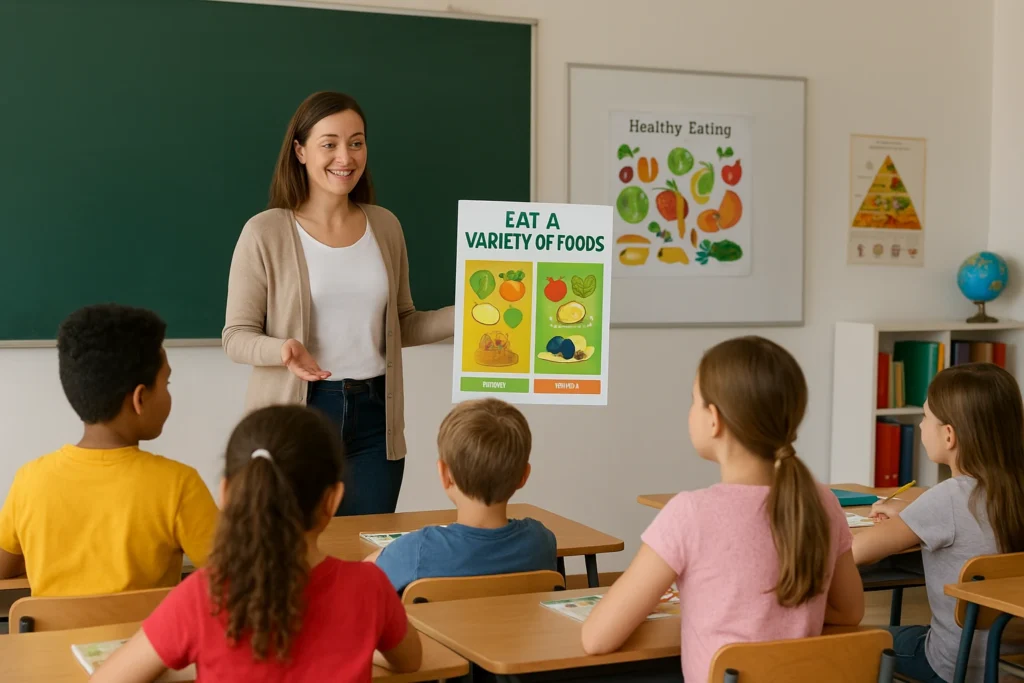

The Silent Tide: A Changing Portuguese Landscape
To understand the story of childhood obesity in Portugal, one must first step into the shoes of a Portuguese child living in the 21st century. Imagine Maria, an eight-year-old girl living in a modern Lisbon apartment block. Her day begins not with the crowing of a rooster, but with the gentle ping of a smartphone notification. After a hurried breakfast of a packaged pastry and a glass of sugary chocolate milk, her mother walks her to school, their hands clasped tightly, navigating the bustling morning traffic. A generation ago, Maria’s own mother might have run freely in her grandparents’ village square, her play unstructured and constant, her snacks plucked directly from a tree.
The afternoons tell an even starker story of change. Maria’s school day ends, and she is whisked away to a series of structured activities, often indoors. When she returns home, the world outside her window is less inviting for play than the village square of the past. The streets are dominated by cars, and safe, accessible green spaces are a luxury her urban neighborhood lacks. So, Maria’s world contracts to the size of a tablet screen. Her after-school snack is no longer a piece of fruit from a local loja (shop) but a brightly colored bag of salty snacks, marketed with her favorite cartoon characters. Dinner, once a sacrosanct family meal simmered for hours, is now sometimes a convenience food, heated quickly in a microwave between her parents’ long work commutes and her own homework.
This is not a story of neglect, but one of a profound and silent shift in the very fabric of daily life. The traditional Portuguese Mediterranean diet—a golden tapestry woven with fresh fish from the Atlantic, seasonal vegetables from the market, pulses, and the liquid gold of olive oil, all enjoyed slowly around a family table—has begun to fray at the edges. It has been subtly replaced by the globalized diet of processed foods, high in sugars, unhealthy fats, and salt, but low in the nutrients a growing body needs.
Concurrently, the natural, organic physical activity that was once woven into the day—walking to school, playing in the streets until dusk, helping with physical chores—has been engineered out of existence by urbanization, technology, and evolving safety concerns. This dual assault of changing nutrition and increasing sedentariness has unleashed a slow-moving public health crisis, one whose weight is measured not just on the scales, but in the future health of an entire generation. In response, Portugal is now mobilizing with the determination of a nation fighting for its children’s future, launching an unprecedented counteroffensive built on new school nutrition guidelines, sweeping physical activity initiatives, and a national call to families to reclaim their health heritage.
A Statistical Emergency: The Hard Data Behind the Headlines
The whispers of doctors and concerned parents have now been amplified into a deafening alarm by cold, hard data. The statistics, compiled by Portugal’s Directorate-General of Health (DGS) and international bodies like the World Health Organization (WHO), paint a portrait of a nation at a health crossroads.
The problem is not confined to childhood; it is a societal issue that begins early. Recent data reveals that a staggering over 30% of children in Portugal are carrying excess weight. Drilling down into the specifics, studies focusing on the critical age group of 6 to 8 years old found that approximately 31.9% of children are overweight, and within that group, a concerning 13.5% are living with obesity. To translate these percentages into a tangible reality, picture a typical Portuguese third-grade classroom. Of the twenty bright-eyed children sitting at their desks, statistically, six are carrying more weight than is healthy for their age and height. Of those six, two or three are classified as having obesity. This is not a abstract concept; it is the reality in classrooms from the Algarve to Porto.
The trajectory into adulthood is equally alarming. The data shows that over one-quarter (28.7%) of Portuguese adults are now living with obesity, while more than two-thirds (67.6%) of the adult population is classified as overweight. This creates a cyclical problem—children growing up in households where unhealthy habits are the norm are more likely to perpetuate those same patterns.
The consequences of these numbers are not merely aesthetic; they are profoundly physical and economic. Obesity has climbed to become the second-leading risk factor for the loss of healthy years of life in Portugal, surpassed only by tobacco use. This means it is a primary driver of chronic diseases, pain, and disability, robbing individuals of their vitality and placing an immense burden on the country’s National Health Service (SNS).
The economic burden is staggering. Obesity is estimated to consume a colossal 10% of Portugal’s total health expenditure. When viewed through a wider economic lens, the cost balloons to approximately 3% of the nation’s entire Gross Domestic Product (GDP). This represents billions of euros that could be invested in education, infrastructure, or other healthcare priorities, but are instead being spent to manage the consequences of a preventable condition. Health experts have issued a sobering warning, stating that these modifiable risk factors have contributed to a “slowdown or even reversal of health advances” that Portugal had worked so hard to achieve in recent decades, threatening to undermine the very progress of its public health system.
The Compass of Nutrition: Rediscovering Portugal’s Food Wheel
In the face of this complex, modern problem, Portugal’s solution is, in part, a return to a timeless and elegant guide: the Roda dos Alimentos, or Food Wheel. This is not a new, fad diet imported from abroad. It is a homegrown, scientifically-backed symbol of nutritional wisdom that has been a fixture in schools, doctor’s offices, and kitchens across the country since 1977.
The Food Wheel’s genius lies in its simplicity. It is a visual masterpiece, intuitively teaching portion control and dietary balance without the need for complex calorie counting. The wheel is divided into segments of different sizes, each representing a food group. The larger the segment, the more that group should contribute to your daily food intake. At the center of the current version, introduced in 2003, is a new, crucial element: Water, reminding all that hydration is the foundation of life.
Let’s take a detailed tour of the seven groups that make up this colorful and practical guide:
- Cereals and Cereal Products, Tubers (4 to 11 portions daily): This is the largest segment, emphasizing the importance of carbohydrates for energy. It includes bread, rice, pasta, potatoes, and breakfast cereals, with a strong recommendation to choose whole-grain options for their higher fiber and nutrient content.
- Vegetables (3 to 5 portions daily): Another very large segment, underscoring the critical role of vegetables. It encourages the consumption of a diverse “rainbow” of vegetables, with a special cultural note to include a bowl of soup, typically vegetable-based, at both lunch and dinner.
- Fruits (3 to 5 portions daily): This segment mirrors the vegetable portion, promoting fresh, seasonal fruit as the natural and preferred dessert. A piece of fruit is also positioned as the ideal snack between meals.
- Milk and Dairy Products (2 to 3 portions daily): This medium-sized group highlights the need for calcium and protein for bone and body health. It recommends milk, yogurt, and cheese, with a preference for lower-fat versions.
- Meat, Fish, Seafood and Eggs (1.5 to 4.5 portions daily): This is a smaller segment, advising moderation in the consumption of protein sources. It specifically recommends eating more fish than meat, reflecting Portugal’s rich maritime heritage.
- Legumes (1 to 2 portions daily): This group, featuring beans, chickpeas, lentils, and peas, is a nod to traditional, affordable, and sustainable nutrition. They are powerhouses of plant-based protein, fiber, and complex carbohydrates.
- Fats and Oils (1 to 3 portions daily): The smallest segment, but by no means the least important. It promotes the use of healthy fats, with Portugal’s own olive oil proudly taking center stage as the quintessential fat of the Mediterranean diet.
The wisdom of the wheel is encapsulated in its accompanying rules: “Eat more from the bigger segments and less from the smaller ones,” “Vary your food within each group daily, weekly, and seasonally,” and “Eat regularly and in the right amounts.” In 2016, this tool was further refined with the creation of the Mediterranean Diet Food Wheel, which added a crucial cultural and behavioral layer. It emphasizes not just what to eat, but how to eat: using aromatic herbs to reduce salt, respecting the seasonality of produce, cooking with water instead of fats, drinking water, and, perhaps most importantly, enjoying meals with family and friends in a relaxed and convivial atmosphere. The fight against obesity is, therefore, a campaign to bring this wheel off the wall and back onto the plates of every Portuguese family.
A Nation’s Blueprint for Health: The Comprehensive National Strategy
Recognizing that awareness alone is not enough, Portugal’s health authorities moved decisively from analysis to action. In March 2025, the DGS launched its most comprehensive weapon yet: the “Action Road map to Accelerate the Prevention and Control of Obesity in Portugal.”
This document is not a set of vague recommendations; it is a detailed, three-year national plan comprising 10 concrete measures designed to create a healthier environment from cradle to grave. It represents a whole-of-society approach, involving not just the health sector, but also education, sports, agriculture, and urban planning.
A cornerstone of the strategy is its intense focus on the first 1,000 days of life—the period from conception until a child’s second birthday. Science has unequivocally shown that this is a critical window of opportunity where nutrition and environment program a child’s metabolism, taste preferences, and health trajectory for life. Key initiatives born from this focus include:
- A national program to promote, protect, and support breastfeeding.
- The development of new digital tools for maternal and child nutrition counseling.
- Regulating the marketing of foods and beverages to infants and young children.
- Ensuring that kindergartens and preschools become zones of healthy food exposure.
The roadmap is bold and transparent, setting clear, measurable targets for the nation to achieve by 2030. These targets provide a yardstick for accountability and a beacon to guide all public and private efforts.
Table: Portugal’s Obesity Prevention Key Targets for 2030
| Target Area | Specific Goal | The Rationale and Impact |
|---|---|---|
| Fruit & Vegetable Consumption | Increase consumption of at least 400g daily in adults, children, and adolescents | This “5-a-day” goal ensures intake of essential vitamins, minerals, and fiber, which helps prevent disease and creates a feeling of fullness, naturally crowding out less healthy, energy-dense foods. |
| Processed Meat | Reduce consumption across the population | Processed meats like presunto, sausages, and cured meats are high in saturated fats, salt, and preservatives, and are linked to higher risks of colorectal cancer, heart disease, and hypertension. |
| Sugary Drinks | Reduce consumption in children and adolescents | These beverages are a primary source of “empty calories” and a major contributor to sugar intake, leading to rapid weight gain, dental caries, and an increased risk of type 2 diabetes. |
| Sodium Intake | Reduce intake by 30% | High salt intake is a major driver of high blood pressure (hypertension), which is a leading cause of strokes, heart attacks, and kidney failure in Portugal. |
| Childhood Obesity | Reduce prevalence of overweight and obesity by at least 5% | This is the ultimate, overarching goal—to bend the curve and reverse the epidemic, ensuring a healthier, more active, and less burdened generation of young adults. |
The School as a Living Laboratory: Transforming Education and Eating
In Portugal’s national strategy, the school has been designated as the primary battlefield. It is the institution that reaches nearly every child in the country, making it the most powerful vehicle for delivering consistent health messages and creating healthy daily habits.
A cornerstone of this effort is the EU School Scheme, through which Portugal distributes millions of portions of fruit, vegetables, milk, and dairy products to students each year. However, this program is ingeniously designed to be far more than a free snack. It is an integrated educational experience. The physical distribution of food is coupled with:
- Theoretical Lessons: Classroom activities that explain the nutritional benefits of the foods they are eating.
- Farm Visits: Organized trips to local farms, demystifying where food comes and connecting children to their agricultural heritage.
- School Gardens: Hands-on learning where children plant, nurture, and harvest their own vegetables, fostering a sense of pride and ownership over healthy food.
- Cooking Workshops: Practical sessions that teach basic cooking skills, empowering children to prepare simple, healthy dishes themselves.
The program is deliberate in its sourcing, prioritizing fresh, seasonal, and locally produced items to support local economies and reduce environmental impact. Crucially, it adheres to strict nutritional standards, generally excluding products with added sugars, salts, unhealthy fats, and artificial sweeteners. This ensures that the “healthy choice is the easy choice” within the school gates.
The transformation extends deep into the daily operation of school canteens. A quiet revolution is taking place on the lunch tray, guided by the Food Wheel:
- Soup is Non-Negotiable: A vegetable-based soup is served as a starter at both lunch and dinner in school canteens. This simple practice increases vegetable intake dramatically and helps create a feeling of fullness, preventing overeating of the main course.
- Water is the Default Drink: Sugary juices and sodas have been removed from school meals. Water is provided freely and promoted as the only beverage necessary for hydration.
- The “Healthy Canteen” Seal: Schools are encouraged and evaluated based on their compliance with national nutritional guidelines, creating a standard of excellence and accountability.
- Healthy Cooking Methods: School kitchens are shifting their techniques, favoring grilling, baking, and steaming over deep-frying, significantly reducing the fat content of meals.
Through these comprehensive measures, the school is being reimagined as a “living laboratory” for health, where children learn by doing, tasting, and experiencing, proving that healthy living can be both normal and enjoyable.
Rebuilding a Culture of Movement: The Physical Activity Prescription
Portugal’s strategy acknowledges that you cannot out-run a bad diet, but you also cannot achieve health without moving your body. The decline in spontaneous physical activity is identified as a crisis equal in magnitude to the shift in nutrition. The solution lies in rebuilding what has been lost and creating new opportunities for movement.
The national framework for this is the National Strategy for the Promotion of Physical Activity, Health and Well-being (ENPAF), a decade-long plan (2016-2025). Its mission is to systematically “reduce sedentarism and increase the level of physical activity” across the entire population. It operates on multiple fronts:
- Promotion and Awareness: Nationwide campaigns that use positive messaging to make physical activity appealing and socially desirable.
- Healthcare Integration: Training and encouraging doctors to “prescribe” physical activity as a fundamental part of treatment and prevention.
- Intersectoral Cooperation: Breaking down silos so that the health, education, sports, transport, and urban planning ministries work together to create active environments.
This high-level strategy is brought to life through a portfolio of innovative, on-the-ground programs:
- The National Sports for All Programme is designed to be inclusive and democratic. It breaks down financial, social, and psychological barriers to participation, offering a diverse menu of sporting activities for citizens of all ages, backgrounds, and ability levels, from grandparents to toddlers.
- The School Sport Programme is a fundamental pillar. It provides a rich array of extracurricular sports activities that are not solely focused on competition. The program aims to develop fundamental motor skills, promote lifelong health, and instill indispensable life values like teamwork, discipline, resilience, fair play, and tolerance.
- The High Performance Sport Unit in School (UAARE) is a pioneering project that tackles the unique challenge faced by talented young athletes. It creates a flexible school schedule that allows them to balance the intense demands of high-level sports training with their academic responsibilities. The results are a powerful testament to its success: participants have achieved a remarkable 93% academic success rate with a nearly nonexistent dropout rate, proving that athletic excellence and scholarly achievement can be mutually supportive.
The message is being woven into the fabric of community life: “Move More, Sit Less.” Municipalities are being encouraged to create “Safe Routes to School” for walking and cycling, to open up schoolyards for community play after hours, and to design public parks and plazas that invite active recreation. The goal is to make movement an organic, enjoyable, and unavoidable part of everyday Portuguese life once again.
The Invisible Wall: Confronting the Parental Perception Gap
One of the most delicate and surprising challenges in Portugal’s fight is not a lack of policy, but a profound disconnect in perception. A landmark study by the World Health Organization (WHO) uncovered a troubling phenomenon across Europe, and Portugal is no exception: nearly two-thirds of parents of children with overweight consistently underestimate their child’s weight status. In every country surveyed, a majority of these parents perceived their children as being a normal weight or even underweight.
This “perception gap” acts as an invisible but formidable wall, preventing many families from seeking help or making changes. If a parent does not see a problem, they are unlikely to modify family shopping habits, adjust portion sizes, limit screen time, or consult a healthcare professional for guidance. This gap is fueled by a complex mix of psychological, cultural, and social factors:
- The “New Normal” Effect: As childhood overweight and obesity become more common, they visually redefine what is considered “average” or “normal” in a community. A parent looking around a classroom or playground sees many children with a similar body type, making it harder to identify their own child as being outside the healthy range.
- Cultural and Emotional Associations: In many cultures, including Portugal’s, food is love. Providing abundant food, especially treats and rich dishes, is a deep-seated expression of parental care and affection. To suggest a child should eat less can feel, to a parent, like an accusation of not providing enough.
- Fear of Stigma and Eating Disorders: Parents may consciously or subconsciously avoid the topic of weight for fear of shaming their child or triggering body image issues or the development of an eating disorder. They may believe that ignoring the issue is the kinder approach.
- A Gradual Process: Weight gain in childhood is often gradual. The day-to-day changes are so small that they go unnoticed, like the proverbial frog in boiling water. It is often only in comparing yearly photos or when clothing sizes jump significantly that the change becomes starkly apparent.
Portugal’s approach to breaking down this wall is based on compassion, not confrontation. The strategy involves:
- Training pediatricians and family doctors to have empathetic, non-judgmental conversations about growth charts and healthy habits during routine check-ups.
- Developing school health reports that communicate a child’s Body Mass Index (BMI) percentile in a clear, sensitive, and informative way, coupled with resources for support.
- Public health campaigns that focus on the positive language of “health,” “energy,” “vitality,” and “well-being” rather than the negative and stigmatizing language of “obesity” and “weight.”
Counting the Cost: The Economic Burden of Inaction
Beyond the human toll of chronic disease and reduced quality of life, the childhood obesity epidemic places a crushing and measurable economic burden on Portuguese society. It is a drain on national resources that has tangible effects on every citizen.
The Directorate-General of Health has conducted detailed analyses, calculating that obesity costs the country approximately €207 per person, per year. When this figure is multiplied across the population, it represents a staggering 3% of Portugal’s entire Gross Domestic Product (GDP). To put this in perspective, this is funding that could be used to build new schools, improve hospital facilities, or invest in renewable energy projects, but is instead being consumed by the consequences of a preventable condition.
The costs are categorized in two ways:
- Direct Healthcare Costs: This is the most visible cost, encompassing everything from more frequent doctor and specialist visits, to a higher lifetime need for medications for conditions like type 2 diabetes, hypertension, and high cholesterol, to more complex and expensive medical procedures (e.g., joint replacements, bariatric surgery), and longer hospital stays.
- Indirect Costs to Society: These are the hidden costs that are equally damaging. They include lost productivity at work due to obesity-related illness (presenteeism), increased absenteeism from jobs, higher rates of early retirement on disability pensions, and even premature mortality, which robs the economy of productive years of life.
The most powerful economic argument, however, is not about the cost of inaction, but the return on investment for action. The DGS roadmap makes a compelling financial case, stating that every single euro invested in evidence-based prevention programs generates a return of up to six euros in future saved healthcare costs and improved economic productivity. Investing in a child’s health today—through school food programs, physical education, and public awareness—is one of the most fiscally responsible investments a society can make. It is an investment in a healthier, more productive, and economically vibrant future for Portugal.
The Long Road Ahead: Weaving a Healthier Future, One Child at a Time
The path Portugal has chosen is undeniably long and complex. Reversing a trend as deeply embedded as childhood obesity requires the patience of a marathon runner, the persistence of a scientist, and the unwavering cooperation of the entire society—from government ministers to parents, from teachers to food producers. There is no single magic bullet, no quick fix.
Setbacks will occur, and changing deep-rooted cultural and commercial patterns will take time. Yet, Portugal faces this challenge from a position of strength. It is armed with the evidence-based wisdom of the Food Wheel, a symbol that is already familiar and trusted. It is guided by strong, coordinated national policies that take a comprehensive, life-course approach. It has the full engagement of its educational system, which is being transformed into an engine of health promotion. And, perhaps most importantly, there is a growing public consciousness and a rising demand for healthier options and environments.
The initiatives now taking root in schools, whispering through public campaigns, and being discussed in family kitchens represent a seed of profound hope. Portugal’s journey is a powerful case study of a nation consciously deciding to change its narrative. It is a deliberate re-embrace of the nutritional wisdom and active lifestyle of its Mediterranean heritage, thoughtfully combined with a clear-eyed and scientific approach to the realities of the 21st century.
By teaching its children to value real, wholesome food, to find joy and community in movement, and to understand and respect their bodies, Portugal is doing more than just fighting obesity. It is building a stronger foundation for its future—a foundation of health, vitality, and well-being that will support the nation for generations to come.
A Call to Arms: How Every Portuguese Citizen Can Be a Part of the Solution
The responsibility for creating a healthier future does not rest solely with the government or health authorities. It is a collective endeavor, a true societal project where every single citizen has a vital role to play.
- For Families: The heart of the change lies in the home. Families can rediscover the joy and connection of cooking together, using fresh, local ingredients. They can make a conscious effort to eat at least one meal a day together, without the distraction of television or smartphones, turning dinner into a time for conversation and bonding. A simple weekend family walk by the sea, a bike ride along a river, or a game of football in a local park can become a cherished and health-promoting ritual.
- For Schools: Educators can continue to be champions of health, not only through their compliance with food guidelines but by creating dynamic, inclusive, and fun physical education classes that cater to children of all skill levels, ensuring no child feels left behind.
- For Healthcare Providers: Doctors, nurses, and nutritionists can continue to lead with compassion, offering early, practical, and non-judgmental guidance to families. They can be the trusted source of information that helps parents navigate the confusing world of nutrition and child development.
- For Local Governments and Communities: Municipalities can prioritize people over cars by creating more pedestrianized zones, safe cycling networks, and well-maintained public parks and playgrounds. They can support weekly farmers’ markets to increase access to fresh produce and host community health fairs and sports festivals.
- For Local Businesses: Employers can contribute by providing healthier options in their cafeterias, offering standing desks, promoting walking meetings, and establishing corporate wellness programs that support their employees’ health.
The story of Portugal’s fight against childhood obesity is a story still being written. Its final chapter—one of success—will be determined by the millions of small, daily choices made in homes, schools, and communities across the country. It is a story that proves the power of a united nation. When a country decides that its children’s health is a non-negotiable priority, everyone has a part to play, and everyone, without exception, stands to benefit. The goal—a Portugal where the sounds of healthy, playing children once again fill the streets and squares—is a future worth fighting for, together.


Your point of view caught my eye and was very interesting. Thanks. I have a question for you. https://www.binance.info/hu/register?ref=IQY5TET4
Thanks for sharing. I read many of your blog posts, cool, your blog is very good. https://www.binance.info/register?ref=MBLCVVZG
I don’t think the title of your article matches the content lol. Just kidding, mainly because I had some doubts after reading the article. https://www.binance.com/register?ref=IHJUI7TF
Your point of view caught my eye and was very interesting. Thanks. I have a question for you.